Google and Cathay Pacific Join Forces to Curb Aircraft Contrail Emissions
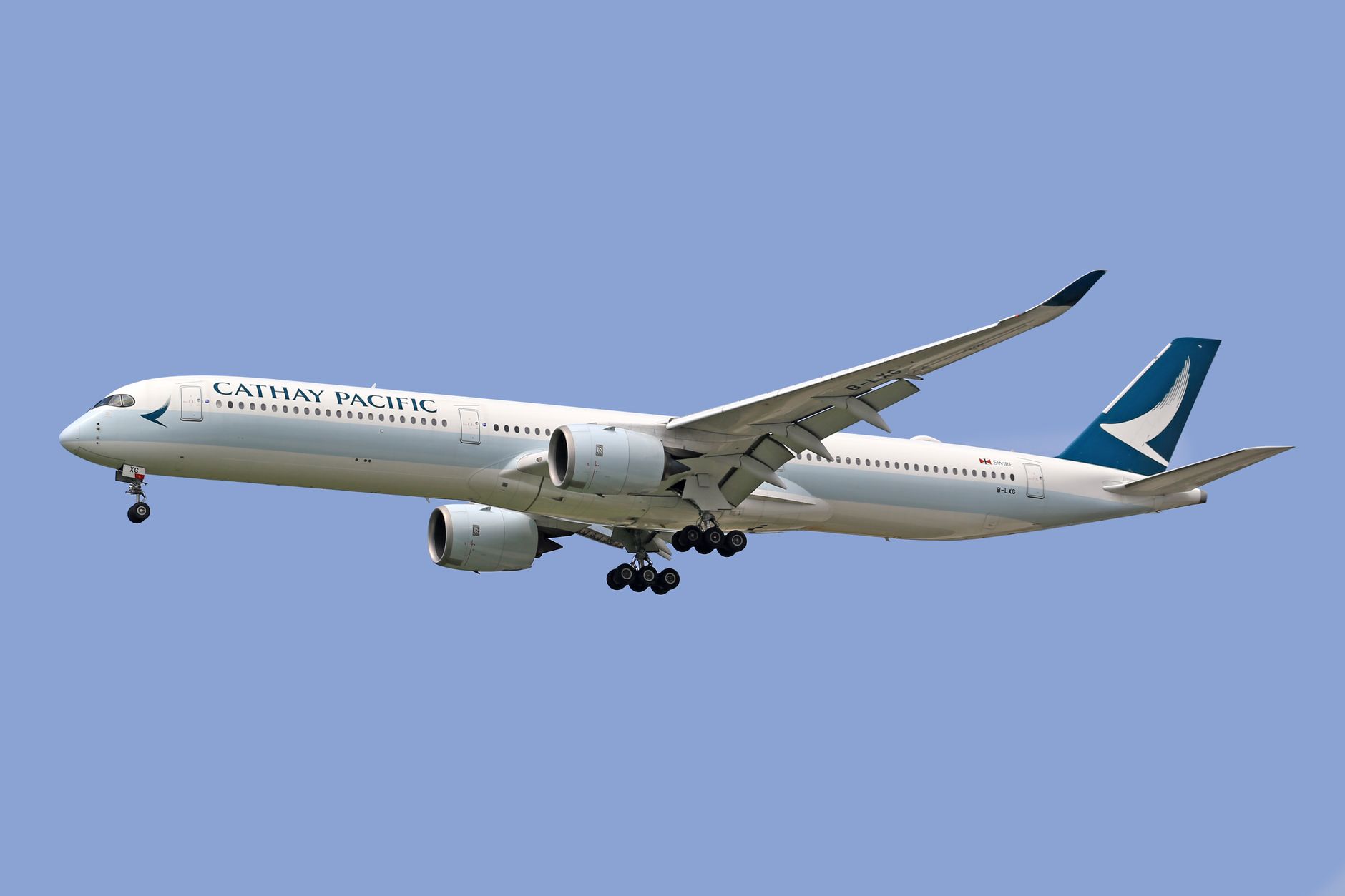
In an era where the climate crisis demands urgent action, Google and Cathay Pacific have embarked on an innovative partnership aimed at reducing the environmental footprint of air travel. The two giants are trialling an AI-powered system designed to steer aircraft away from forming contrails, those wispy trails of cloud that can exacerbate atmospheric warming.
Contrails, while seemingly innocuous, have been found to trap heat in the Earth's atmosphere, contributing to climate change. By employing artificial intelligence, Google and Cathay Pacific are attempting to mitigate this effect by making minor adjustments to flight altitudes, thereby avoiding conditions that lead to persistent contrails.
Initial trials, conducted over the Asia-Pacific region, have yielded promising results. The pilots involved in the tests were able to reduce the warming impact of contrails by an estimated 40%, a figure that has energised further expansion of the trials. For Cathay Pacific, this partnership represents a significant step in its sustainability journey, as it becomes the first airline in the Asia-Pacific to collaborate with Google on such technology.
A New Horizon for Aviation
The aviation industry, often scrutinised for its carbon emissions, is under increasing pressure to innovate. This partnership exemplifies how technology, particularly artificial intelligence, can be instrumental in addressing one of aviation's environmental challenges. By focusing on contrail avoidance, the initiative not only seeks to cut emissions but also provides valuable data that could inform broader sustainability strategies.
Google's AI leverages vast datasets and sophisticated algorithms to predict atmospheric conditions, enabling pilots to make real-time decisions about flight paths. Cathay Pacific, with its extensive network across the Asia-Pacific, offers a robust testbed for these technologies, which, if successful, could be adopted industry-wide.
Looking Forward
The success of this initiative could set a precedent for other airlines to integrate AI in their operations, potentially leading to a significant reduction in the aviation sector's climate impact. As the trials progress, the eyes of the world will be on Google and Cathay Pacific to deliver on their promise of a more sustainable future for air travel.