Google's Air-Cooling Strategy in Visakhapatnam: A Breath of Fresh Air
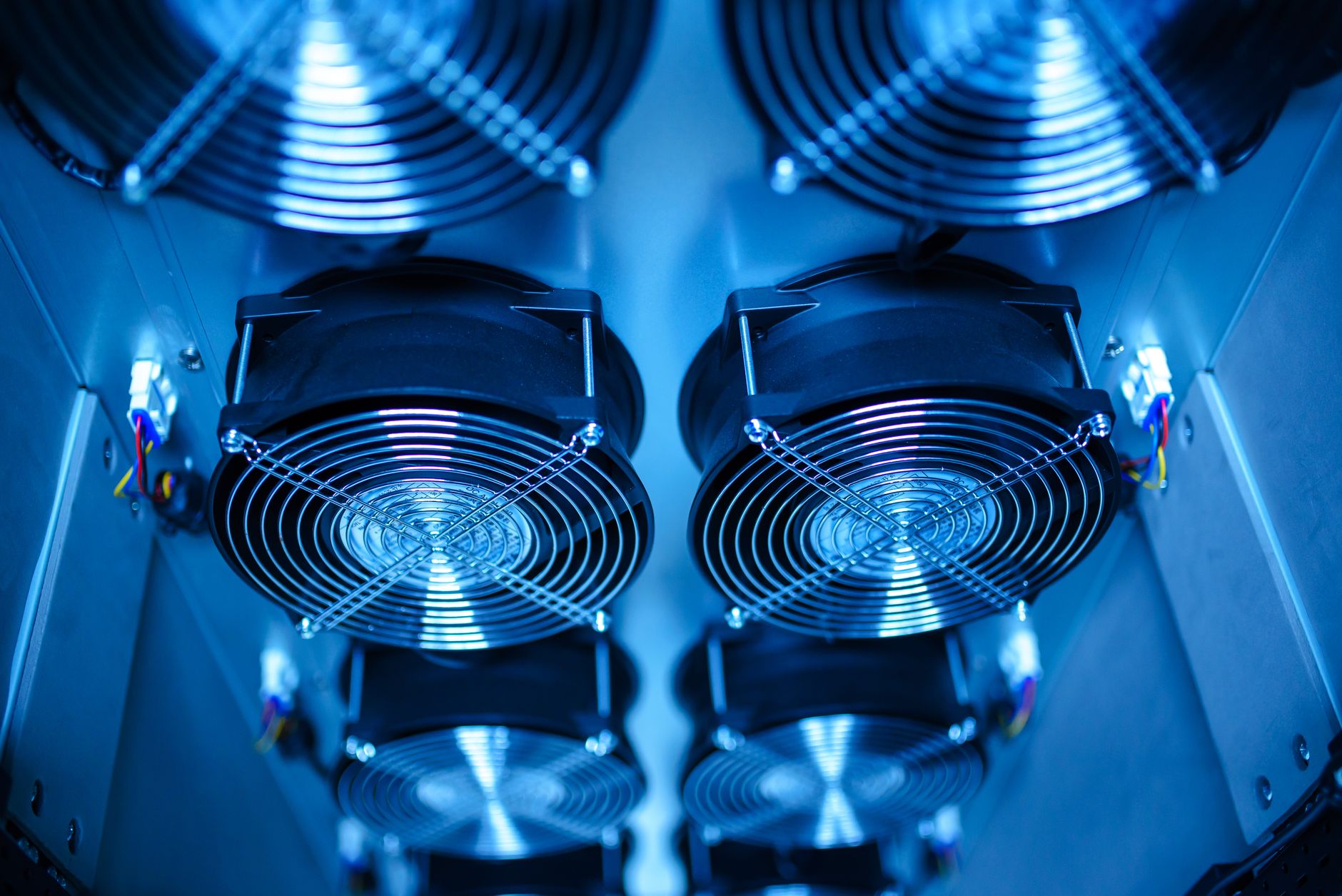
In an era where technological expansion often grapples with environmental concerns, Google's latest move in Visakhapatnam offers a refreshing compromise. By opting for air-cooling technology at its upcoming data centre, Google has not only addressed local anxieties about water consumption but also set a precedent for sustainable practices in the tech industry.
Visakhapatnam, a burgeoning hub for technological development, was recently abuzz with worries over the potential water demands of large-scale data centres. These concerns prompted MP M. Sribharat to assure the public that Google's air-cooling system would not strain the city's water resources. 'Google has, on record, confirmed that it will use air-cooling technology,' he stated, calming fears of water scarcity.
This decision aligns with a broader trend of tech giants adopting environmentally friendly measures. Air-cooling, while traditionally less common than water-cooling in data centres, offers a significant advantage in regions where water resources are precious. It reflects a conscientious approach towards resource management, ensuring that technological progress does not come at the expense of essential local resources.
Moreover, the government's involvement in safeguarding rural and residential water supply further underscores the importance of balancing development with sustainability. Google's commitment to employing advanced cooling technology is not just a technical decision but a strategic one, reflecting the company’s awareness of its environmental footprint.
The initiative has been welcomed by environmentalists and local residents alike, who see it as a step in the right direction. It highlights the growing recognition that technological advancements must coincide with ecological stewardship. As Visakhapatnam positions itself as a centre for digital innovation, Google's approach could well serve as a model for future developments across India and beyond.