Government Exempts AI Data Centres from Environmental Clearance
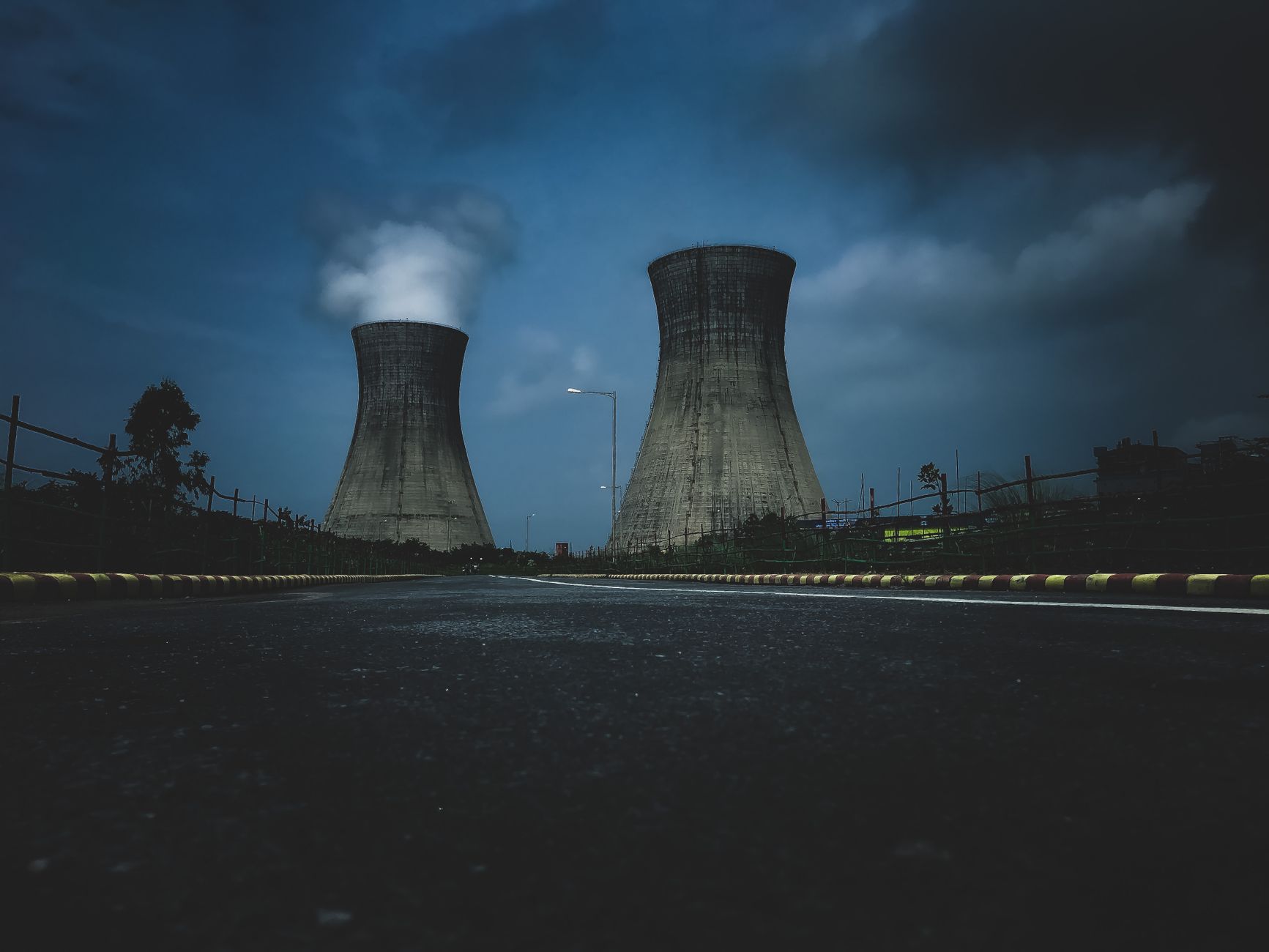
The Indian government, in a move likely to raise eyebrows among environmentalists, has informed Parliament that artificial intelligence (AI) data centres will no longer require environmental clearance. This decision arrives amid growing awareness of the substantial resources these centres consume.
AI data centres, the backbone of modern digital infrastructure, are known for their prodigious appetite for electricity and water. A medium-sized facility reportedly guzzles over 11 lakh litres of water daily, raising questions about sustainability, particularly in water-stressed regions. Yet, the Ministry of Environment, Forests and Climate Change has opted to exclude these centres from mandatory environmental assessments.
Unpacking the Decision
The government's stance is rooted in the notion that the benefits of AI and its associated data centres outweigh the potential environmental costs. However, critics argue that this perspective overlooks the long-term ecological implications. The Ministry's exemption seemingly disregards the pressing need for water stress mapping and thermal impact assessments, vital tools in understanding and mitigating environmental risks.
Currently, none of the 15 state data centre policies mandate such evaluations, a gap that environmentalists argue must be addressed. The absence of these checks is concerning, especially as a Morgan Stanley report suggests that global water demand from AI data centres will skyrocket elevenfold by 2028.
Broader Implications
The decision not to impose environmental clearance on AI data centres is emblematic of the broader tension between technological advancement and ecological preservation. While the digital economy continues to surge, the environmental cost of maintaining its infrastructure remains inadequately addressed.
As data centres proliferate, so too does their impact on local resources. An interactive map of over 5,000 US data centres already highlights the strain on water and power supplies. India's exemption could exacerbate similar pressures domestically.
In conclusion, while AI data centres are indispensable for supporting the digital age, the lack of environmental oversight could prove costly. Balancing technological progress with ecological responsibility remains a delicate yet crucial endeavour.