Government Rallies Youth to Combat Tuberculosis Through Community Efforts
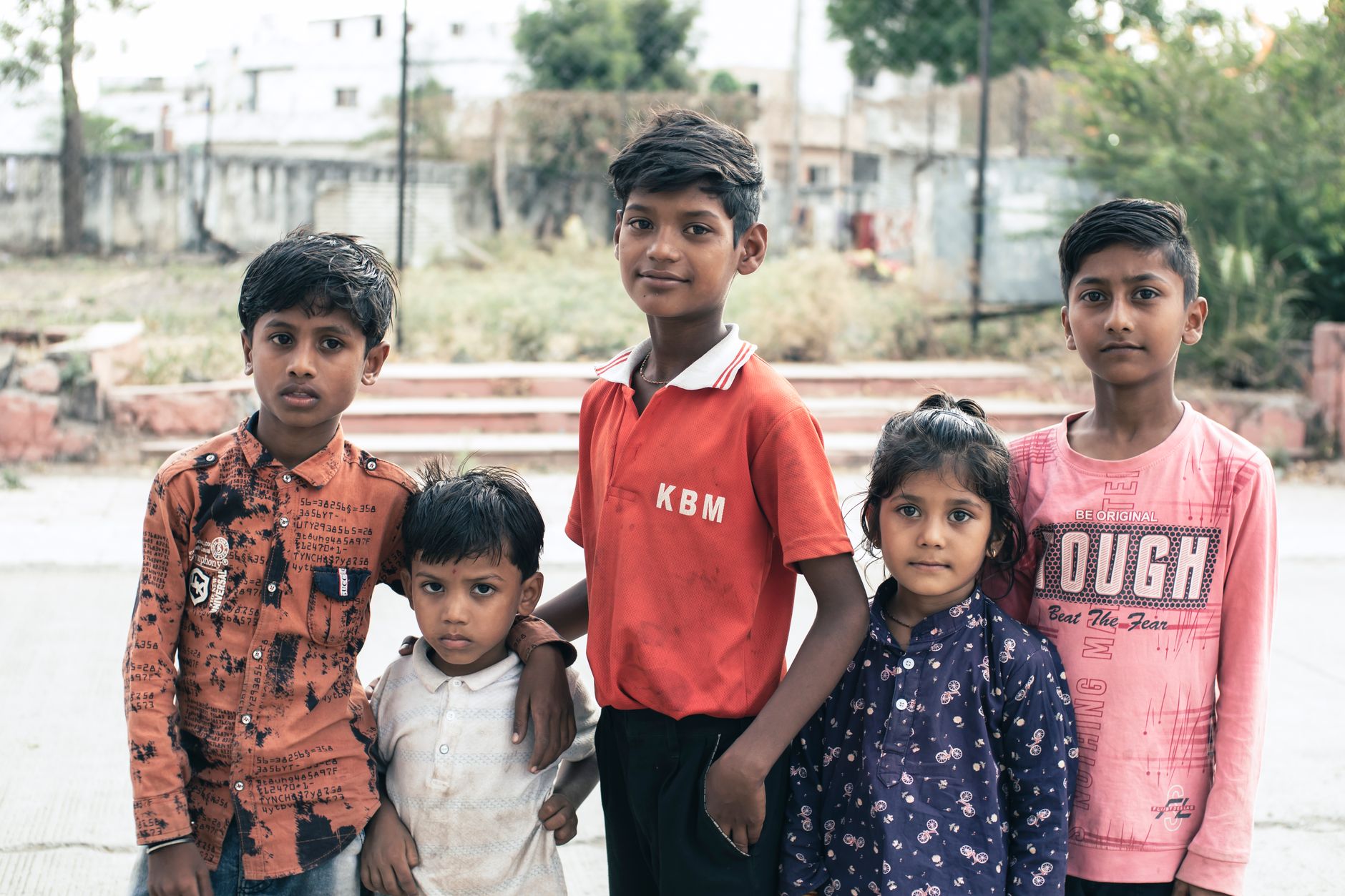
In a decisive push against tuberculosis, the government is enlisting the country's youth to spearhead community mobilisation efforts. Union Health Minister JP Nadda has laid out an ambitious plan to harness the vigour and enthusiasm of young volunteers to transform the TB Mukt Bharat Abhiyaan into a dynamic people's movement. The strategy focuses on the expansion of volunteer-led screening camps and the bolstering of the Experiential Learning Programme, which trains volunteers as Lead Ni-kshay Mitras, pivotal figures in the fight against TB.
At a recent press briefing, Minister Nadda articulated the government's vision: 'Our youth possess the energy and potential to drive change. By involving them in the TB elimination programme, we are not only empowering them but also creating a robust network of informed citizens who can spread awareness and facilitate early diagnosis.'
The plan includes intensifying awareness campaigns in educational institutions and communities, encouraging a dialogue that demystifies the myths surrounding tuberculosis. It aims to foster an environment where early diagnosis and treatment are not just encouraged but are seen as a communal responsibility. The inclusion of schools and colleges is particularly strategic, given their role as centres of learning and influence.
Enhancing the Experiential Learning Programme is another cornerstone of this initiative. By training volunteers as Lead Ni-kshay Mitras, the programme ensures that those at the grassroots level are well-equipped to handle the complexities of tuberculosis management. These volunteers will play a critical role in identifying potential cases and guiding patients through the healthcare system.
The move comes at a time when tuberculosis, albeit a curable disease, remains a significant public health challenge in India. High prevalence rates and social stigma are barriers that the government aims to dismantle through this comprehensive approach. The involvement of youth is not just a logistical decision but a strategic one; it taps into a demographic that is both influential and receptive to change.
This initiative signals a shift towards a more inclusive and participatory model of public health intervention, one that recognises the power of community and the potential of its youngest members to lead the charge against one of the nation's oldest scourges.