Governments Lag as AI Evolution Outpaces Regulation
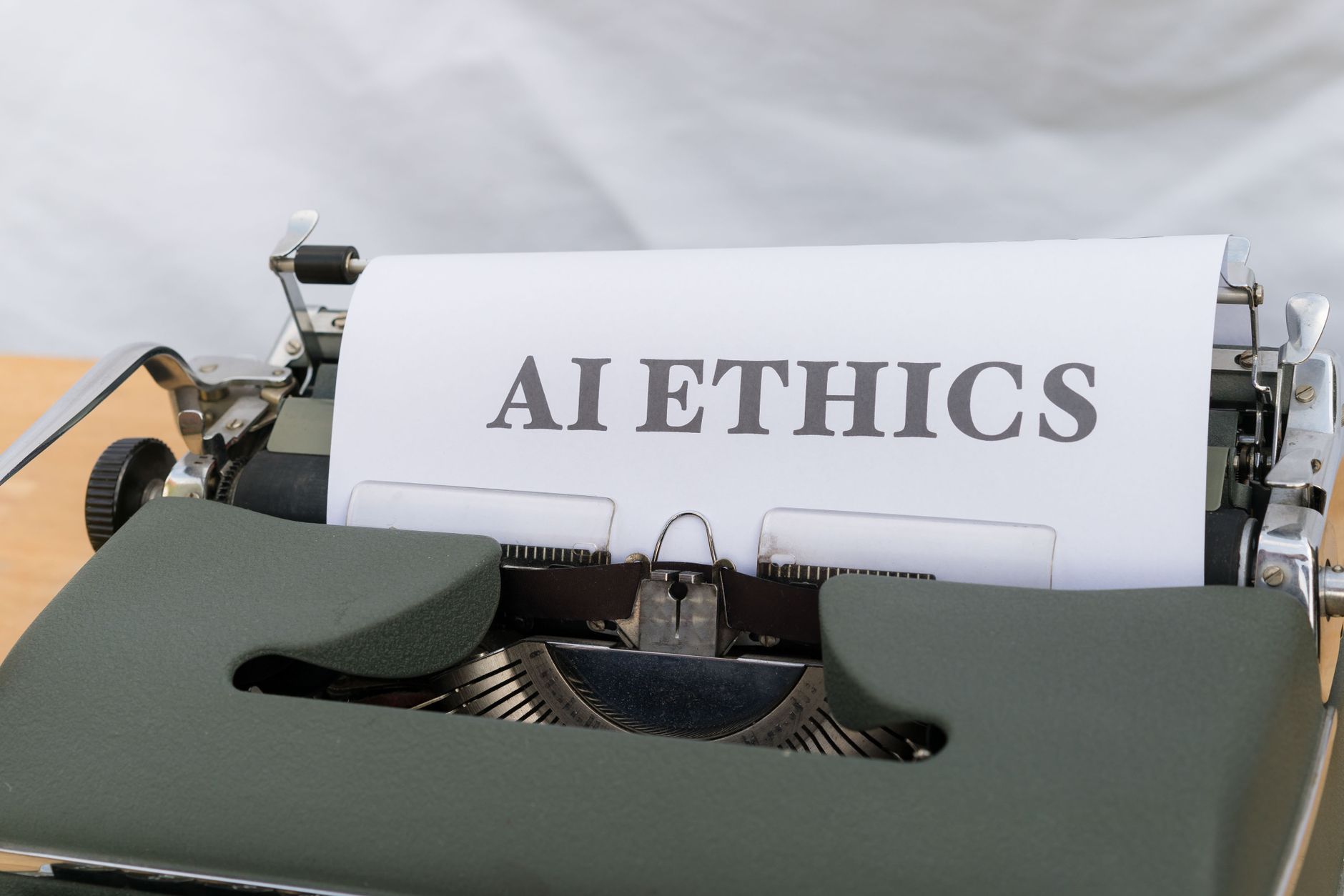
In a world that seems to be perpetually accelerating, artificial intelligence stands out as a technology that is consistently outpacing the mechanisms designed to govern it. As innovations in AI continue at a breakneck speed, governments worldwide find themselves in a precarious position, struggling to draft laws that can effectively regulate these advancements.
Just last week, tech luminary Bill Gates highlighted how integral AI companions could become in our daily lives. His remarks underscore a broader concern: the pace of AI development far exceeds the pace at which regulatory frameworks are established. Whether it’s the European Union’s AI Act facing delays or the United States' legislative efforts stalling, a clear policy vacuum is becoming increasingly evident.
The Regulation Conundrum
While the private sector races ahead, lawmakers are caught in a bind. On one hand, there's a need to harness AI's potential economic and social benefits; on the other, there's the risk that comes with unchecked technological advancement. The challenge is not merely one of regulation but of understanding—a legislative lag exists partly because the technology is so complex and rapidly evolving that it outstrips the ability of many policymakers to grasp it fully.
Yet, the consequence of inaction could be grave. Without appropriate safeguards, AI could exacerbate existing inequalities, infringe upon privacy rights, or even lead to unintended biases in decision-making processes. The stakes are high, and the pressure mounts for governments to bridge this growing chasm.
Bridging the Gap
Efforts are underway, albeit slowly. International cooperation might provide a pathway to more comprehensive regulatory frameworks. Collaborative initiatives, perhaps under the aegis of bodies like the United Nations, could offer a starting point for synchronising global efforts. However, the dilemma remains: how to regulate effectively without stifling innovation.
Ultimately, the solution may lie in more agile and adaptive policy-making processes—ones that can swiftly respond to technological developments. Until then, the world watches as AI continues its relentless march forward, leaving governments in its digital dust.