Graphene Bends Reveal Unusual Quantum Effects
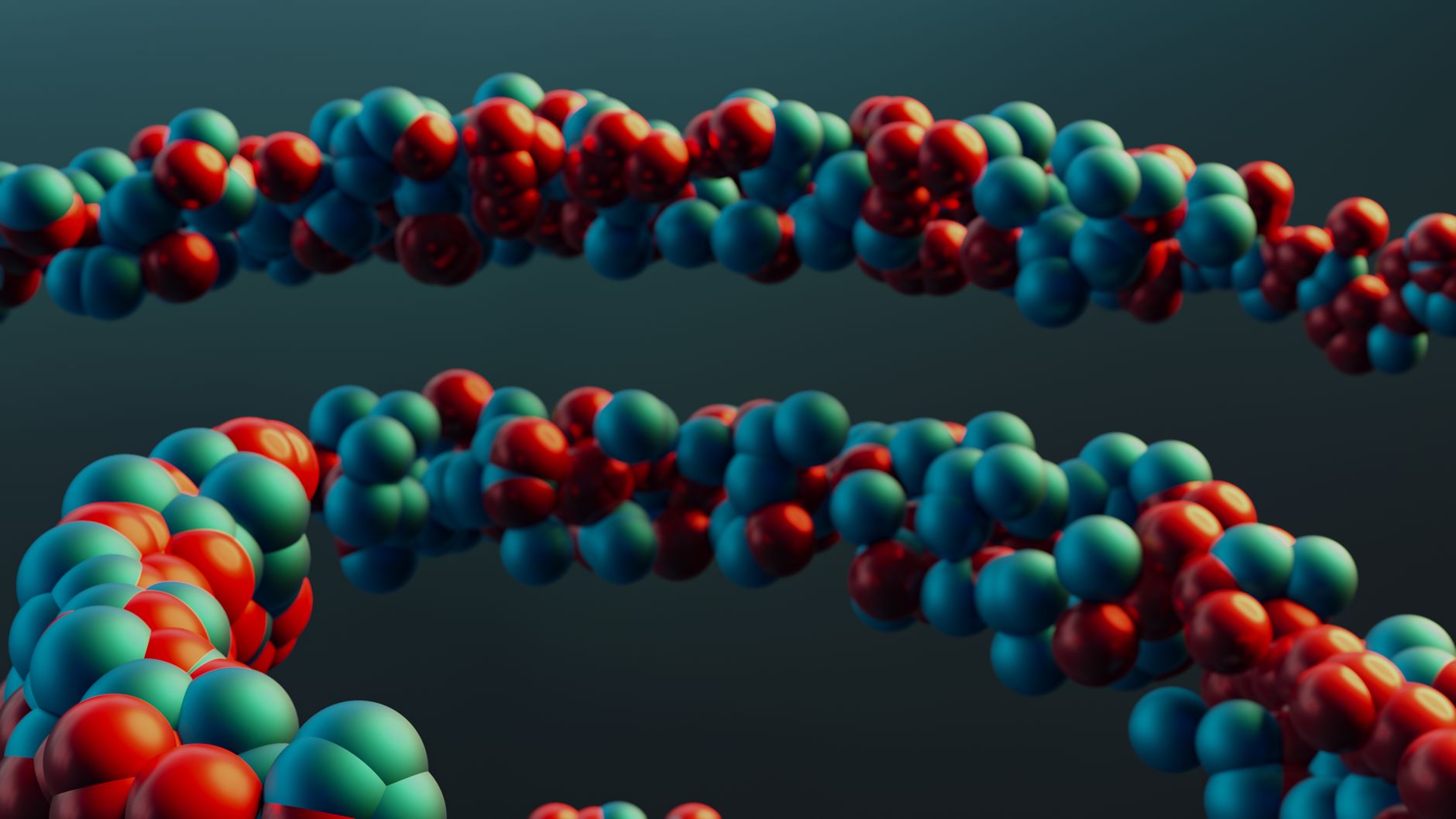
In the world of atomic science, few materials have captured the imagination like graphene. This single layer of carbon atoms, arranged in a hexagonal lattice, is renowned for its strength, flexibility, and conductivity. Yet, recent experiments have unveiled a surprising new chapter in its story.
Researchers have pushed graphene to its limits, bending it nearly as sharply as the atomic structure allows. This extreme deformation has revealed a peculiar quantum phenomenon: the generation of electrical charge purely from the material's shape, a concept known as flexoelectricity. This isn't just a theoretical curiosity; it offers profound insights into the nature of two-dimensional materials.
The Quantum Leap
The research, spearheaded by a team of physicists, builds on theories proposed over a decade ago. The idea that bending graphene could produce electrical polarisation was first suggested in 2008, yet had remained largely speculative until now. By examining graphene under varying degrees of curvature, scientists observed transitions from rigid to flexible states, showcasing how its behaviour shifts from that of a plate to a more fluid sheet.
Professor Elif Ertekin, a leading figure in the study, explained, "Because we studied graphene bent by different amounts, we were able to see the transition from one regime to another, from rigid to flexible and from plate to sheet behaviour." This breakthrough highlights the intricate dance of atoms and electrons, challenging our textbook notions of atomic structure.
Why Does It Matter?
The implications of this discovery extend beyond mere academic interest. Understanding flexoelectric effects in graphene could revolutionise the design of nanoscale devices, potentially leading to advances in electronics and materials science. As researchers delve deeper into the moiré patterns that emerge when graphene layers are rotated and stacked, the potential for new technologies grows ever more tangible.
The findings also underscore a broader truth in science: that our understanding of the atomic world is far from complete. What we once thought of as stable and predictable can, under the right conditions, become a playground of quantum unpredictability.
This discovery not only enriches our knowledge of graphene but also opens doors to unexplored realms of quantum physics. As researchers continue to probe the limits of this remarkable material, who knows what other strange and wondrous phenomena might be uncovered?