Green Giants: Cities Leading the Environmental Charge
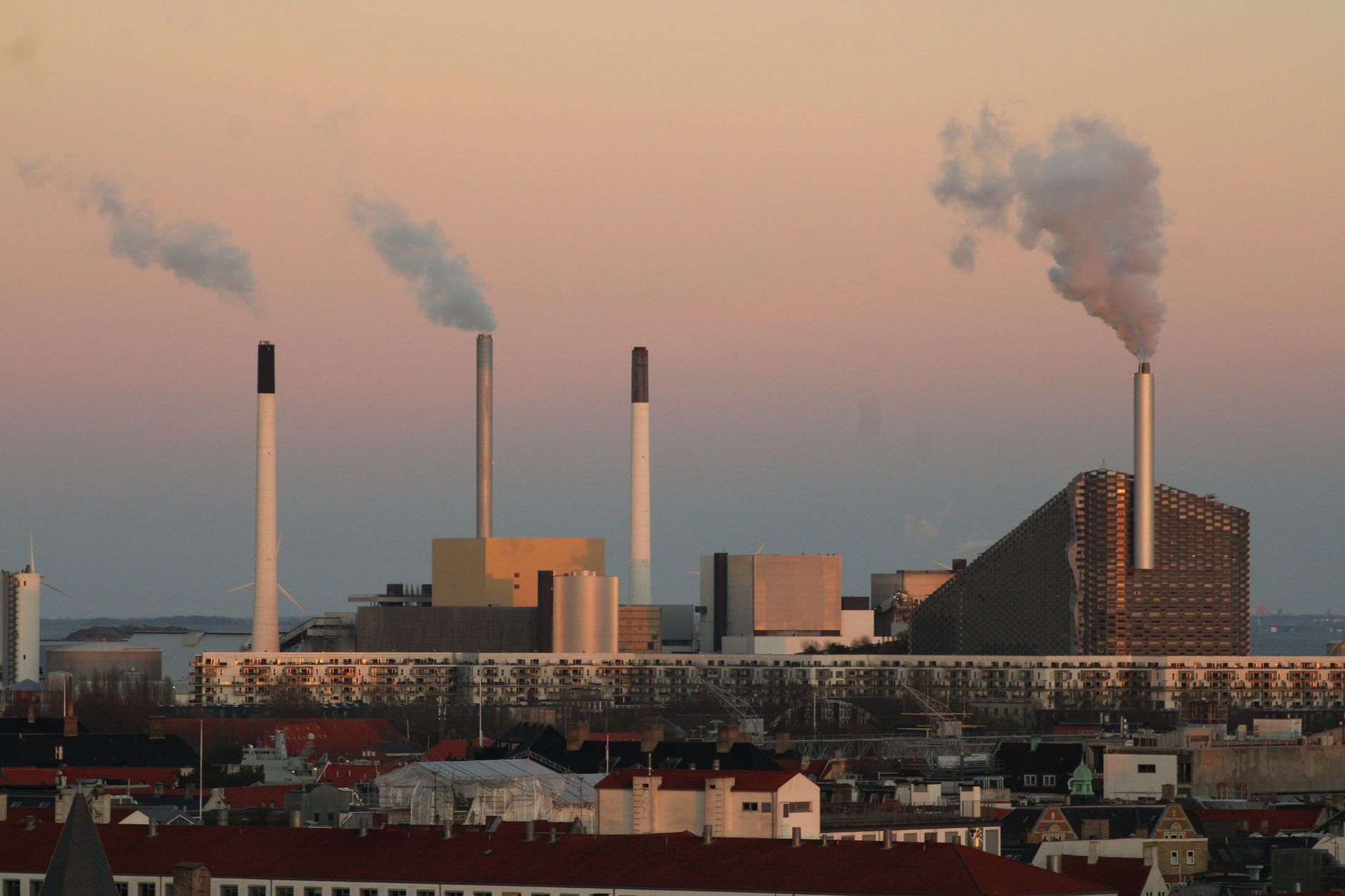
In the race to become the world's greenest city, Copenhagen, Stockholm, and Reykjavik have set the bar extraordinarily high. Each city has embraced unique strategies to combat climate change and promote sustainable living, as revealed by the latest Oxford Economics Global Cities Index 2026.
Copenhagen, often hailed as Europe's most eco-friendly city, has capitalised on wind power and an extensive cycling network. More than half of its waste is recycled, and citizens are encouraged to pedal rather than drive. Meanwhile, Stockholm boasts an impressive 68% of its populace commuting by foot or bicycle, supported by energy-efficient building standards that significantly reduce energy consumption.
Reykjavik's Renewable Revolution
Reykjavik stands out with its reliance on geothermal and hydropower, making it a rare example of urban sustainability powered almost entirely by renewables. The city’s unique geographical features allow it to provide residents with pure spring water and hydrogen-powered public transport, setting a benchmark for clean energy utilisation.
However, the picture is starkly different in other parts of the world. Cities across Mexico and Serbia face significant challenges with air pollution, with Lahore currently registering the highest Air Quality Index (AQI) at 173.
The Global Urban Divide
While some cities forge ahead with sustainable innovations, others lag behind, grappling with the adverse effects of industrialisation and urban sprawl. This disparity underscores the urgent need for a concerted global effort to address environmental issues.
As urban populations swell, the importance of sustainable city planning becomes increasingly critical. The success stories of Copenhagen, Stockholm, and Reykjavik offer valuable lessons, but the global community must work together to ensure that all cities can breathe cleaner air and enjoy healthier environments.