Greenland's Debate: The Fate of the Ancient Sharks
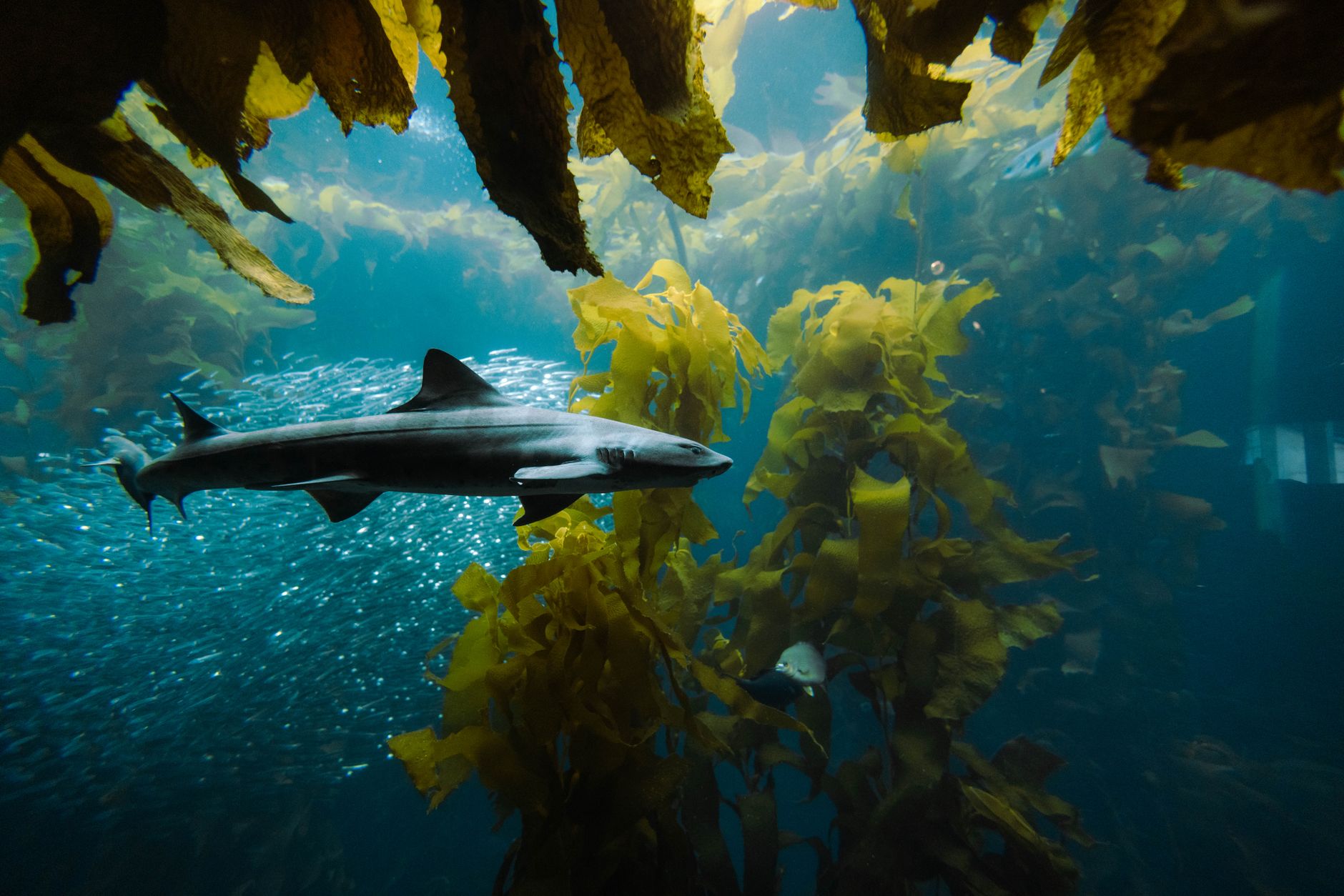
In the icy waters surrounding Greenland, a debate as old as time itself is unfolding. The issue at hand is whether to implement a cull of the world's slowest yet longest-living sharks, a decision fraught with ecological and ethical implications.
Greenland sharks, which glide through the depths at a leisurely pace, are remarkable creatures. They are among the oldest living vertebrates, with some individuals estimated to be over 400 years old. Yet, their life cycle is slow; these sharks reach reproductive maturity only after 150 years. Such longevity and late maturity make their populations especially vulnerable to human interference.
Proponents of the cull argue it is a necessary measure to ensure the safety of local fish stocks and to prevent these ancient predators from affecting other marine life. However, conservationists warn that the consequences of such a decision could be catastrophic. "We are talking about a keystone species," says marine biologist Dr. Ingrid Petersen. "Their removal could disrupt the entire ecosystem balance, leading to unforeseen consequences."
The Ethical Quandary
The ethical dimension of the debate cannot be ignored. Is it justifiable to eliminate a species that has been part of the marine ecosystem for centuries? Some draw parallels with the controversial shark culling practices in Australia, which have faced significant backlash from environmentalists and scientists alike. These practices have been criticised for their 'eye for an eye' mentality, which does little to address the root causes of human-shark conflict.
In Greenland, the government faces a difficult choice. Should they prioritise short-term fishery gains over long-term ecological stability? Or could they explore alternative methods, such as enhanced monitoring and public education, to coexist peacefully with these ancient giants?
Looking Forward
As the debate rages on, what remains clear is the need for a solution that balances human interests with the preservation of the natural world. The decision taken by Greenland could set a precedent for how humans interact with long-lived species worldwide. It is a test case for conservationists and policymakers alike, highlighting the delicate interplay between nature and human intervention.
The world watches as Greenland navigates these murky waters, hoping that wisdom and foresight will prevail over immediate expediency.