Guernsey's Battle with Overgrown Roadsides: A Request for Funds
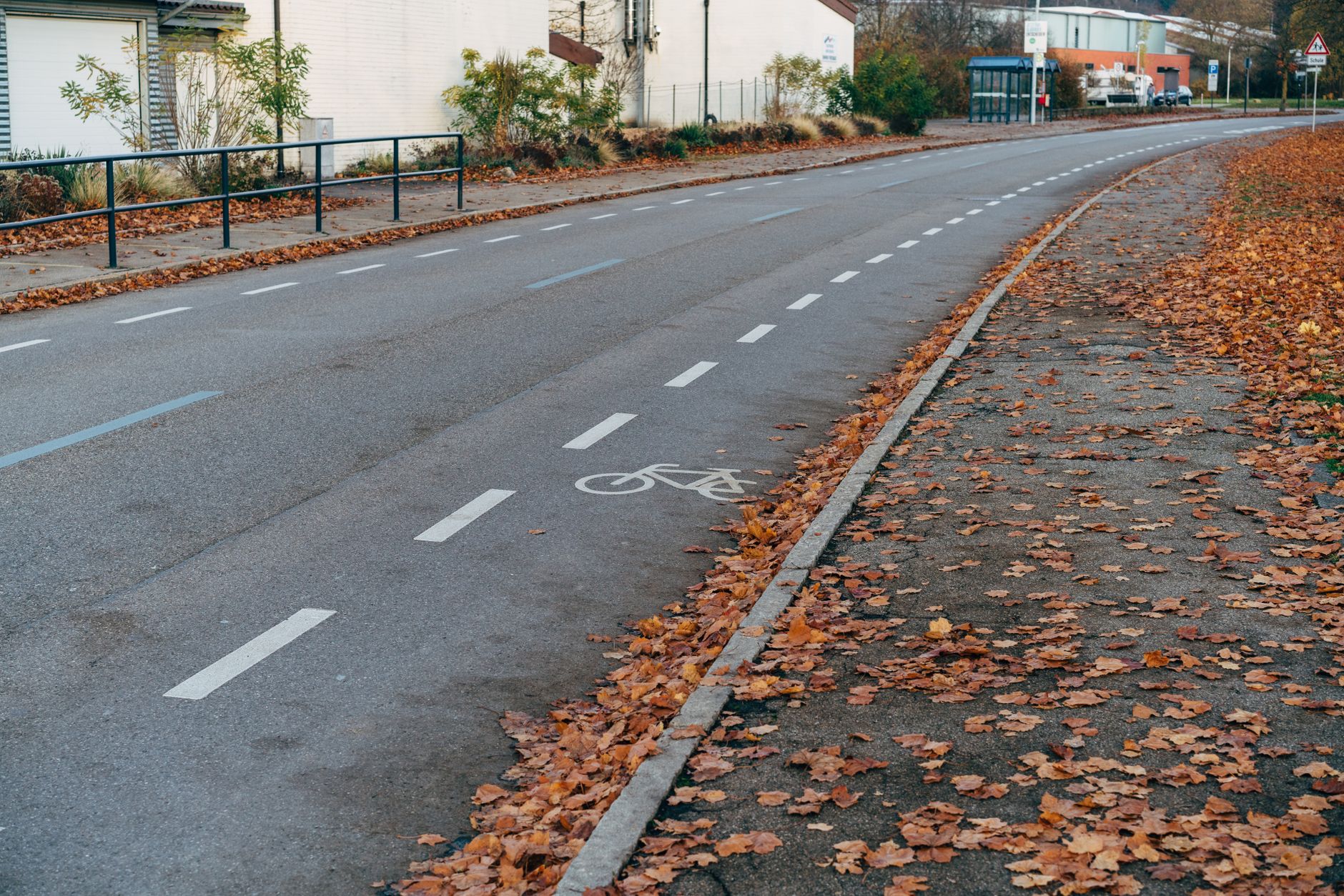
In the picturesque island of Guernsey, a peculiar problem has been growing – quite literally – for over six years. Weeds, once harmless in their sporadic appearances, have now become a persistent nuisance along the island's roads. This unchecked vegetation growth has prompted the Environment and Infrastructure (E&I) department to request additional funds to tackle the issue head-on.
Residents have grown increasingly frustrated as the weeds not only mar the scenic beauty of the island but also pose potential hazards for motorists. Overgrown plants can obscure road signs and impede visibility, making driving conditions perilous. The situation is further complicated by environmental concerns regarding the use of chemical weed killers, which could adversely affect the island's ecosystem.
Previously, attempts to control the growth with chemicals were halted due to health and environmental risks. Now, the E&I is keen to find a more sustainable solution, one that balances safety with ecological responsibility. This plea for financial support coincides with Guernsey's broader tax reform discussions, which include proposals for a new annual road tax to accompany a reduction in fuel duties.
Seeking Sustainable Solutions
The challenge of managing weeds might seem trivial at first glance, yet it underscores a larger narrative of how small regions balance their environmental responsibilities with public safety. Guernsey’s officials are aware that any solution must not only be effective but also sustainable, avoiding the pitfalls of harmful chemical usage that could jeopardise the island's natural charm.
As Guernsey explores these options, the E&I department aims to engage with local communities and environmental experts to devise a strategy that respects both the island's natural environment and the safety needs of its residents. The road tax proposal, while still in its infancy, could potentially provide the necessary funds to maintain the roads better and manage the weeds effectively.
Guernsey's approach to this issue could serve as a model for other regions grappling with similar challenges, where the intersection of environmental stewardship and public safety requires thoughtful and innovative solutions.