
Gut Compounds: Nature's Remedy for Intestinal Health
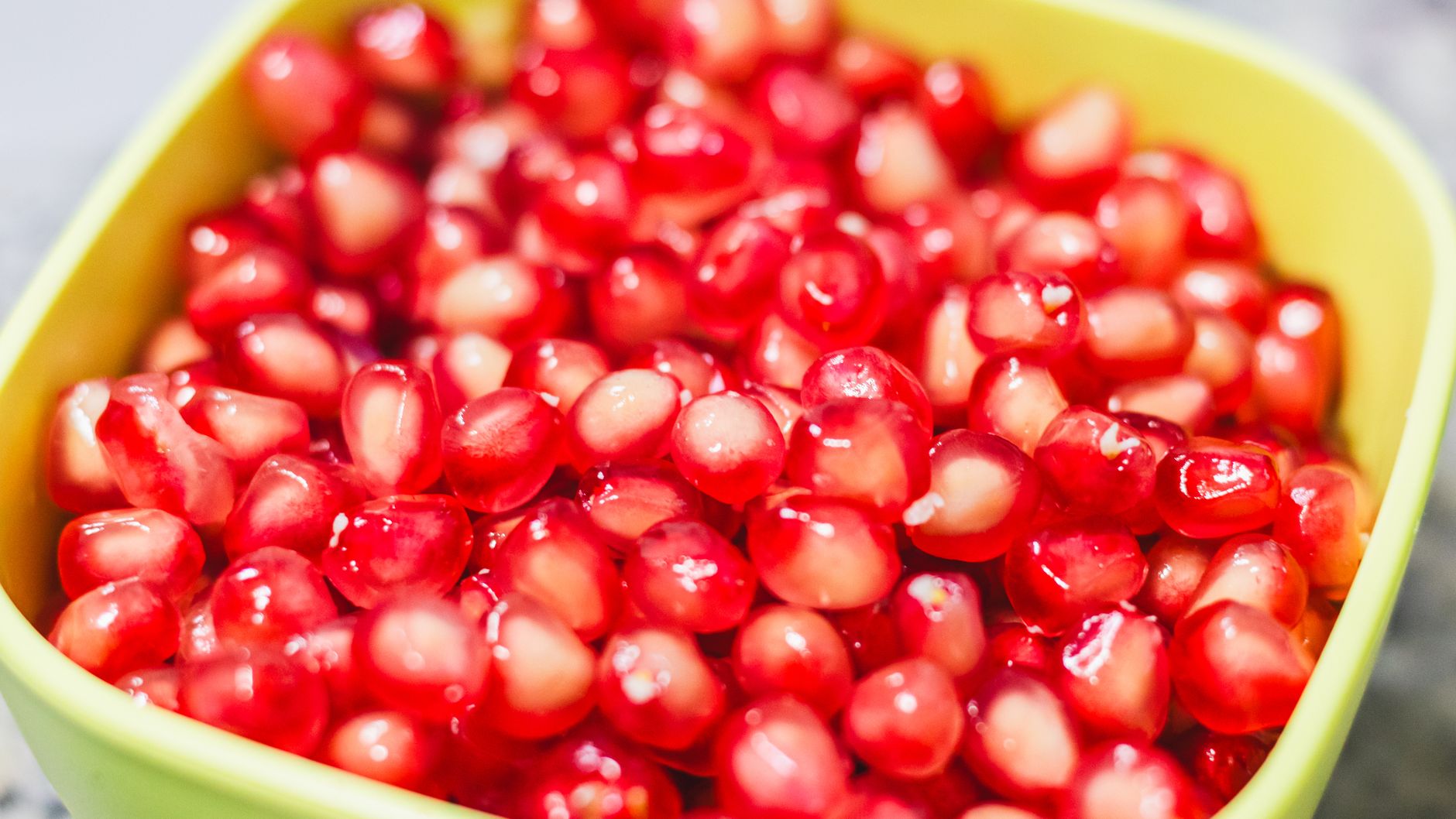
In a twist more suited to a culinary tale than a scientific study, researchers have discovered that certain compounds produced by gut bacteria could play a pivotal role in healing the intestine. This revelation, emerging from the digestion of foods such as pomegranates, walnuts, and berries, might just be the silver lining for those suffering from inflammatory bowel diseases (IBD).
The study, conducted by a team of scientists, highlights how these compounds bolster the intestinal lining, a crucial barrier that, when compromised, can lead to severe medical conditions. The compounds in question are the result of the metabolic activities of gut bacteria—organisms often underestimated for their health potential.
A Natural Defence Mechanism
For those plagued by IBD, the prospect of a dietary approach to healing is particularly enticing. Current treatments often involve potent medications that can cause undesirable side effects. The natural compounds identified in the study, however, offer a less invasive alternative. By strengthening the intestinal barrier, they might prevent the overgrowth of harmful bacteria, a common complication exacerbated by intestinal bleeding.
Intestinal bleeding introduces excess iron into the gut, fuelling bacterial proliferation. The potential to mitigate this through diet could revolutionise management strategies for IBD.
The Role of Diet and Biology
The implications extend beyond those with chronic conditions. For the general populace, understanding the relationship between diet and gut health could encourage dietary choices that naturally enhance intestinal resilience. Foods rich in the mentioned compounds might soon be staples for those conscious of gut health.
While the study opens doors to new treatments, it also underscores the importance of further research. The complexity of gut microbiota and its interaction with our health is only just beginning to be understood.
As we continue to unravel the mysteries of our gut, this discovery serves as a reminder of the intricate symbiosis between diet, bacteria, and human health—a partnership that might hold the key to future therapeutic breakthroughs.


