Gyanesh Kumar Faces Mounting Pressure Amidst Political Turmoil
Amidst the cacophony of political unrest, Gyanesh Kumar, India's Chief Election Commissioner, stands at the heart of an escalating storm. As opposition voices grow louder, the INDIA bloc intensifies its demand for his resignation, alleging a breach in the integrity of the electoral process.
The controversy erupted over the Special Intensive Revision (SIR) process, which has been criticised for lacking transparency. Allegations suggest an internal rift within the Election Commission, with Kumar's role under intense scrutiny. His detractors argue that such lapses undermine the democratic fabric of the nation.
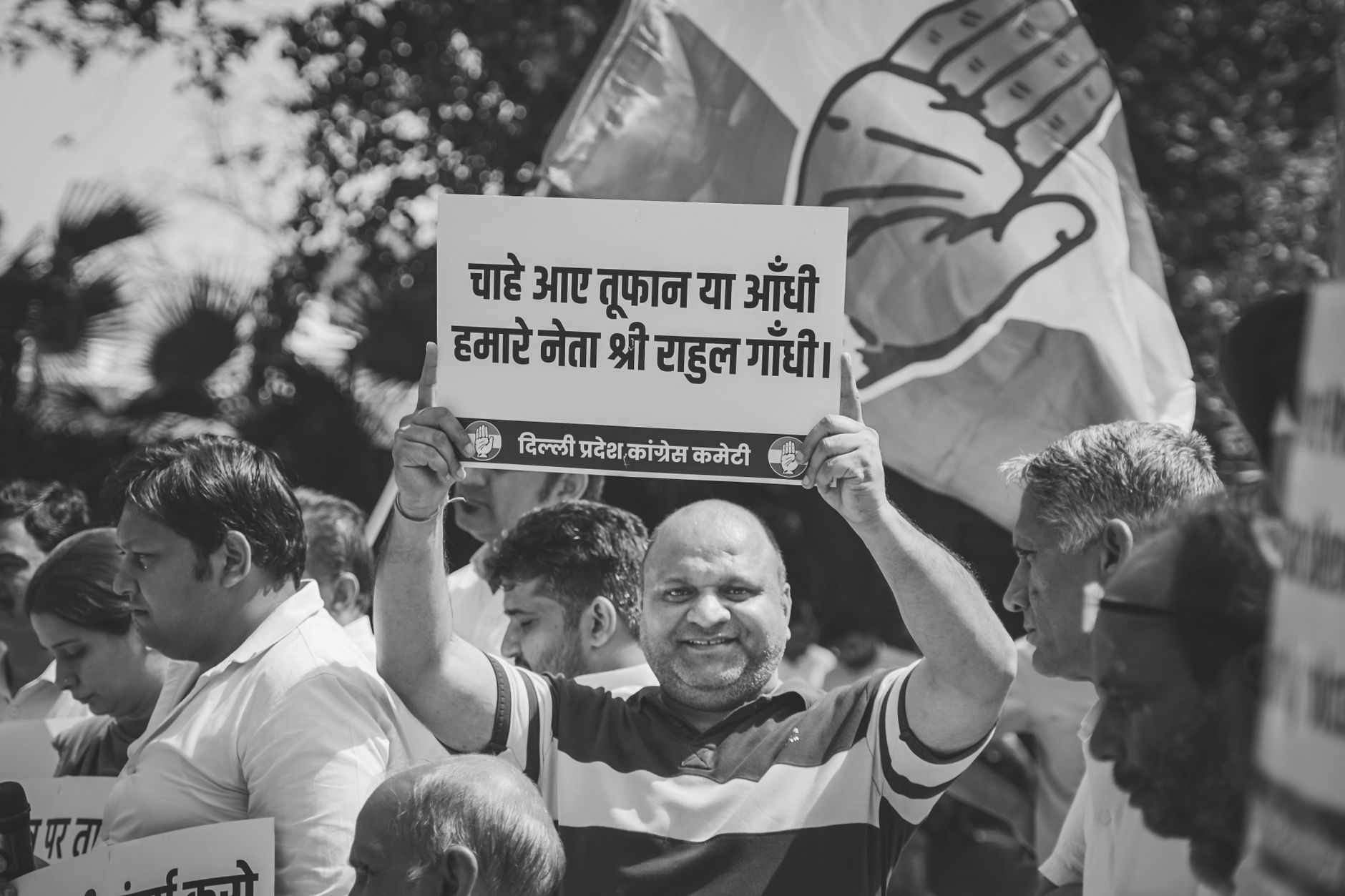
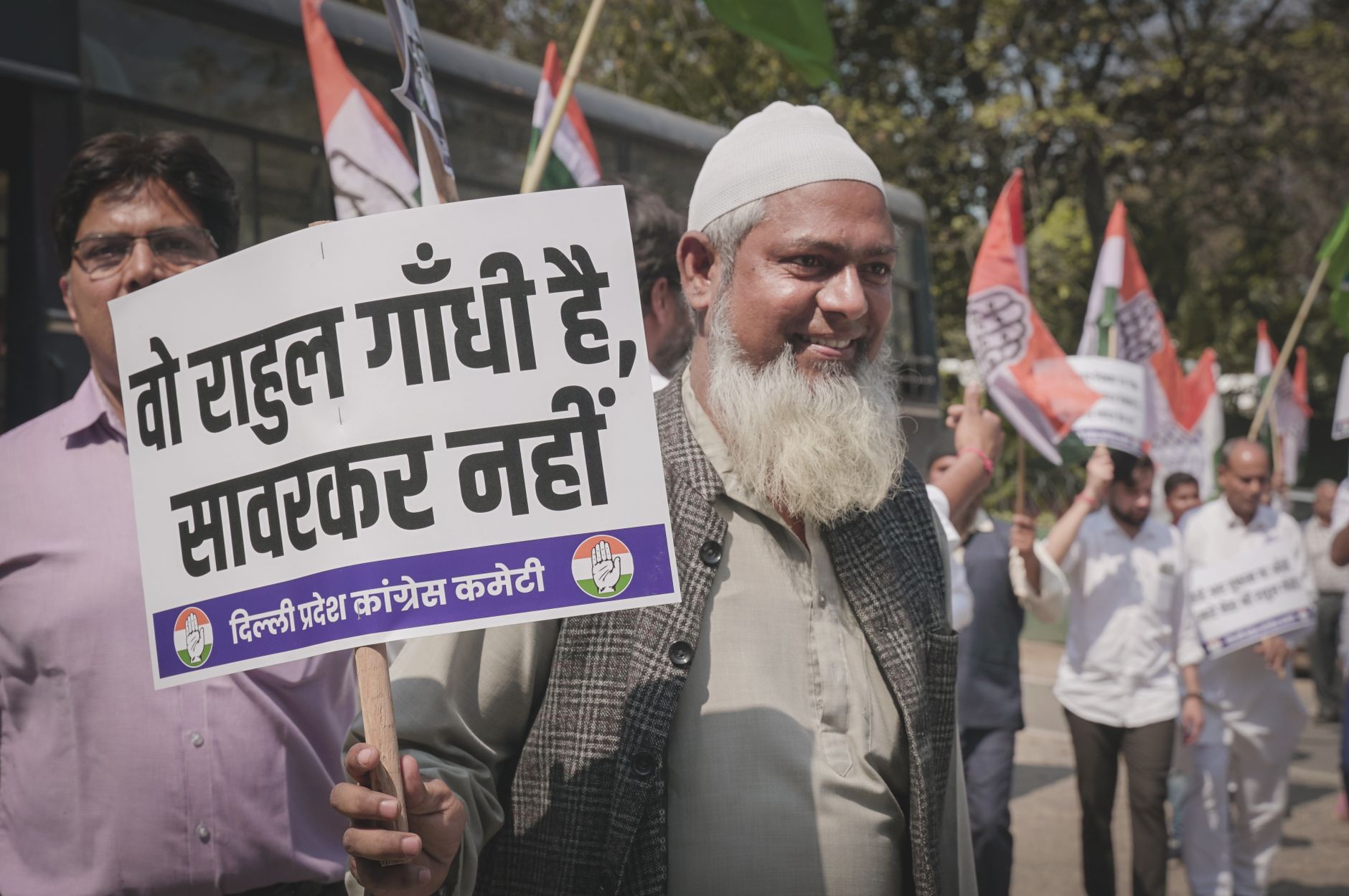
Abhijeet Dipke, a vocal critic, has spearheaded the campaign against Kumar, threatening nationwide protests if he does not resign within 48 hours. 'We will not back down without Gyanesh Kumar's resignation,' Dipke declared at a recent press conference, signalling a potential escalation in civil unrest.
Political Implications
Kumar's predicament is more than a personal crisis; it reflects a broader political battle. The INDIA bloc's vehement opposition highlights the deepening fissures in India's political landscape. The demand for Kumar's ousting is not merely about procedural misconduct; it is emblematic of the opposition's strategy to challenge perceived governmental overreach.
Meanwhile, Kumar has maintained his stance, appreciating his administrative handling of recent polls. However, his critics remain unconvinced, citing the timing of certain electoral decisions as suspiciously coincidental with political events.
What's at Stake?
The situation places the Election Commission at a crossroads, with its credibility hanging in the balance. The outcome of this conflict could define the future of electoral governance in India. A failure to resolve these tensions might erode public confidence in the democratic process, with long-term ramifications for India's electoral integrity.
As the nation watches, the political drama unfolds, leaving many to ponder the future of India's democratic institutions. While the resolution remains uncertain, what is clear is that the storm surrounding Gyanesh Kumar is far from over.