Hall and Woodford Scoop Economics Nobel for New Keynesian Insights
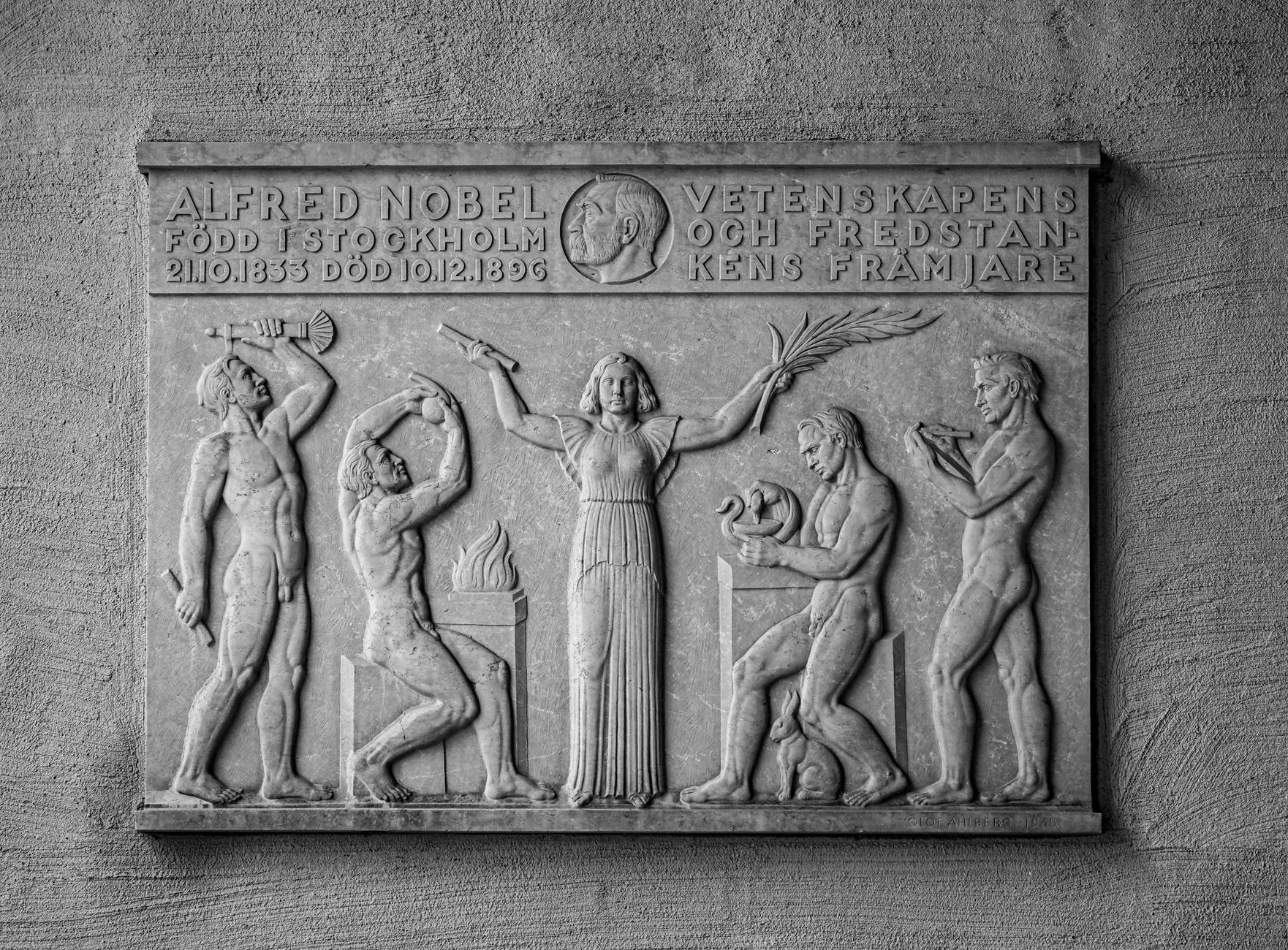
In a year that has seen its fair share of economic turbulence, the Nobel Prize for Economics has been awarded to two American economists, Robert Hall and Michael Woodford, for their pioneering work in New Keynesian economics. Their research, which focuses on the intricacies of macroeconomic policy and its impacts, has provided timely insights into the management of economic shocks.
Hall and Woodford's contributions have been particularly pertinent given the backdrop of the COVID-19 pandemic and energy crises, both of which have put global economies to the test. Their models have offered a framework for understanding how policy interventions, such as interest rate adjustments and fiscal measures, can mitigate the severity of economic downturns.
New Keynesian economics seeks to build upon traditional Keynesian theories by incorporating microeconomic foundations. This approach has been instrumental in addressing criticisms from proponents of new classical macroeconomics, who have often questioned the practicality of Keynesian solutions.
The Impact of Their Work
The research by Hall and Woodford has demonstrated that while economic recessions and inflationary periods are not entirely avoidable, their duration and intensity can be significantly reduced through informed policy decisions. This has been particularly evident in recent years, as central banks and governments have navigated unprecedented challenges.
Their work underscores the importance of responsive and well-considered economic policy, reminding us that while markets may fluctuate unpredictably, strategic interventions can stabilise economies. Such insights are not just academic; they have real-world implications for millions affected by economic policy shifts.
The Nobel committee's decision to honour Hall and Woodford highlights the enduring relevance of New Keynesian thought in contemporary economics. As the world grapples with the ongoing challenges of inflation and slow growth, their models offer a beacon of hope for more resilient economic management.