Has Science Finally Unveiled the Mysteries of Dark Matter?
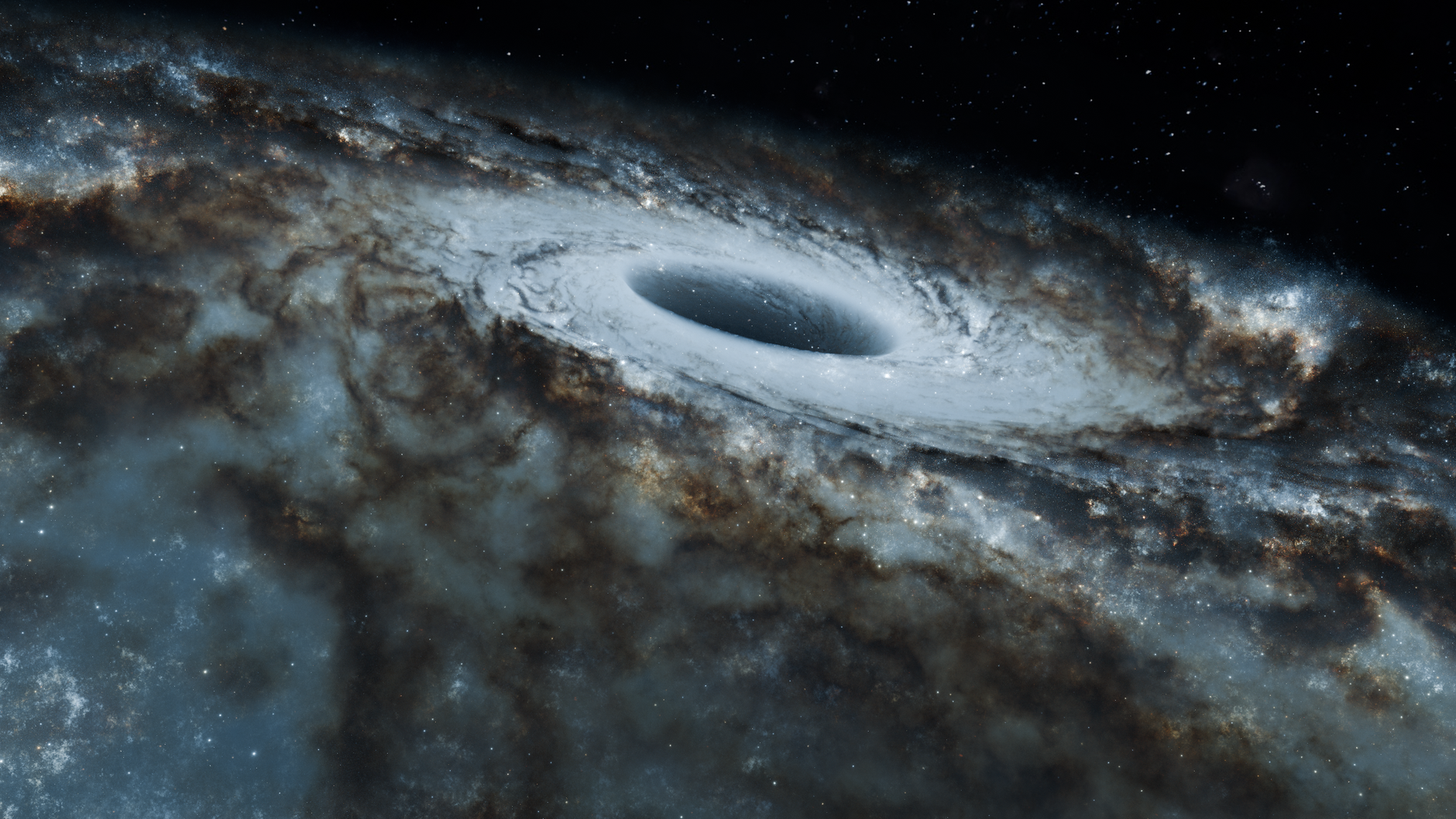
Deep beneath the Earth's surface, in an underground laboratory shielded from cosmic noise, scientists may have detected a whisper from the universe's most enigmatic component: dark matter. The LUX-ZEPLIN experiment has recorded an unusual interaction that could be a signal of dark matter—a substance that neither emits nor absorbs light, yet is believed to make up roughly 27% of the universe.
This potential breakthrough comes with a caveat: the results are classified as 2.6 sigma, a statistical measure indicating that while intriguing, the findings are not yet conclusive. Scientists emphasise the need for further data before declaring a definitive discovery. Nevertheless, the excitement within the scientific community is palpable.
Dark matter has long been an elusive quarry. Although it cannot be observed directly, its existence is inferred from gravitational effects on visible matter, such as galaxies and clusters. The phenomenon of gravitational lensing, where dark matter bends light around massive celestial bodies, serves as a compelling indirect evidence of its presence.
The significance of detecting dark matter cannot be overstated. Such a discovery would not merely fill gaps in our understanding of the universe's composition but could also unlock new realms of physics beyond the current Standard Model. As scientists continue to sift through the data, the world watches with bated breath, hopeful that one of the universe's greatest secrets may finally be within reach.