
Has Science Unlocked the Secrets of Dark Matter?
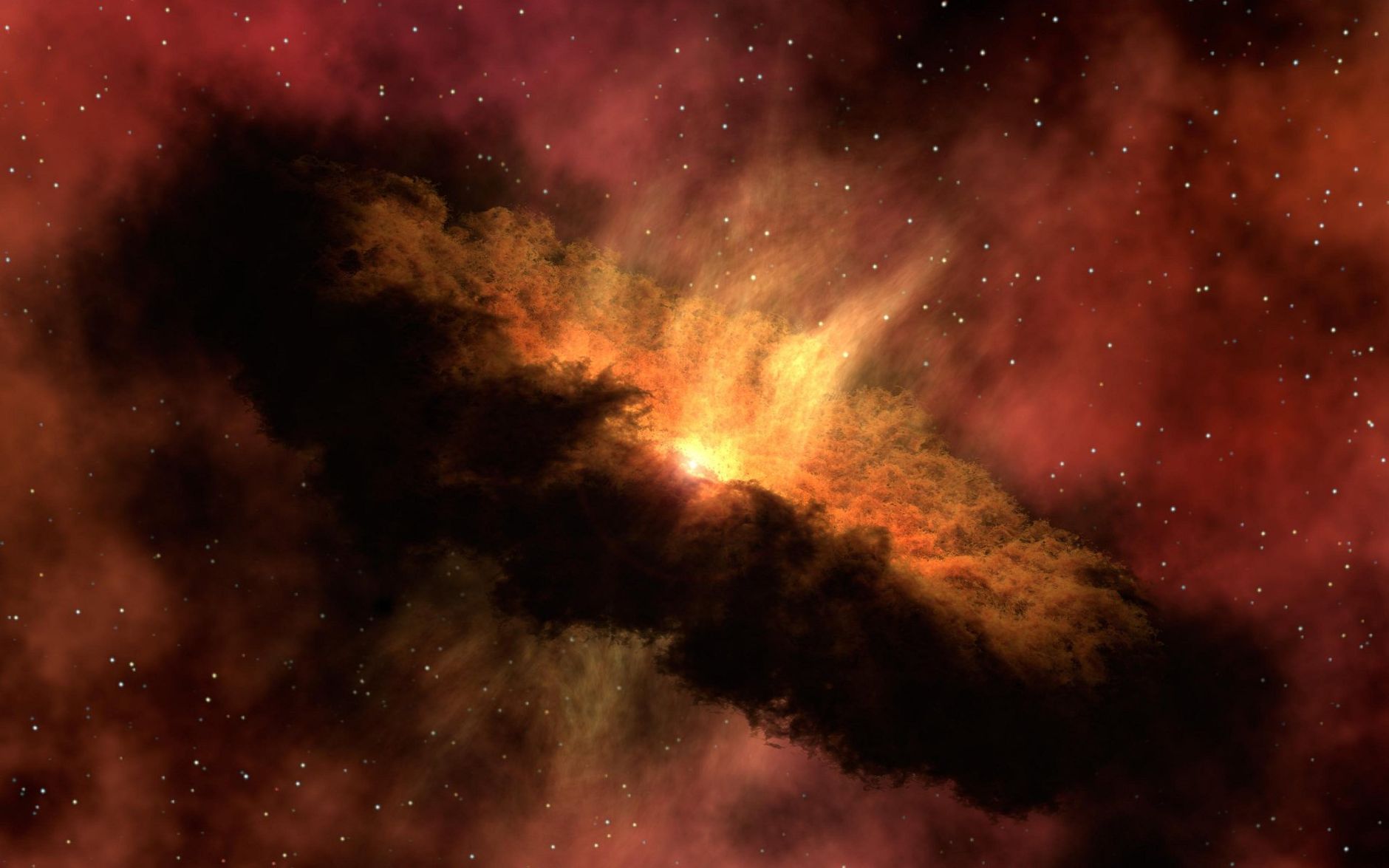
In the shadowy realm of cosmic mystery, a flicker of light has emerged. Scientists believe they may have glimpsed a dark matter particle, a prospect that has the scientific community abuzz with excitement and scepticism alike.
Dark matter, the enigmatic substance that holds galaxies together, has long eluded direct observation. It neither emits nor absorbs light, making it virtually invisible to conventional scientific instruments. Yet, it makes up a staggering 85% of the universe’s mass, serving as the unseen scaffold of cosmic structures.
In September 2026, researchers reported detecting an inexplicable signal in a sophisticated underground detector. This signal, they hope, could represent the first direct evidence of a dark matter particle. While the data is preliminary, the implications are profound. If verified, this could unravel one of the universe's deepest mysteries.
The Elusive Nature of Dark Matter
For decades, physicists have theorised about the existence of dark matter, driven by the gravitational effects observed in galaxies. However, without direct detection, its nature remained speculative. The recent finding, if substantiated, could be a watershed moment in understanding what dark matter is and how it interacts with the visible universe.
The challenge lies in the signal's ambiguity. Scientists are cautious, aware that past signals have often led to false starts. They are now meticulously analysing the data to rule out other potential sources before declaring a definitive discovery.
Implications for the Future
The discovery of a dark matter particle could revolutionise physics, akin to the detection of the Higgs boson. It would not only validate decades of theoretical work but also open new avenues of research into the universe’s formation and evolution.
As scientists around the globe scrutinise the findings, the world watches with bated breath. The quest to understand dark matter is far from over, but this signal brings us tantalisingly close to solving one of the cosmos’s greatest puzzles.


