Have Scientists Finally Detected a Dark Matter Particle?
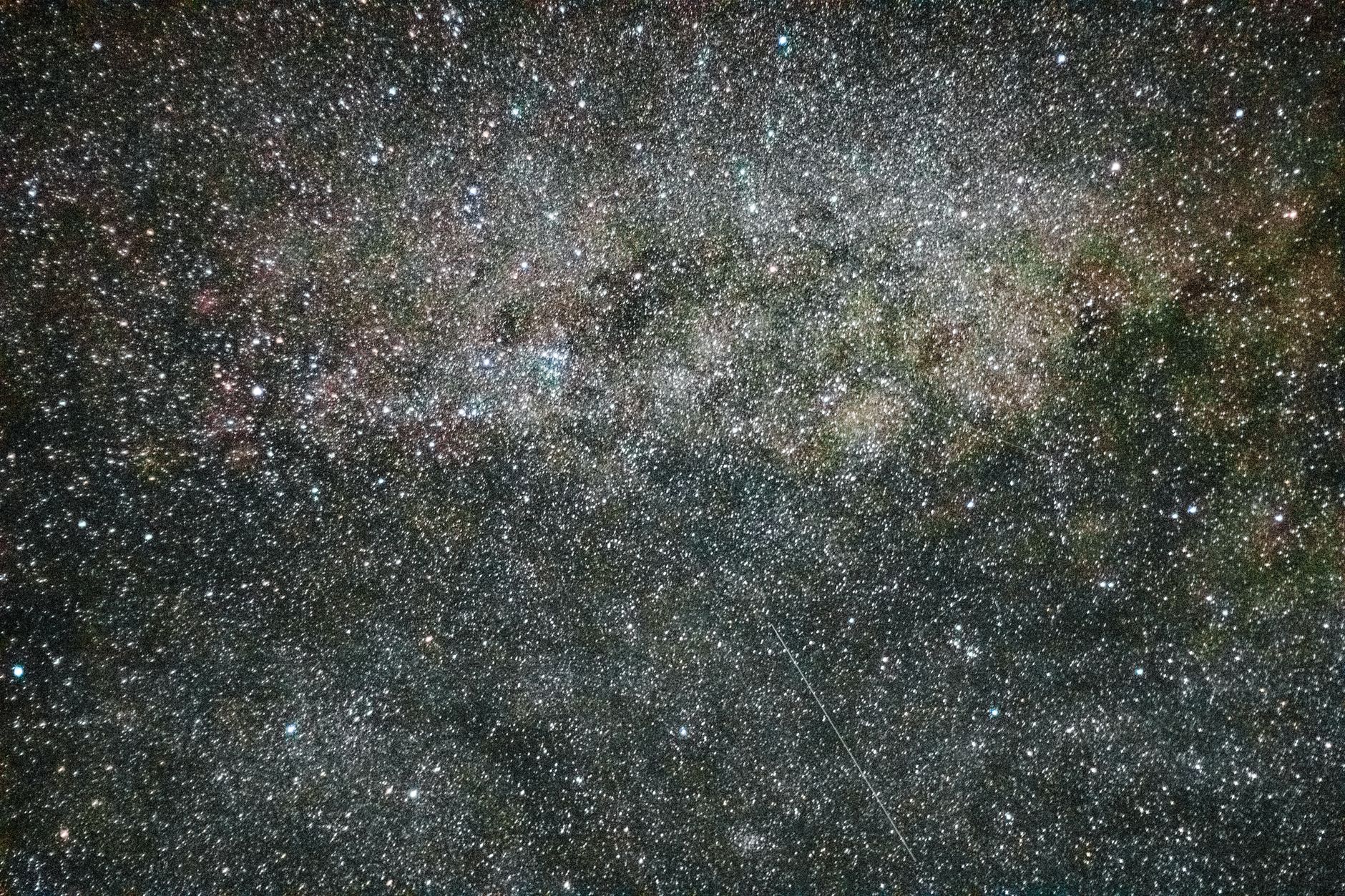
The scientific community is abuzz with excitement following a potentially groundbreaking detection that may finally illuminate the shadowy realm of dark matter. A peculiar signal, observed by researchers, suggests they may have glimpsed a particle of this elusive substance for the first time.
Dark matter, an enigmatic component that constitutes approximately 85 percent of the universe's mass, has long been a source of fascination and frustration for physicists. It neither emits nor absorbs light, rendering it invisible to traditional detection methods. Yet its gravitational effects are unmistakable, providing the glue that binds galaxies together.
A Mysterious Signal
On 4th September 2026, scientists reported the detection of an unusual particle event. This signal, whilst still under rigorous analysis, could be the most promising lead in the ongoing quest to understand dark matter. The particularities of this signal, captured by sophisticated detectors, have left researchers cautiously optimistic.
The experiment, conducted deep underground to shield from cosmic rays and other interference, utilised cutting-edge technology designed specifically to probe the depths of dark matter. The signal's characteristics suggest it may not conform to any known type of particle, igniting speculation that it could indeed be the elusive dark matter particle.
Implications for Science
Should this signal be confirmed as the first direct detection of a dark matter particle, it would represent a monumental leap forward in our understanding of the cosmos. The implications extend beyond mere academic curiosity; unlocking the secrets of dark matter could reshape our grasp of the universe's formation and evolution.
However, the scientific community remains prudently sceptical. Further experiments and peer reviews are essential to validate these findings. History has seen numerous false alarms in the search for dark matter, and the stakes are high.
For now, the world waits with bated breath, as scientists meticulously sift through the data, hopeful that they are on the brink of a discovery that could change our understanding of the universe forever.