
Have Scientists Unveiled the Elusive Dark Matter?
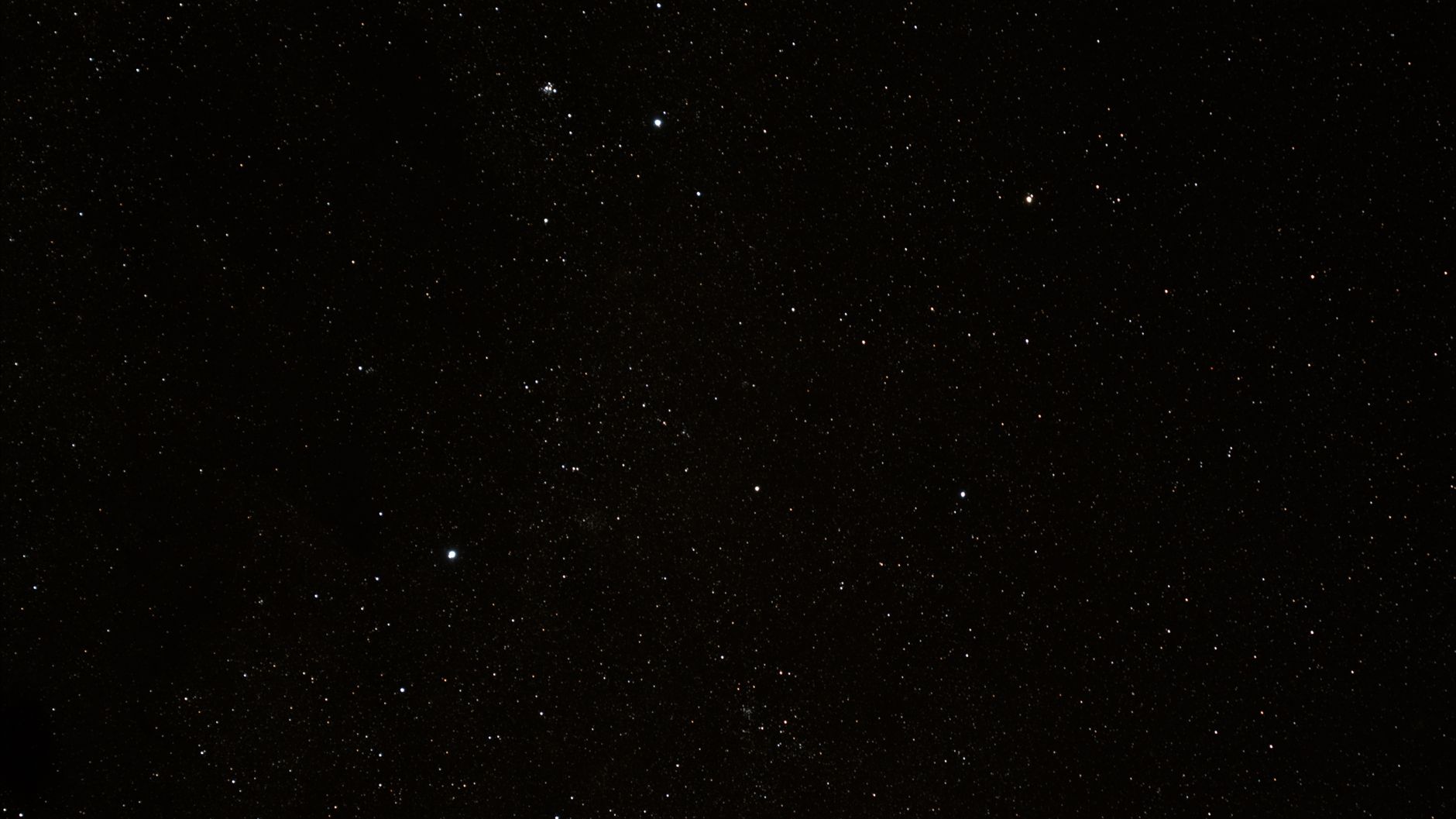
Deep beneath the Earth's surface in a South Dakota lab, a team of scientists may have glimpsed the cosmos's most elusive constituent: dark matter. This mysterious substance, which makes up about 85% of the universe's mass, has long been the subject of intense scrutiny and speculation. Yet, it remains invisible, only detectable through its gravitational effects on visible matter.
The LUX-ZEPLIN experiment, nestled nearly a mile underground, is designed to capture rare interactions that could unveil dark matter. Recent findings have sparked excitement among physicists, as a particle interaction was observed that could point towards the existence of this enigmatic matter. However, the results hover at a 2.6 sigma level of certainty, far from the 5 sigma required for a definitive discovery.
Why It Matters
Understanding dark matter is crucial for a more complete picture of the universe. Its elusive nature has spurred numerous theories, but direct evidence has remained out of reach. Should these findings be validated, they could usher in a new era of astrophysics, potentially reshaping our grasp of fundamental cosmic phenomena.
Dark matter is theorised to play a key role in galaxy formation and rotation, affecting the universe's large-scale structure. The ability to detect it would open new avenues in exploring how galaxies and cosmic structures are formed and evolve.
The Road Ahead
While the recent discovery is promising, it is just a stepping stone. The scientific community remains cautiously optimistic, emphasising the need for further experiments and corroborations. As researchers continue to refine their methods and equipment, the hope is to move from mere hints to solid evidence.
For now, the mystery of dark matter lingers like a shadow over the cosmos, challenging scientists to unlock its secrets. The potential discovery of dark matter is not just a triumph of technology and persistence but a testament to human curiosity and the quest for understanding the universe's most profound mysteries.


