Health and Physical Education: A New Requirement for Indian Students
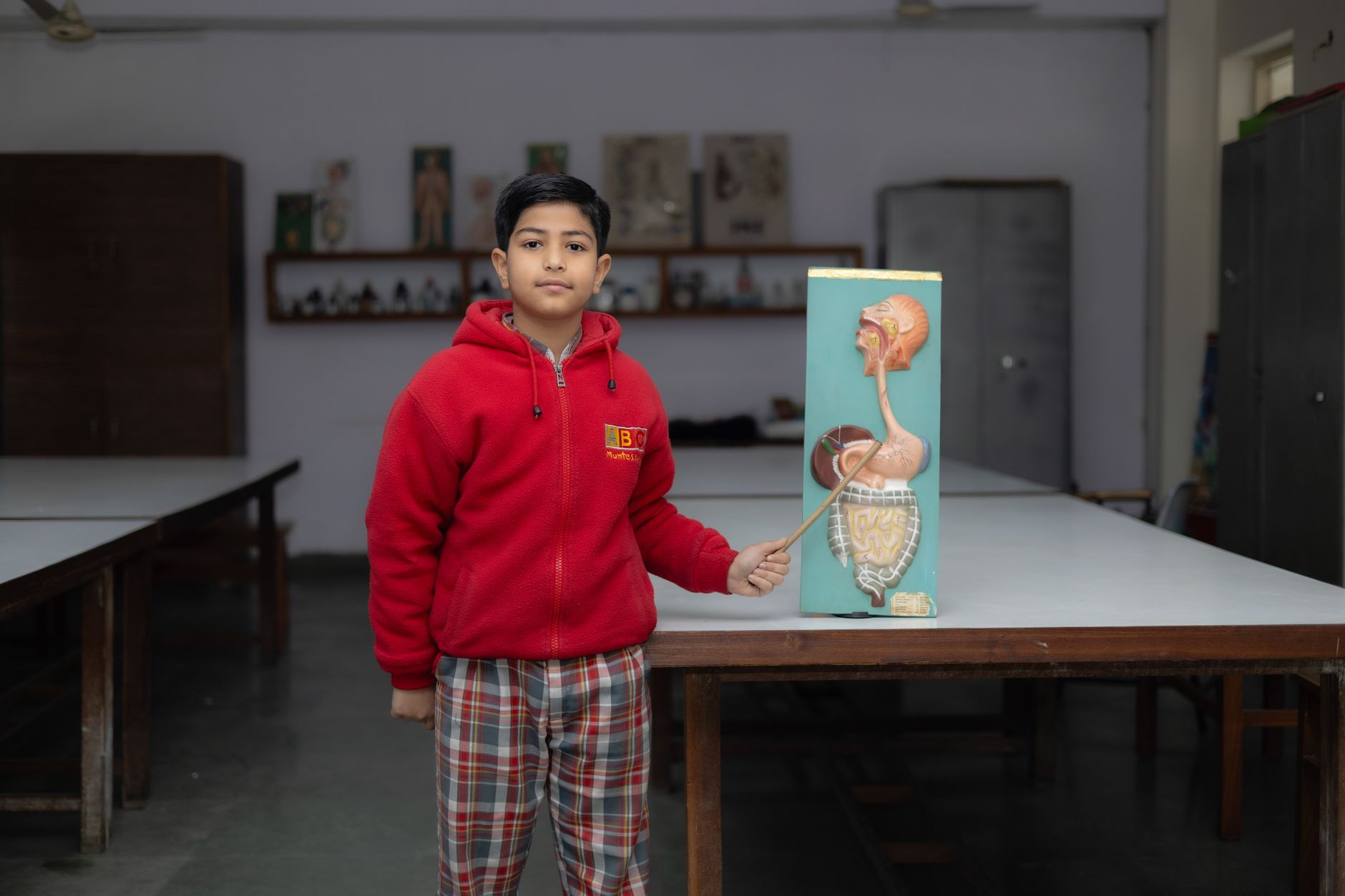
In a decisive move that may reshape the educational landscape in India, Health and Physical Education have been made mandatory components of internal assessment for students in Classes IX and XI. This decision reflects a broader understanding of education, recognising that academic prowess alone doesn't suffice for the holistic development of young minds.
The integration of physical education into the core curriculum is not merely a nod to the importance of physical fitness. It is a statement that underscores the role of a balanced lifestyle in the formative years of a student's life. With this initiative, the Central Board of Secondary Education (CBSE) aims to inculcate a sense of discipline, teamwork, and well-being among students.
Why This Change Matters
The World Health Organisation (WHO) has long advocated for regular physical activity among young people, citing its benefits for both physical and mental health. By making physical education a compulsory part of internal assessments, schools are now in a position to implement these guidelines more effectively. Students will become more aware of common postural deformities such as knock knees and flat feet, and learn corrective measures to address them.
Furthermore, this move could herald a new era of inclusivity in sports, encouraging greater participation from girls who often face societal barriers in accessing physical activities. The psychological and social benefits of sports are well-documented, and with structured programmes, these can be extended to a wider demographic.
Challenges and Opportunities
However, the implementation of this policy is not without its challenges. Schools will need to ensure they have the requisite infrastructure and trained personnel to deliver quality physical education. This presents an opportunity for educational institutions to innovate and collaborate, possibly integrating technology to enhance learning experiences.
Additionally, this requires a shift in mindset from parents and educators alike, who traditionally prioritise academic achievement over physical education. The challenge lies in changing these perceptions and recognising the long-term benefits of a comprehensive education system.
As this policy unfolds, it will be interesting to observe its impact on student performance and overall well-being. One thing is clear: the CBSE's decision marks a pivotal moment in the evolution of India's education system.