Health Crisis Looms as Indonesia's Wildfires Choke Southeast Asia
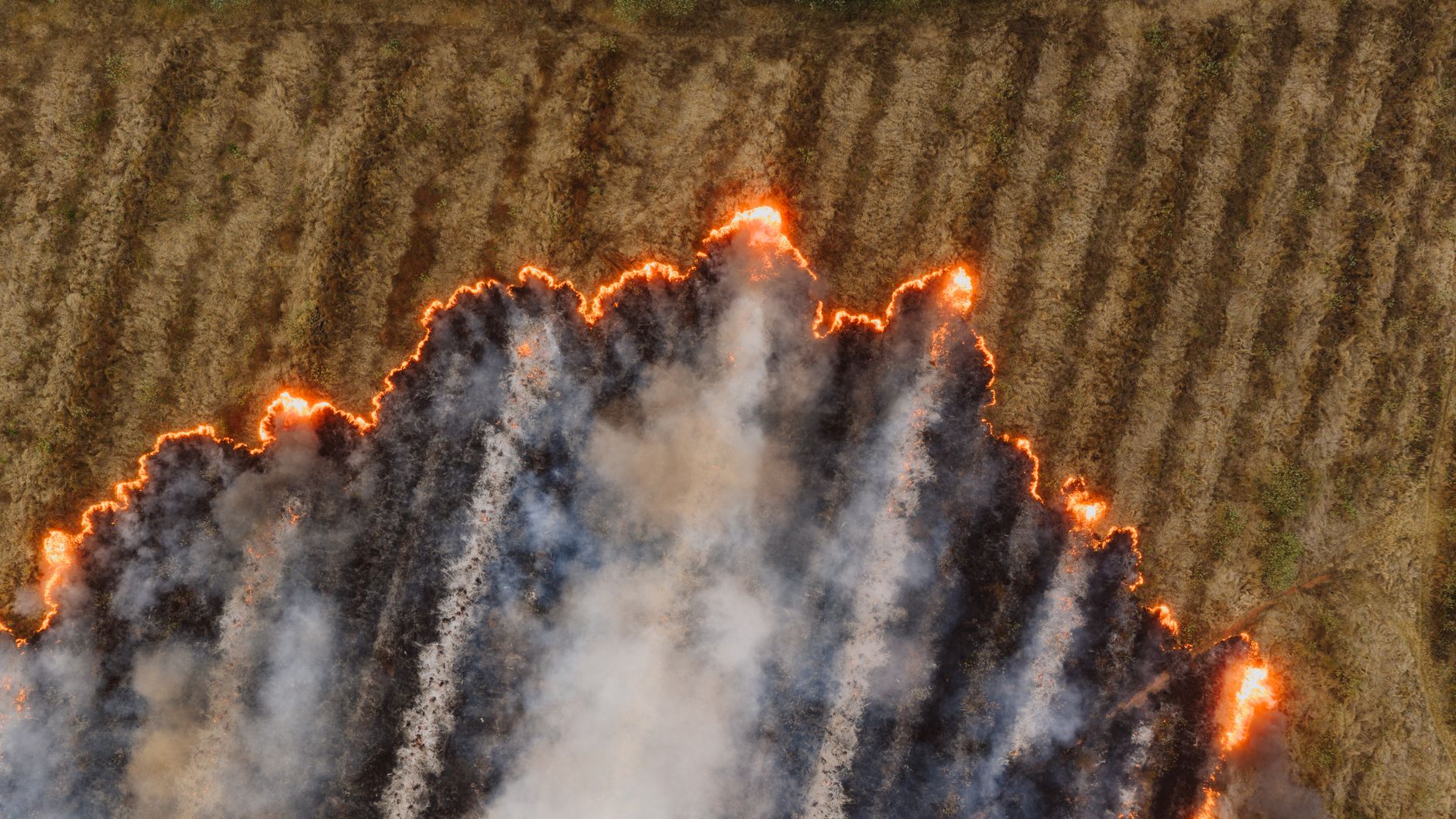
The morning air in Kuala Lumpur no longer carries the promise of a new day. Instead, it is thick with haze, a byproduct of the record wildfires raging across Indonesia's islands of Borneo and Sumatra. The fires, burning through peatlands, have turned into a regional health emergency, with respiratory infections in Indonesia more than doubling in a span of mere weeks.
This phenomenon is not new, but the scale is unprecedented. The Indonesian archipelago, often plagued by such fires, finds itself at the epicentre of an environmental and health crisis that transcends its borders. With winds carrying the dense smoke across the South China Sea, Malaysia, Singapore, and even parts of the Philippines are now enveloped in the choking smog.
Peatlands: The Hidden Inferno
Peatlands, notorious for their ability to smoulder unseen below the surface, are particularly challenging to extinguish. Flames may not always be visible, but beneath the earth, embers continue to burn, ready to reignite at the slightest provocation. Andri, a local fire brigade officer, grimly notes that unless these hidden fires are thoroughly extinguished, the smoke will persist and spread.
The implications are severe. Schools have closed, flights are delayed, and hospitals are seeing a surge in patients with respiratory issues. The Indonesian health ministry reports a sharp increase in cases, a statistic mirrored in neighbouring countries.
International Repercussions and Responses
As the haze spreads, so does international concern. Singapore's air quality has dipped to unhealthy levels, prompting the government to issue health advisories. Meanwhile, Malaysia has deployed additional resources to monitor air quality and assist affected citizens.
There is a pressing need for a coordinated regional response to this crisis. The Association of Southeast Asian Nations (ASEAN) has long recognised transboundary haze as a critical issue, yet progress remains hindered by bureaucratic inertia and diplomatic sensitivities.
While Indonesia struggles with containing the fires, the broader Southeast Asian community must rally to enhance cooperation and deploy technological and financial resources to prevent a recurrence. The health of millions, as well as the region's environmental future, hangs in the balance.