Hidden Hormonal Triggers: A Breakthrough in Diagnosing High Blood Pressure
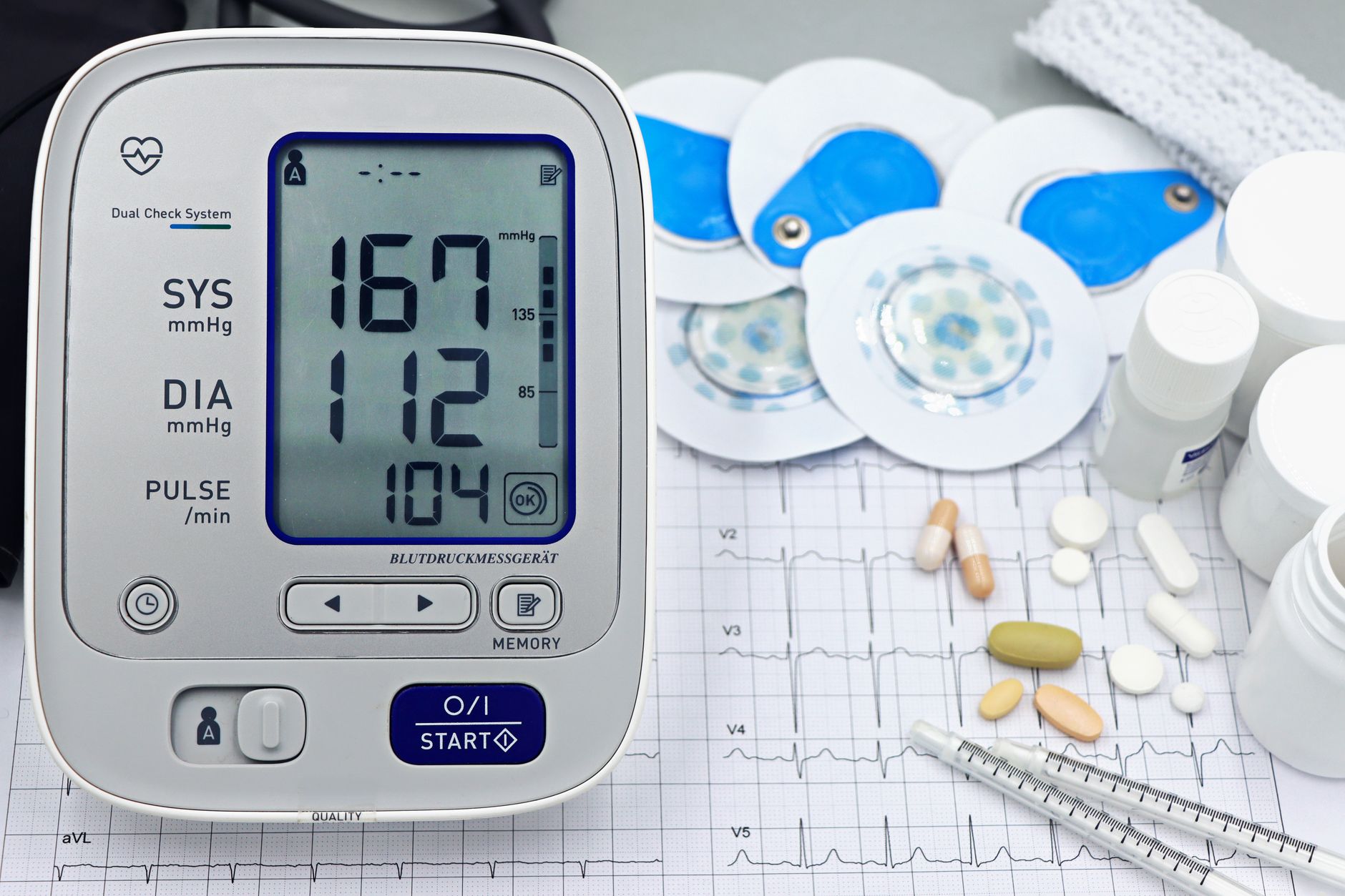
In a quiet laboratory corner, scientists have unearthed a hidden culprit behind high blood pressure, a condition affecting millions worldwide. The revelation comes in the form of a hormone disorder, often slipping under the radar of conventional diagnostic tests.
High blood pressure, or hypertension, is a medical enigma. Known for its 'silent killer' moniker, the condition frequently goes unnoticed until severe complications arise. Recent findings published in the journal Science Translational Medicine suggest that a wearable device monitoring hormone changes might be the key to better diagnosis.
A Hormonal Mystery
Traditionally, high blood pressure is attributed to lifestyle factors, genetics, or underlying health conditions. However, this new research shines a light on an oft-missed hormonal imbalance. Scientists explain that routine blood tests may fail to capture dynamic hormone fluctuations that occur throughout the day and night.
Dr. Jane Thornton, a lead researcher, noted, "Our findings indicate that this hormonal disorder is more common than previously thought. Wearable technology allows us to track these changes in real-time, offering a more comprehensive understanding of an individual's health."
Implications for Treatment
Understanding the hormonal aspect of hypertension could transform treatment protocols. Early detection through wearable devices may lead to targeted therapies, potentially reducing the need for lifelong medication. For young adults, who are increasingly susceptible to high blood pressure, this could be a particularly important development.
Further research is necessary to refine these diagnostic tools and integrate them into clinical practice. Yet, this discovery marks a significant step forward in managing a condition that affects nearly one in three adults globally.
As the medical community continues to grapple with the complexities of hypertension, the role of technology in personal healthcare management becomes ever more critical. This breakthrough offers hope for a future where high blood pressure is diagnosed with precision and treated with tailored strategies.