Historic Aurora Observations Illuminate Solar Cycles of the Past
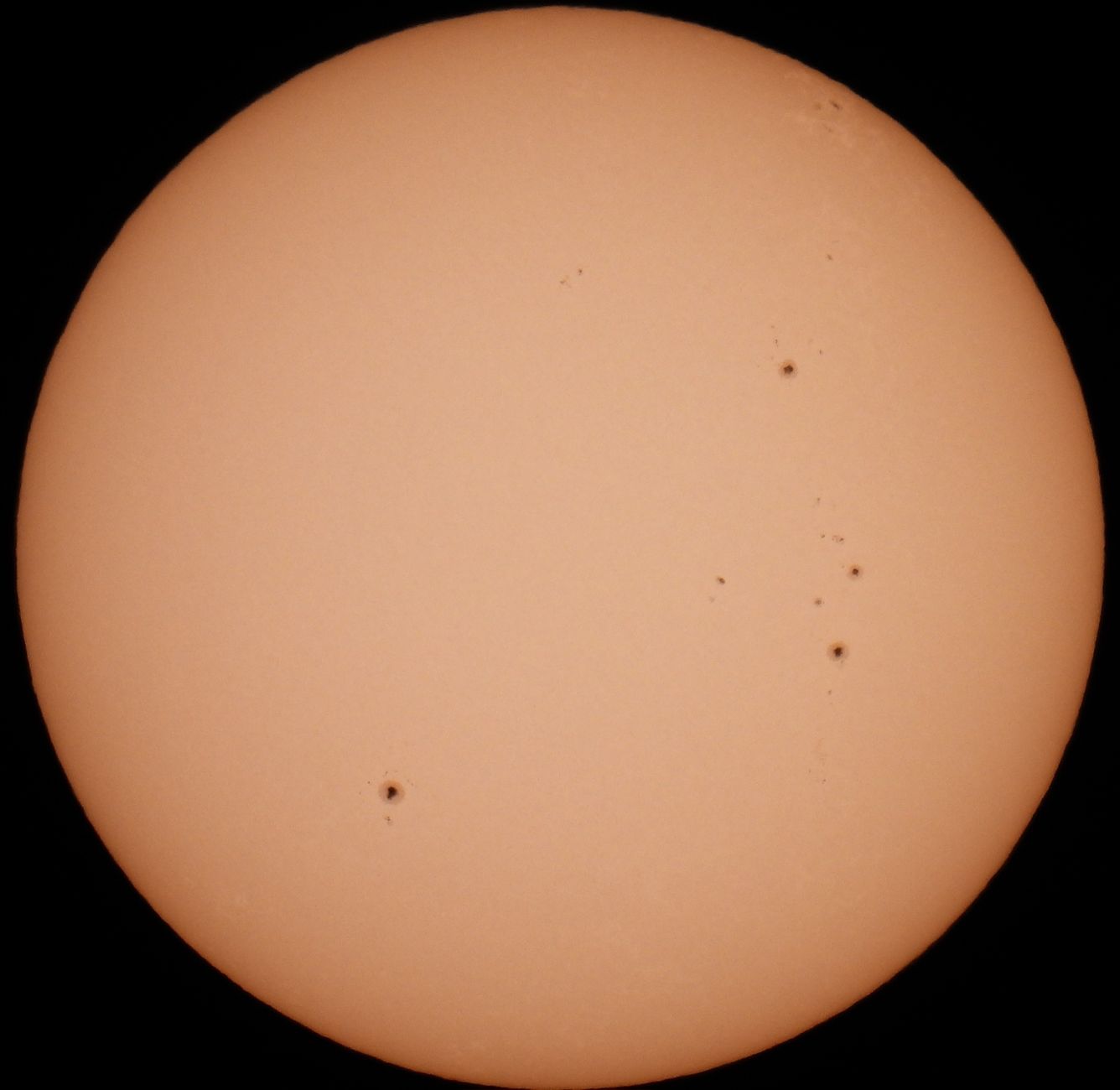
In an intriguing blend of history and science, researchers have ingeniously employed centuries-old observations of the aurora borealis to reconstruct solar cycles from 1560 to 1640. This period, often referred to as the pre-telescopic era, pre-dates the systematic recording of sunspot activity, which began in earnest in 1749.
By meticulously analysing records from diverse sources, including European and Asian chronicles, scientists have pieced together a clearer picture of solar activity during a time when direct astronomical observations were scant. The study provides valuable insights into how auroral activity, a visible manifestation of solar winds interacting with Earth's magnetosphere, can serve as a proxy for solar intensity.
Why This Matters
The sun's influence on Earth's climate is a well-documented phenomenon, yet understanding its historical activity has always been challenging due to the lack of direct data. The reconstructed solar cycles offer crucial information about the sun's past behaviour, potentially helping scientists predict future solar patterns and their implications for climate models.
These findings are particularly significant as they fill a gap in our understanding of solar dynamics before the modern scientific era. They not only provide clues about the sun's past behaviour but also help refine models that predict how solar activity might affect Earth's climate in the future.
The Broader Context
The study also highlights the enduring human fascination with the aurora borealis, which has been observed and recorded for centuries, long before it was understood scientifically. These colourful displays in the sky, often depicted in art and literature, have now become a bridge connecting ancient observations with contemporary solar research.
As scientists continue to unravel the mysteries of the sun, this study serves as a reminder of the rich tapestry of historical data that still holds untapped potential for modern science. The blending of historical records with current scientific methods showcases how much can be learned from looking to the past, offering insights not just into solar cycles but also into the broader narrative of humanity's quest to understand the natural world.