Historic Leap: Robotic Surgery Debuts at City Hospital
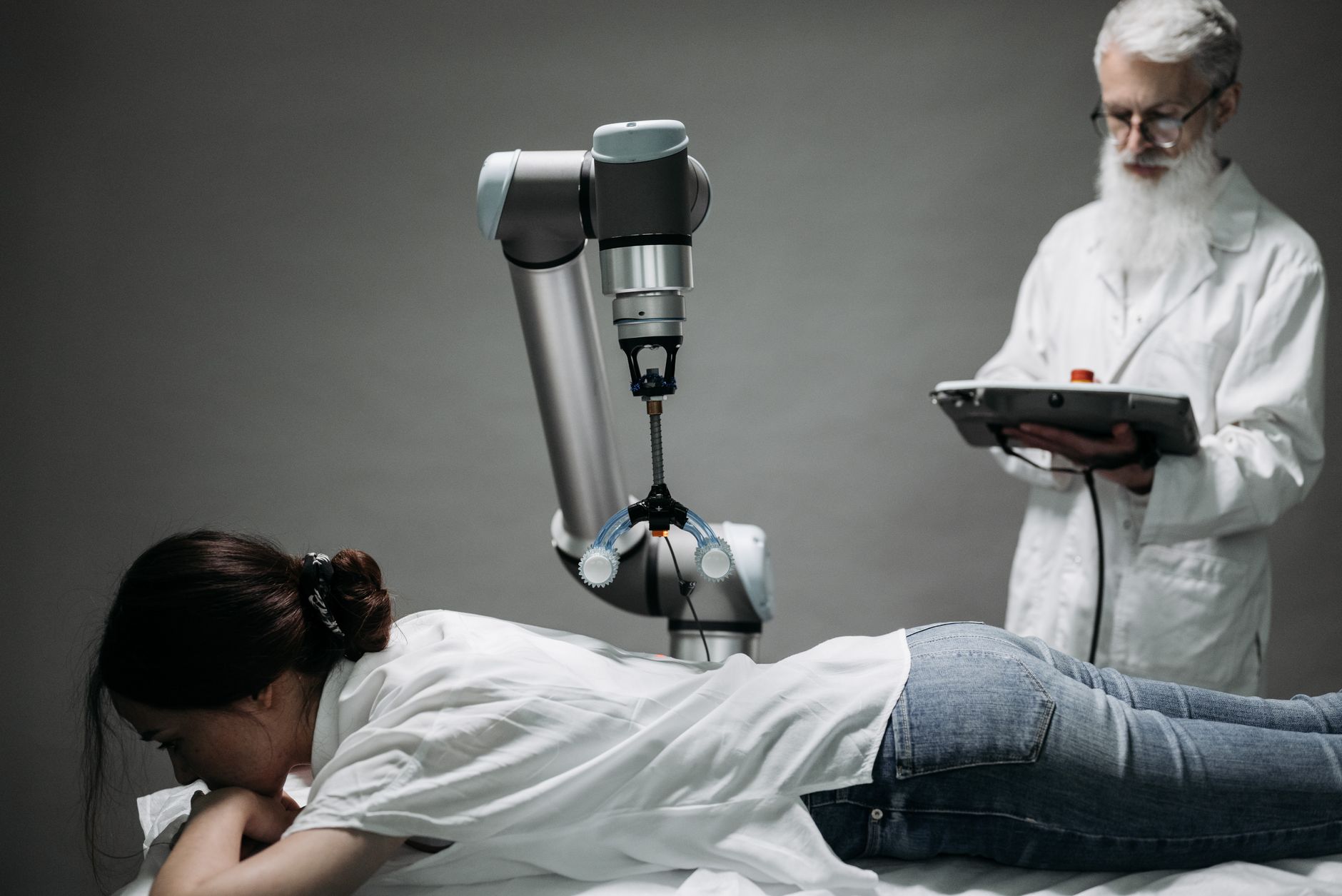
In a milestone for medical technology, Cumberland Infirmary in Carlisle has completed its first series of robot-assisted surgeries, utilising advanced 3D vision technology. This pioneering effort marks a significant step in the integration of robotics in healthcare, a field traditionally dominated by human expertise.
The surgeries, performed under the aegis of North Cumbria Integrated Care NHS Foundation Trust, were hailed as a resounding success, with surgical teams reporting enhanced precision and reduced operation times. The introduction of robotic assistance in surgery is not merely a technological novelty but a potential harbinger of a new era in patient care.
The Promise of Precision
The use of robotic systems in surgery is not entirely new. Since the early 1990s, when ROBODOC first ventured into operating theatres, technological advancements have continually reshaped the surgical landscape. However, the integration of 3D vision technology represents a substantial leap forward. Surgeons can now perform intricate procedures with a level of precision previously unattainable, potentially minimising complications and improving recovery times.
Dr. Emily Stanton, a leading surgeon at the hospital, commented, "The robotic system acts as an extension of the surgeon's own hands, offering unparalleled accuracy and control."
Implications for the Future
As the NHS grapples with increasing demand and limited resources, innovations like these could prove transformative. Robotic surgeries promise not only to augment the capabilities of surgical teams but also to potentially reduce hospital stays and post-operative recovery periods, easing the burden on healthcare infrastructure.
While the initial investment in such technology is substantial, the long-term benefits could outweigh the costs. Improved patient outcomes and efficiency gains may well justify the outlay.
The Road Ahead
Looking forward, the success in Carlisle is likely to galvanise other hospitals across the UK to adopt similar technologies. As the medical community continues to embrace innovation, the hope is that patients nationwide will soon benefit from the precision and efficacy of robotic-assisted surgeries.