How a New Map is Revolutionising Our Global Perspective
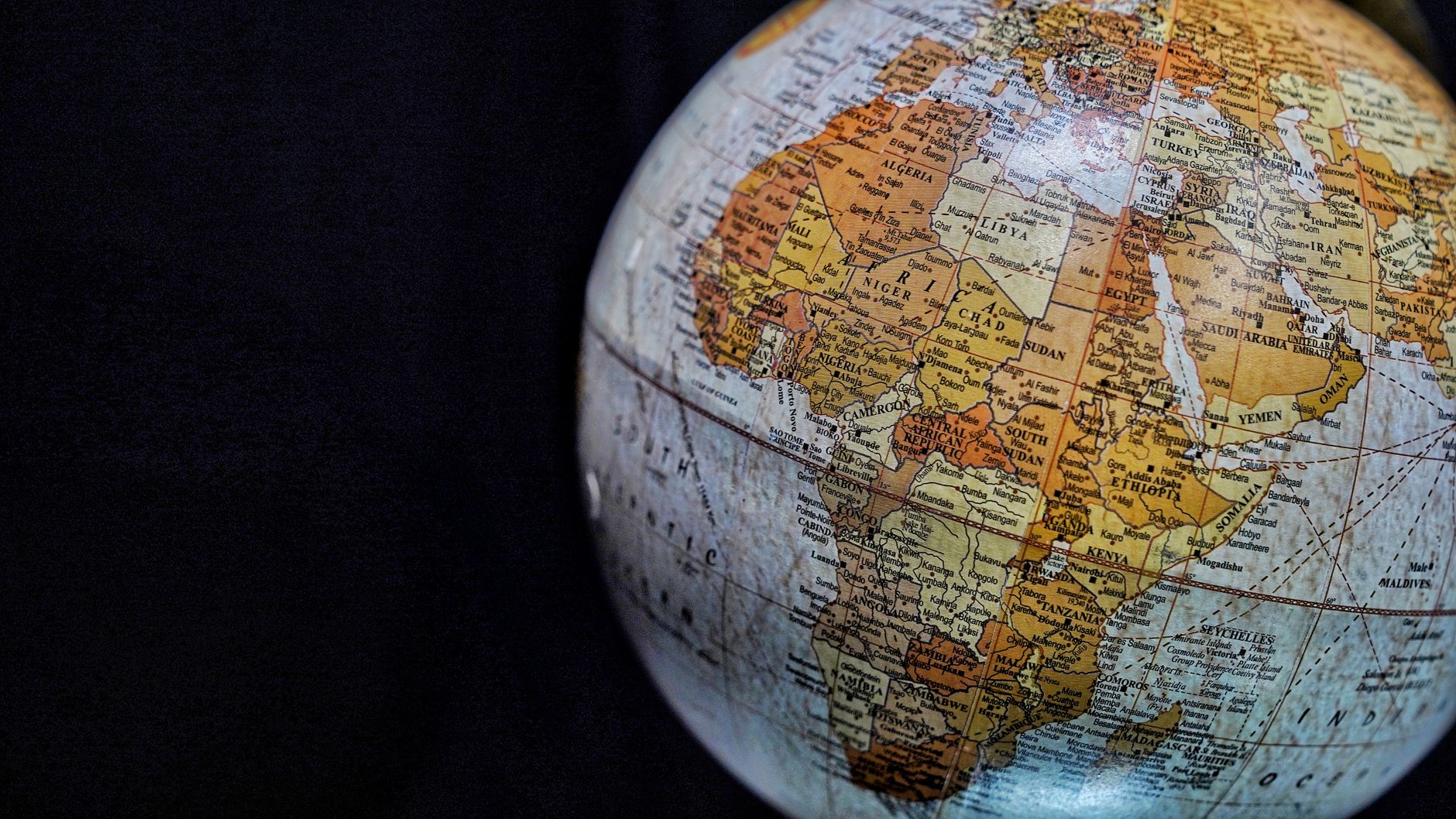
Maps have always been more than mere tools of navigation; they are instruments of perception, shaping how we understand the world and our place within it. A recently proposed map, garnering substantial support at the United Nations General Assembly (UNGA), is poised to redefine this understanding. Out of 171 nations, 164 voted in favour, with only the United States opposing, signalling a significant consensus on the need for change.
This initiative, however, does not aim to alter the geography itself. Instead, it seeks to adjust our mental lenses, offering a more equitable representation of nations. The goal is to correct historical biases ingrained in traditional maps, which have often favoured certain regions over others, both in size and prominence.
The United States Stands Alone
In a somewhat surprising move, the United States cast the sole vote against the proposal. This opposition highlights a divergence in priorities, possibly rooted in geopolitical strategies and historical attitudes towards global representation. While the U.S. remains steadfast in its stance, other nations are embracing the potential for a map that portrays a more balanced view of international borders and distances.
Australia, among others, has welcomed the change, seeing it as a step towards recognising the true scale of countries and fostering a better understanding among global citizens. This move could also have educational implications, encouraging a more informed perspective on global geography.
Technological Influence and Public Perception
The advent of platforms like Google Maps and OpenStreetMap has already begun to influence public perception by providing more detailed and accurate depictions of the world. These technologies, offering high-resolution aerial views and user-generated data, have made significant strides in altering how we interact with maps daily.
The new map proposal aligns with these technological advances, aiming to integrate them into a standardised format that can be universally adopted. By doing so, it hopes to eliminate discrepancies and foster a unified approach to understanding our world.
Ultimately, this initiative underscores the power of maps not just as navigational aids, but as tools for cultural and intellectual growth. As the debate continues, the world watches closely, eager to see how this new perspective will unfold.