
How Aging Brains May Prioritise Wisdom Over Memory
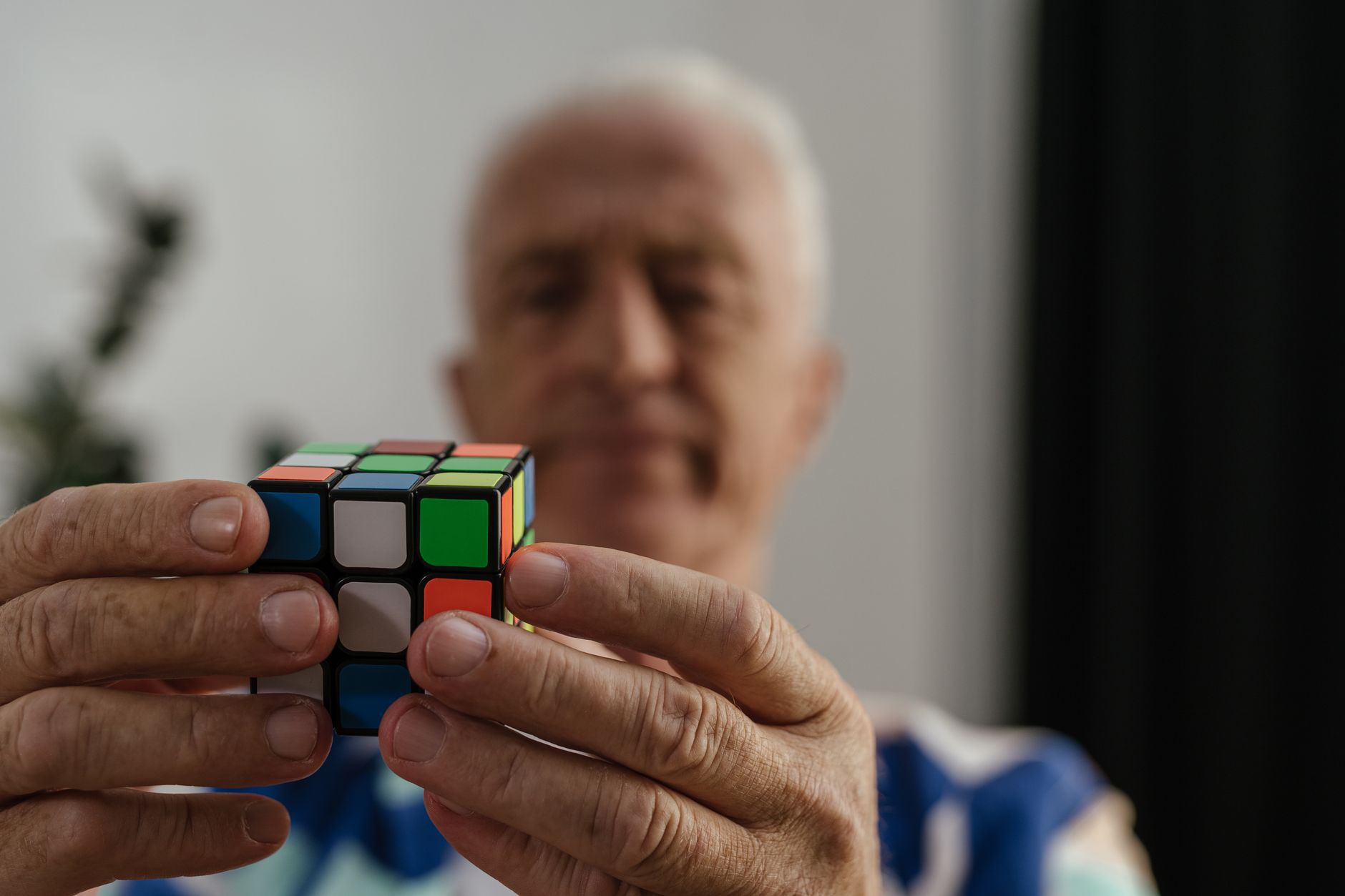
Picture this: an octogenarian sitting on a park bench, imparting life lessons to a curious youngster. It’s a scene that might soon be backed by science, as new research suggests that our ageing brains might be prioritising wisdom over memory.
Traditionally, an ageing brain has been viewed through a somewhat pessimistic lens, often described as a slow decline into forgetfulness. However, recent studies from the Association for Psychological Science are painting a rather different picture. As it turns out, the brain may not be losing its edge but rather adapting to focus on what matters most—wisdom, meaning, and the sharing of knowledge.
From Memory to Meaning
This shift doesn’t imply that older adults are incapable of remembering. Instead, they are becoming adept at filtering information, prioritising insights over minutiae. The research suggests that the brain's reliance on different memory systems evolves, somewhat like a seasoned editor who knows which stories are worth telling.
Interestingly, this adaptation could be an evolutionary advantage. In societies, the elderly have long been the keepers of knowledge, their accumulated wisdom guiding younger generations. This ability to distil experiences into valuable life lessons may be the brain’s way of ensuring that important narratives are passed down, even if at the expense of detailed memory.
Challenging Perceptions of Ageing
While Alzheimer's and other neurodegenerative conditions disrupt brain function through pathological processes, healthy ageing might represent an entirely different trajectory. The findings challenge the often-negative narrative surrounding cognitive decline in older adults, suggesting a more nuanced understanding of what it means to age.
In an era where youth is often idolised, recognising the value of accumulated wisdom could shift societal attitudes towards ageing. Older individuals might not just be seen as memory-challenged but as invaluable repositories of life’s lessons, ready to impart their knowledge to those willing to listen.
So, the next time you see a grandparent spinning tales of yesteryears, consider the possibility that their stories are not just nostalgia but the very essence of our human experience being passed from one generation to the next.


