How Australia's Wartime Rubber Quest Unleashed an Invasive Menace
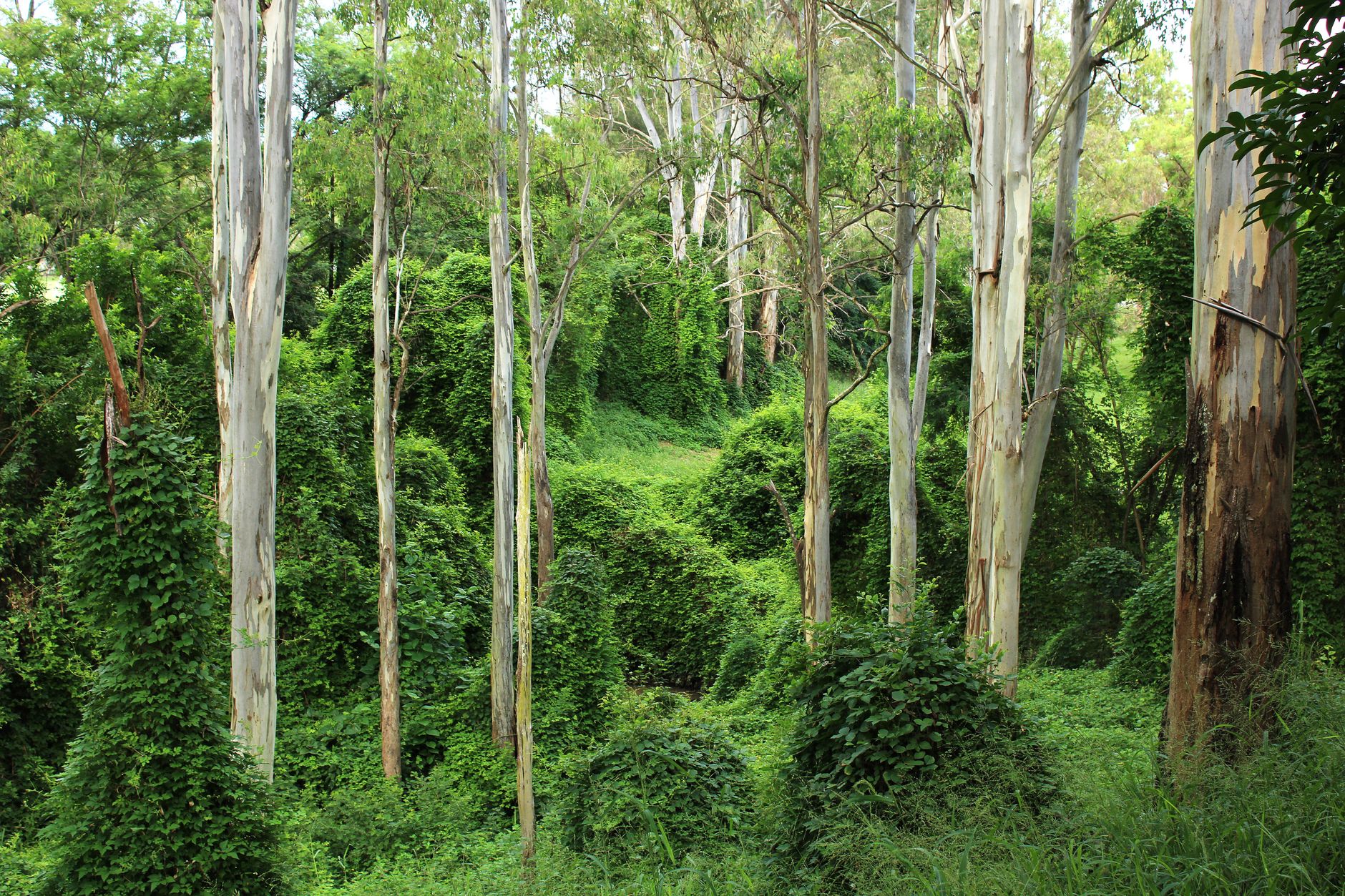
In the throes of World War II, desperation often breeds innovation. Yet, as history has shown, not all innovations are without their thorns. During the war, Australia found itself in dire need of rubber, a critical material for military operations. In a bid to mitigate the shortage, the country turned to the Madagascar rubber vine, a plant known for its latex-producing capabilities.
Initially hailed as a strategic masterstroke, the introduction of the rubber vine to Australia was driven by necessity. With global supply chains disrupted by the war, the Allies were scrambling for alternatives. The vine, imported from Madagascar, appeared to be a promising solution. It was planted extensively in Queensland, where conditions seemed favourable.
A Wartime Fix with Lasting Consequences
However, as peace settled post-war, it became glaringly evident that the vine was not content with its role as a mere substitute for rubber trees. Instead, it thrived, spreading rapidly across the landscape, far beyond its intended confines. The very qualities that made it an asset during the war—its resilience and rapid growth—rendered it a menace in peacetime.
By the 1950s, the rubber vine had transformed from a wartime ally to an ecological adversary. Invasive in nature, it began to smother native flora, altering habitats and threatening biodiversity. The vine's proliferation in Queensland was particularly problematic, as it encroached upon agricultural land and natural ecosystems.
Lessons from History
The story of the Madagascar rubber vine is a cautionary tale about the unintended consequences of human intervention in nature. It serves as a reminder of the delicate balance between innovation and environmental stewardship. While the vine's introduction was borne out of necessity, its aftermath underscores the need for careful consideration of ecological impacts.
Today, efforts continue to manage and control the spread of the rubber vine, but its legacy is a vivid illustration of how short-term solutions can lead to long-term challenges. As we confront contemporary environmental crises, this historical episode offers valuable insights into the complexities of ecological interventions.