
How Climate Change is Amplifying the Fury of El Niño
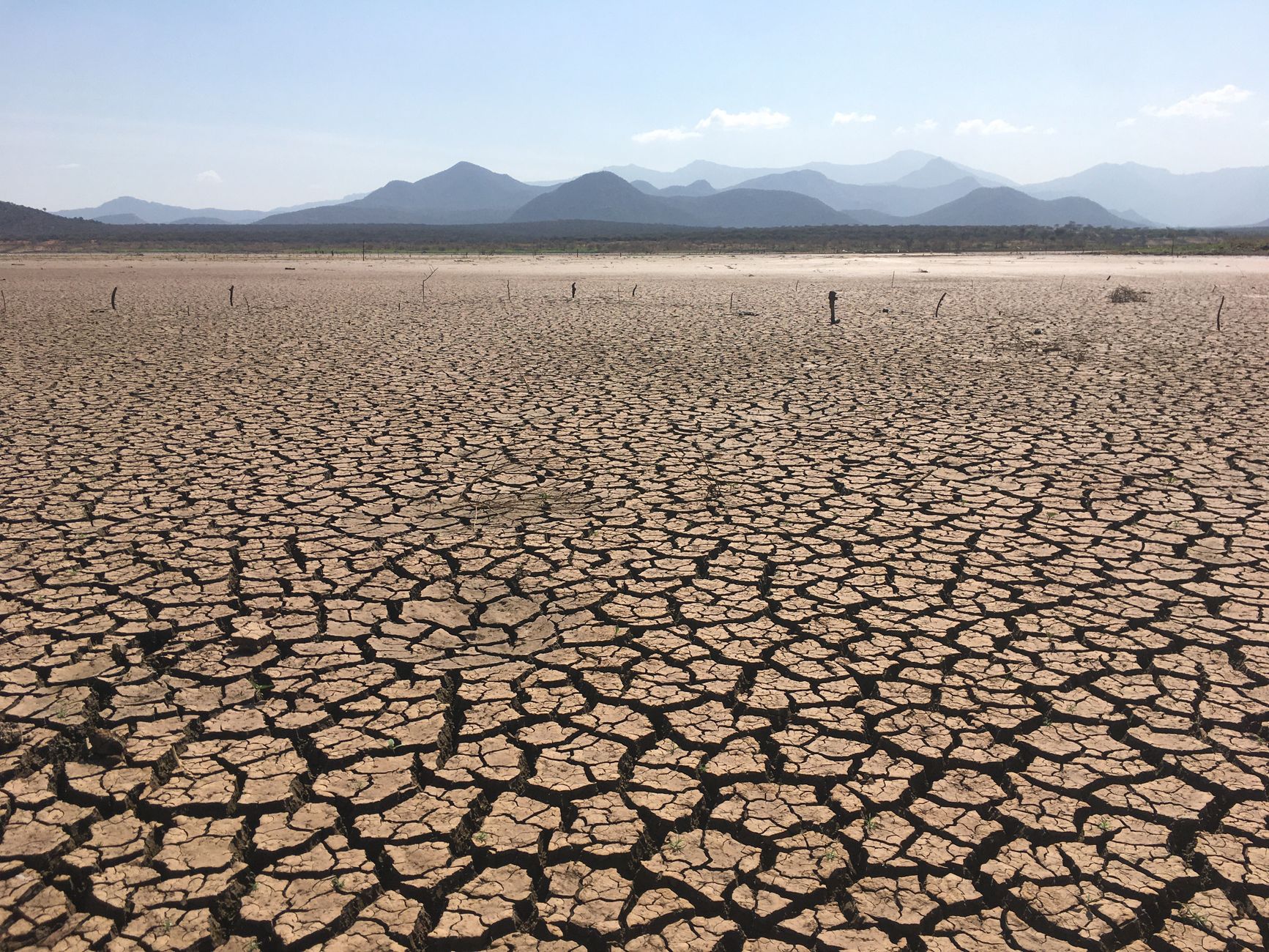
As the warm waters of the Pacific Ocean brew yet another El Niño event, scientists are sounding alarms more fervently than ever. This time, the phenomenon, known for its periodic climatic disruptions, is being supercharged by the relentless march of climate change.
Traditionally, El Niño occurs every two to seven years, when ocean temperatures rise in the eastern tropical Pacific. This warming triggers weather phenomena that can be felt thousands of miles away, from droughts in Australia to floods in South America. However, this year, the stakes are considerably higher.
The Climate Change Connection
Recent studies have highlighted the bidirectional relationship between El Niño and global warming. The phenomenon itself contributes to temporary spikes in global temperatures, but it's the influence of human-induced climate change that is making these events more potent. Warmer atmospheric temperatures exacerbate El Niño's effects, leading to more extreme weather conditions.
Dr. Emily Thompson, a climatologist, points out, "We're witnessing El Niño events that are not only more frequent but also more intense. The added energy from climate change is akin to pouring fuel on a fire." This has raised concerns among governments and aid workers about the preparedness of communities to cope with the potentially devastating impacts.
Global Repercussions
The implications of a supercharged El Niño are vast. In South America, predictions of heavier rainfall could lead to catastrophic flooding. In contrast, regions like Southeast Asia and Australia may face severe droughts, threatening food security and water supplies.
Global organisations are already mobilising resources to aid affected areas. However, the unpredictability of this year's El Niño makes it challenging to prepare adequately. "We're in uncharted territory," admits Dr. Thompson. "The models can only predict so much, and the rest is up to nature."
As the world grapples with this amplified natural phenomenon, the urgent need for comprehensive climate action becomes ever clearer. El Niño's wrath serves as a stark reminder of the interconnectedness of global weather systems and the pressing need to address the root causes of climate change.


