Huawei's Chipmaking Breakthrough Aims to Bypass US Sanctions
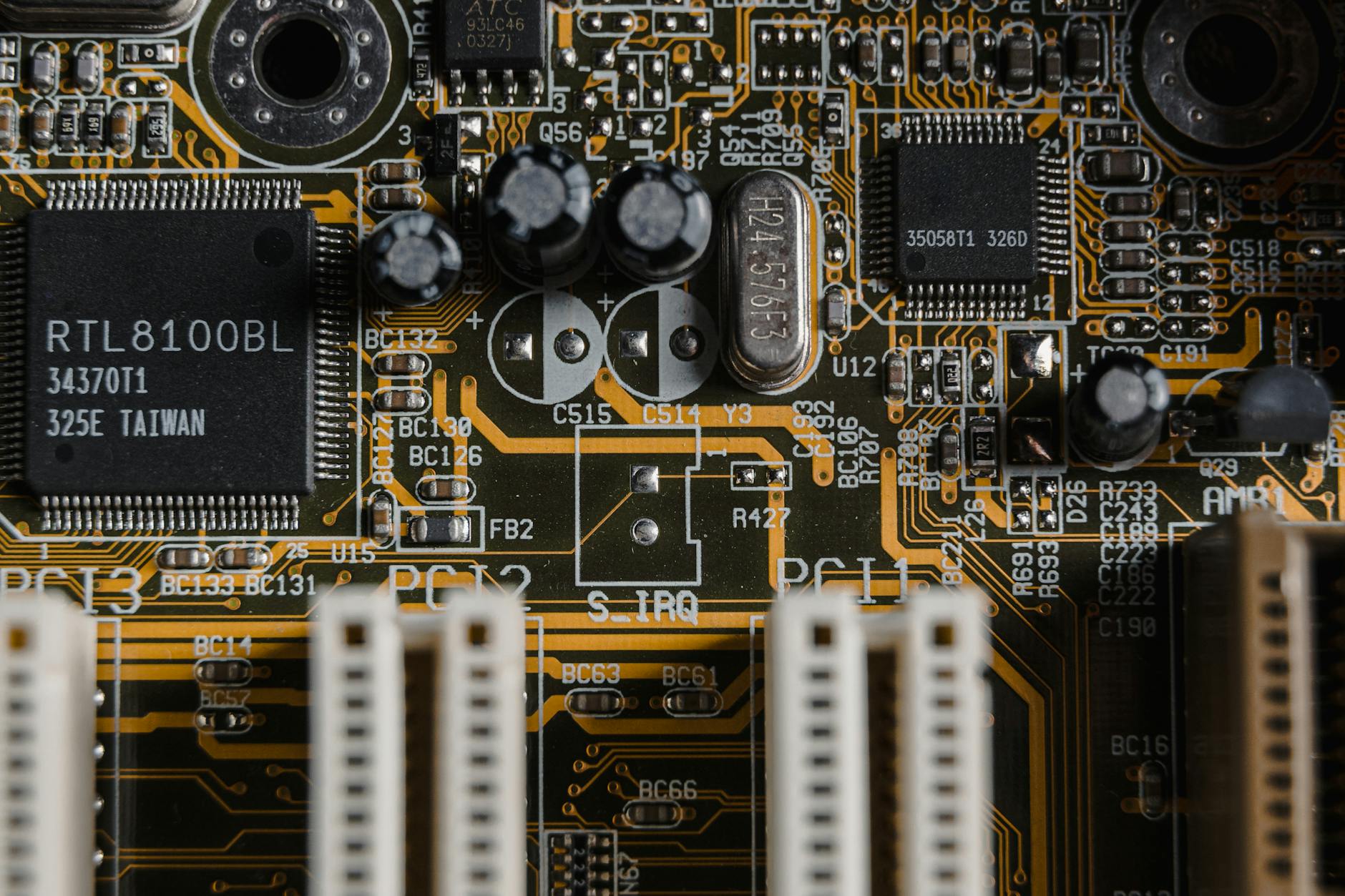
In a move that could redefine the semiconductor landscape, Huawei announced on Monday its latest breakthrough: a new method for manufacturing semiconductors that could potentially circumvent the crippling US sanctions on advanced chipmaking technology. As the sun set over Shanghai, the Chinese tech behemoth revealed its plans to chart a new course in the industry.
These sanctions, which have severely restricted Huawei's access to cutting-edge American equipment, were imposed amid escalating tensions between the US and China. They aimed to curtail China's rapid technological advancement, but Huawei's announcement suggests a turning of the tide.
A Strategic Shift
The development underscores Beijing's strategic shift towards self-reliance in technology. By investing heavily in research and development, China aims to reduce its dependency on foreign technology—a dependency that has been exposed as a vulnerability in the current geopolitical climate.
Huawei's new method, details of which remain under wraps, could allow the company to produce industry-leading semiconductors within five years. This timeframe is ambitious, yet it reflects a determination to regain its footing in the global market, where semiconductors are as crucial as oil once was.
Global Implications
The potential impact of this development extends far beyond Huawei or even China. The global semiconductor supply chain, already under strain from pandemic-related disruptions and geopolitical tensions, could see further shifts. Western companies, long dominant in this field, may find their leadership challenged as Chinese firms close the technological gap.
Critics in the West argue that such advancements could lead to increased competition and potential security concerns, as chips form the backbone of everything from smartphones to military systems.
Amidst these developments, the world watches closely. As Huawei steps into this new era, its success or failure could influence global technological dynamics for years to come.