
Hubble Unveils Mysterious Decagon at Saturn's South Pole
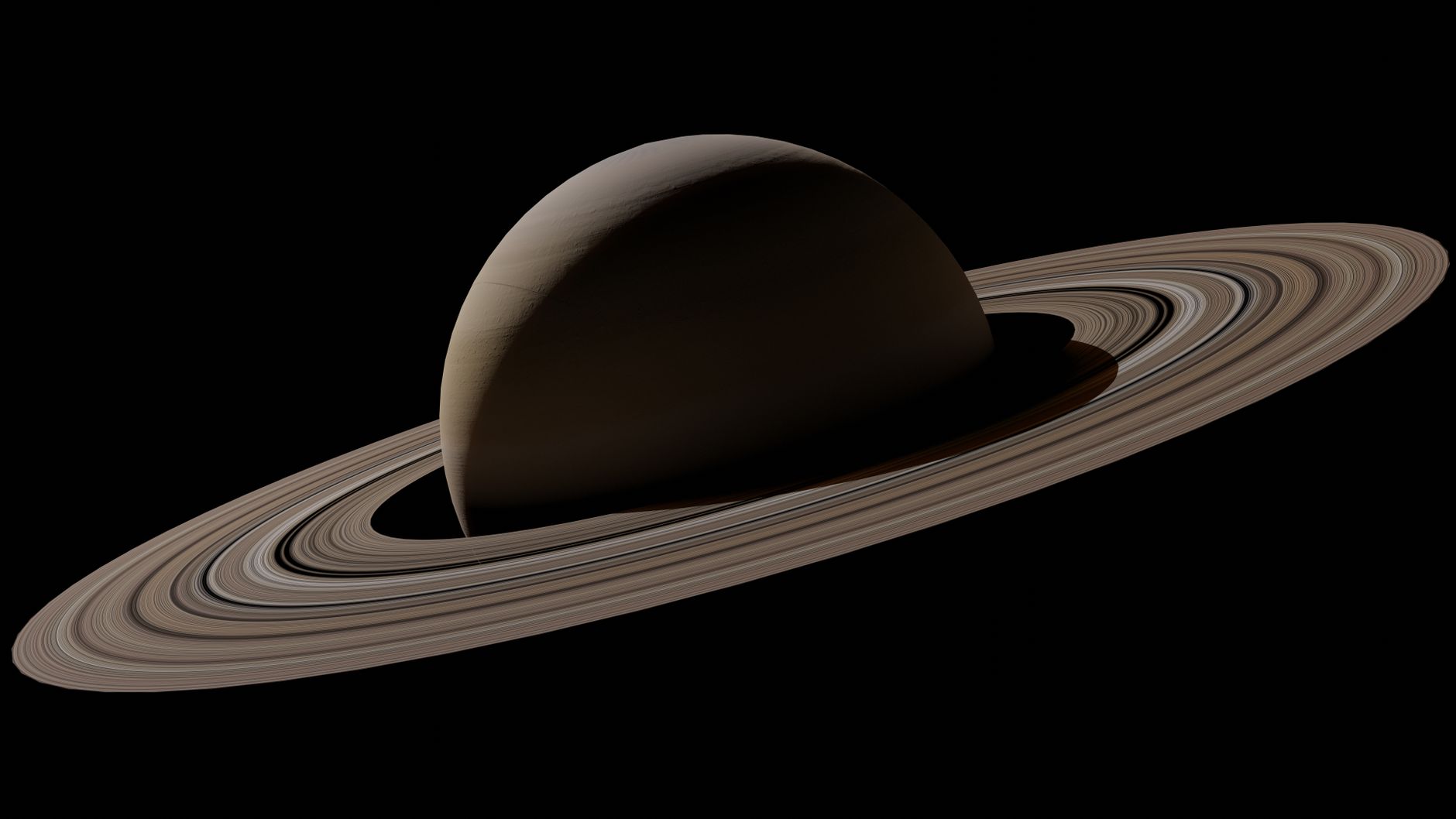
In a celestial ballet of geometry and gas, Saturn's south pole has revealed a new phenomenon that has astronomers buzzing with excitement. The Hubble Space Telescope, a joint mission by NASA and the European Space Agency, has captured extraordinary images of a decagon-shaped wave encircling the gas giant’s southern extremity.
This discovery marks a significant addition to our understanding of Saturn's atmospheric dynamics. For decades, scientists have been captivated by Saturn's northern hexagon, a six-sided jet stream that has puzzled researchers since its discovery in the early 1980s. Now, the south pole's decagon offers a potential counterpart, sparking debate and wonder among the astronomical community.
The Enigma of Saturn's Atmosphere
Professor Agustín Sánchez-Lavega, a leading figure in planetary atmospheres, expressed astonishment at the symmetry of Saturn's jet stream systems. "Given Saturn's symmetry in its north-south jet stream system, we have been searching for a counterpart to Saturn's northern hexagon on the south pole in Hubble images since 1990," Sánchez-Lavega commented. The decagon, a relatively new phenomenon, extends through multiple atmospheric layers, suggesting complex underlying processes.
Saturn, the second-largest planet in our solar system, is predominantly composed of hydrogen and helium, with its atmospheric patterns driven by rapid rotation and complex internal dynamics. The discovery of this ten-sided feature highlights the intricate and still largely mysterious nature of such gas giants.
Implications for Future Research
The implications of this discovery are profound. It not only challenges existing models of planetary atmospheres but also provides a fresh avenue for research into the atmospheric physics of gas giants. As scientists delve deeper into this mystery, they hope to unlock secrets about the formation and stability of such geometric patterns.
While the decagon's precise origins remain elusive, the findings underscore the importance of continuous observation and exploration of our celestial neighbours. With every revelation, we inch closer to understanding the vast, dynamic systems that govern our solar system's planets.


