
Human Brain Cells Thrive in Mice, Opening New Avenues in Research
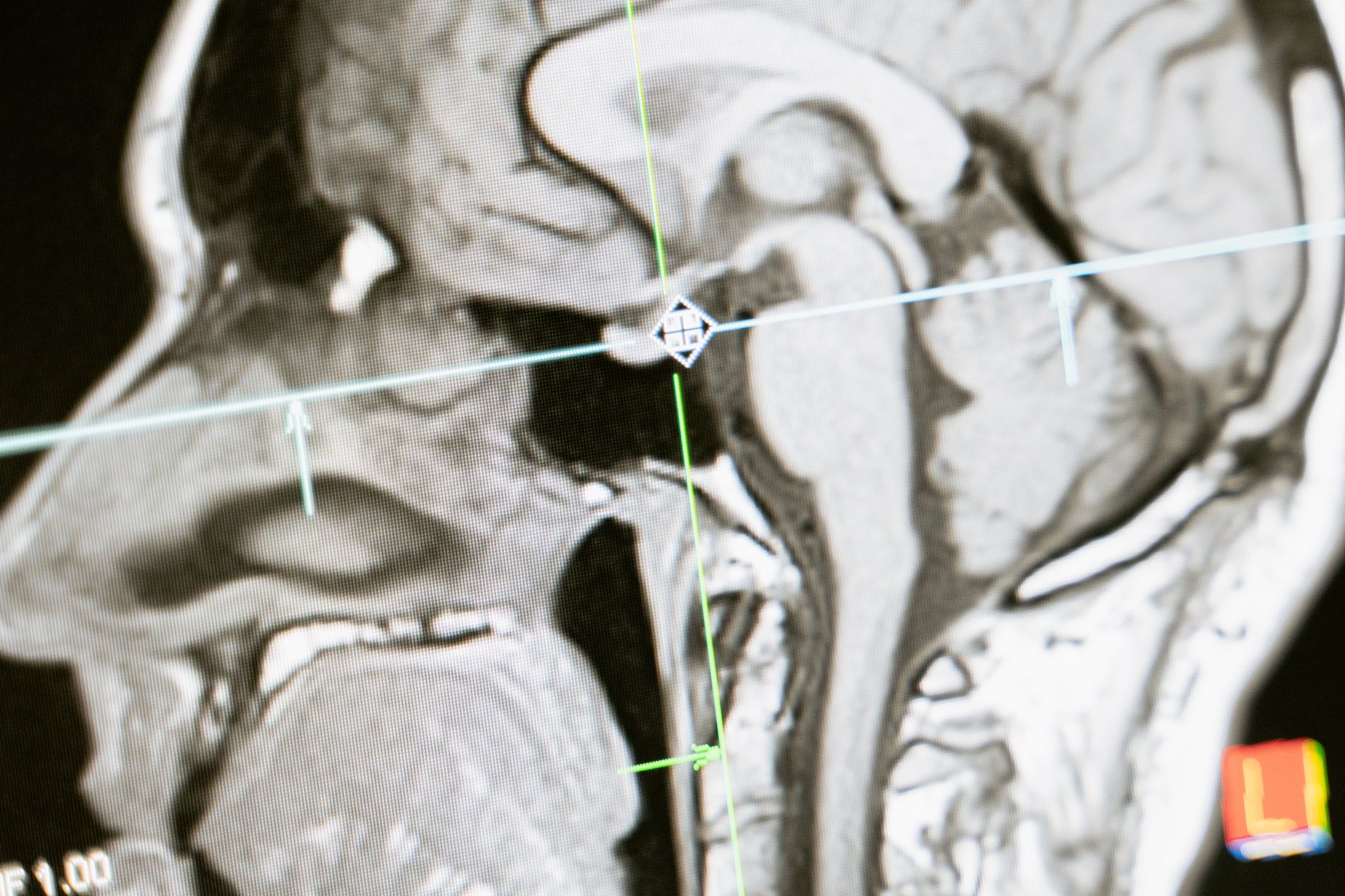
In an audacious experiment that skirts the boundary between scientific innovation and ethical conundrum, researchers at Stanford University have successfully integrated human brain tissue into the brains of mice. The study, which seeks to unravel the complexities of human neurological diseases, has transplanted human brain organoids into mice that had their cortex significantly reduced.
The method, though seemingly outlandish, is rooted in a practical inquiry: how can we better model human brain diseases in animals? The human cortical grafts were observed extending nerve fibres into the mouse brain, establishing connections that mimic those found in human brains. This novel approach might just be the key to unlocking answers to some of the most perplexing questions about brain disorders.
Scientific and Ethical Implications
While the scientific community has largely applauded the ingenuity of the research, it has also ignited a debate on the ethical ramifications of such experiments. The potential to study human brain diseases in a living organism that closely replicates human neurological pathways is undeniably promising. However, the moral implications of creating an organism that is part human, part mouse cannot be ignored.
Critics argue that this line of research could lead to unforeseen consequences, both scientifically and ethically. The possibility of mice developing human-like cognitive abilities, albeit theoretical at this stage, raises questions about the sanctity of human brain tissue and its use in animal models.
Bridging the Gap
The challenge of understanding diseases like Alzheimer's and other neurodegenerative conditions has long been hampered by the lack of suitable models. Traditional animal models fail to capture the intricate complexities of human brain functions. By integrating human brain cells into mice, researchers hope to create a more accurate representation of human brain diseases, potentially leading to breakthroughs in treatment.
As the scientific community continues to explore these uncharted territories, the balance between scientific progress and ethical responsibility will remain a focal point of discussion. The road ahead is fraught with questions, but the potential to revolutionise our understanding of the brain is a compelling incentive to proceed, albeit cautiously.


