Human Brain Tissue Thrives in Mice: A Scientific Breakthrough
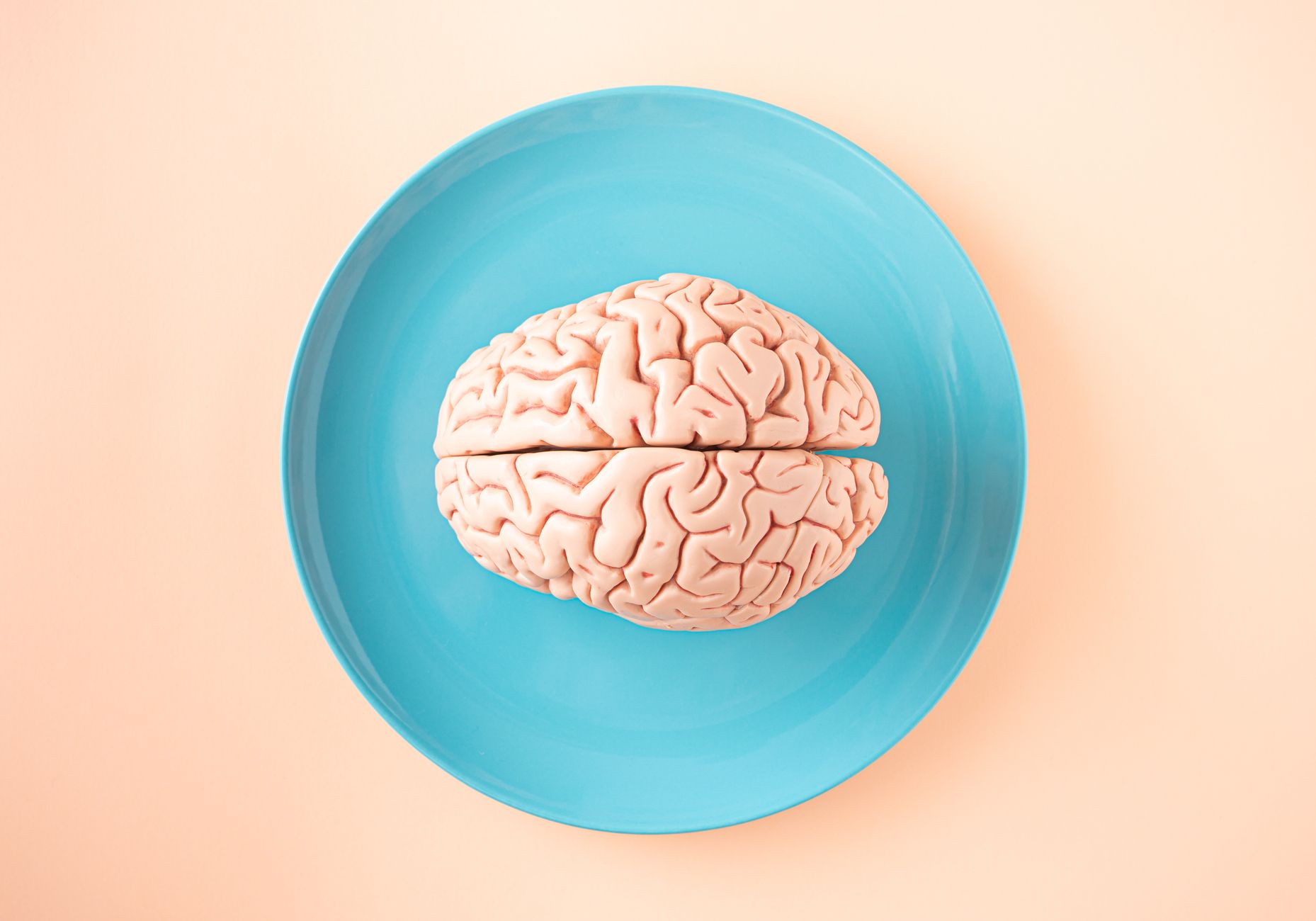
In what might be considered one of the most audacious scientific endeavours of recent years, researchers have successfully cultivated human brain tissue inside mice. This bold experiment, conducted by a team at Stanford University, involved transplanting human brain organoids into mice that were missing most of their cerebral cortex. The result? A living model that mirrors aspects of the human brain, complete with working neural connections.
The implications of this study are as profound as they are complex. On the one hand, it opens up unprecedented avenues for understanding neurological diseases. Researchers can now observe how human brain tissue behaves in a living organism, offering clues to conditions such as Alzheimer's and Parkinson's which have long baffled scientists. On the other, it raises significant ethical questions about the boundaries of scientific experimentation.
Scientific Breakthrough or Ethical Quandary?
The researchers were able to observe the human tissue not only surviving but thriving within the mice. The organoids developed functional connections to the mice's neural networks, extending fibres into the brain and beyond to the spinal cord. This remarkable integration suggests that the human tissue is capable of influencing the host's nervous system.
While the scientific community has hailed the experiment as a breakthrough, it also faces scrutiny. The ethical implications of creating hybrid creatures, even at the cellular level, cannot be ignored. Where should the line be drawn between scientific progress and ethical responsibility?
Future Directions
Despite the ethical dilemmas, the potential benefits of this research are immense. By utilising this model, scientists can explore the cellular mechanisms underpinning brain diseases, potentially leading to new treatment strategies. It also provides a platform to test the effects of drugs on human brain tissue in a controlled environment.
As the debate continues, one thing remains certain: this study marks a significant step in neuroscience. It challenges our understanding of the human brain and offers a glimpse into a future where brain disorders might be better understood and treated.