Human Influence Alters Genetic Mosaic of India's Dengue Mosquitoes
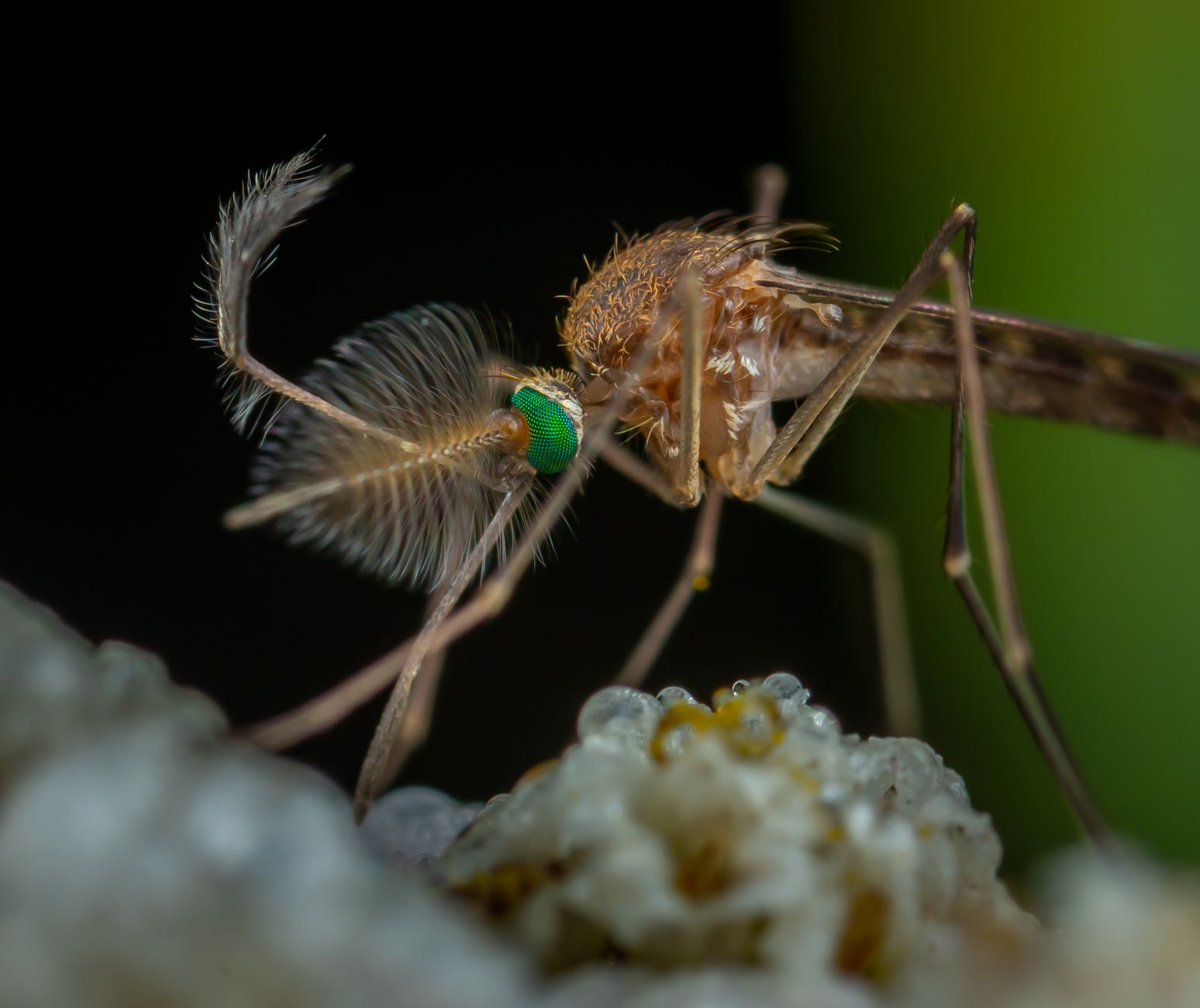
The war against dengue, a formidable adversary in India, has taken an intriguing turn. A recent study has illuminated the profound impact of human activity on the genetic diversity of Aedes mosquitoes, the notorious carriers of not just dengue, but also chikungunya and Zika.
These mosquitoes, it appears, have been dancing to the tunes of urban expansion and human migration. Urban centres, bustling with activity, have inadvertently shaped the mosquitoes' genetic fabric, allowing greater gene exchange. In contrast, regions with restricted human movement present a different genetic tapestry, with mosquitoes displaying less genetic flow.
Dr. Kavita Sharma, a leading entomologist, explains, "Our cities are like giant Petri dishes. They foster genetic mixing among mosquito populations, which can complicate control efforts. Yet, they also offer unique opportunities for targeted interventions."
The Urban Influence
India's burgeoning metropolises serve as both crucibles and barriers for mosquito movement. While the dense networks facilitate genetic mingling, they also pose challenges. The urban sprawl can disrupt traditional breeding patterns, but it can also enable rapid adaptation to new environments and control measures.
Understanding these dynamics is not merely academic. With 34 million infections annually, dengue poses a significant public health challenge. The study's insights into mosquito genetics could illuminate pathways for more effective vector control strategies, particularly in rapidly urbanising contexts.
Implications for Public Health
The implications of these findings are far-reaching. As Dr. Sharma notes, "Vector control needs a paradigm shift. We must consider the genetic landscape of mosquitoes shaped by human activity." The conventional reliance on insecticides, often plagued by resistance issues, might need to be complemented with innovative approaches tailored to specific urban settings.
With no licensed vaccines for dengue, chikungunya, or Zika, managing the vectors remains paramount. The study underscores the urgency for integrated vector management strategies, especially in densely populated areas where human and mosquito interactions are inevitable.
As India's urban jungles continue to expand, the battle against mosquito-borne diseases demands both vigilance and innovation. The genetic map of Aedes mosquitoes, now etched by human hands, offers a new frontier in this enduring struggle.