
Human Influence Reshaping Genetic Diversity of Mosquitoes in India
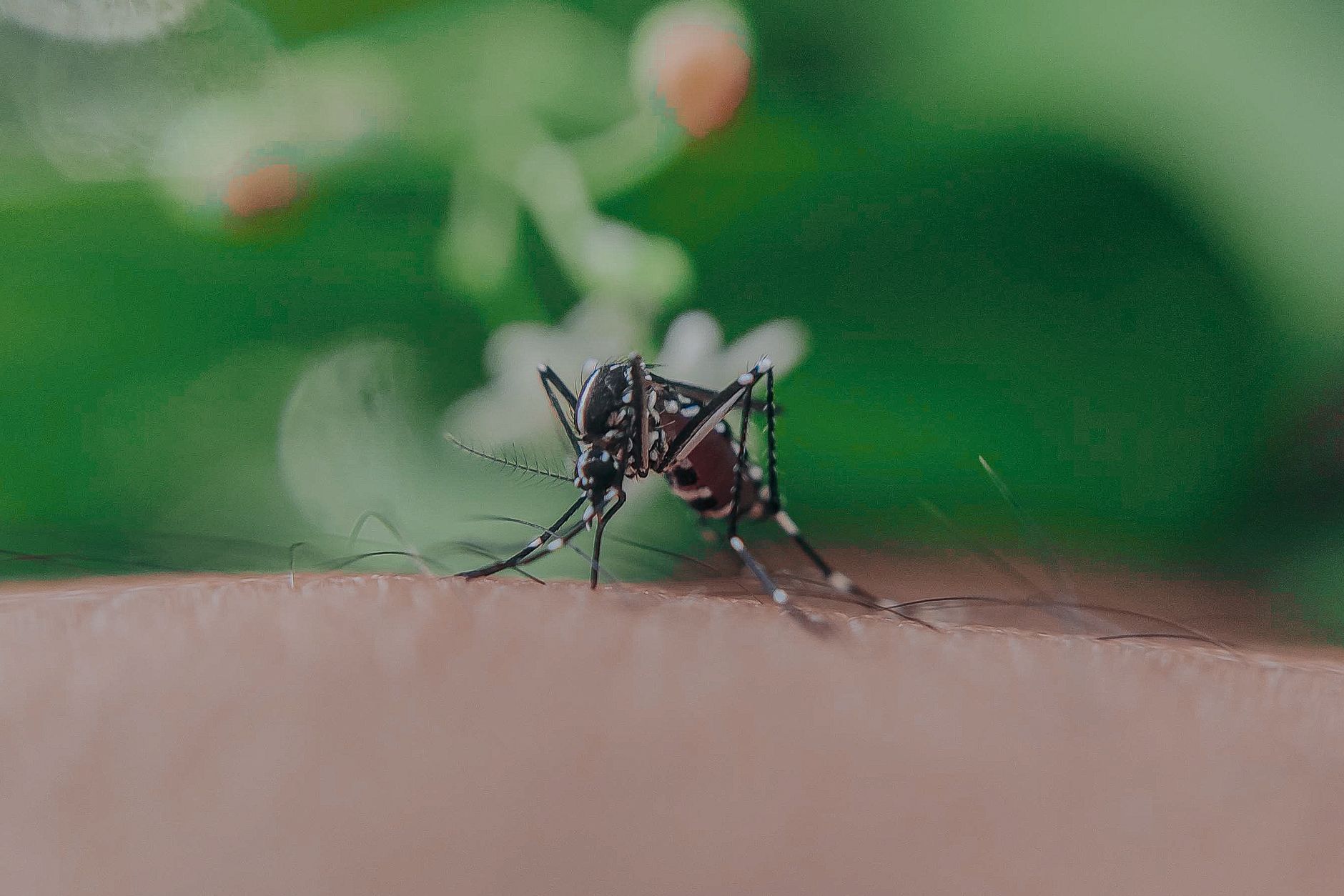
In the bustling urban landscapes of India, where the hum of human activity never quite fades, another kind of movement is causing concern. Recent scientific findings suggest that human actions are reshaping the genetic diversity of Aedes aegypti mosquitoes, the notorious carriers of dengue, chikungunya, and Zika viruses.
The study, which examined mosquito populations across various urban centres, found that the gene flow among these insects is significantly influenced by human movement. In cities where people travel frequently and over long distances, mosquitoes exhibit greater genetic mixing. Conversely, in areas where human movement is restricted, mosquito populations tend to remain genetically isolated.
The Urban Influence
Urbanisation, with its sprawling concrete jungles, appears to be a double-edged sword. On one hand, it provides mosquitoes with a plethora of breeding grounds in the form of stagnant water patches, while on the other, it facilitates their movement across regions, thereby increasing the spread of genetic traits. This genetic diversity can lead to more robust mosquito populations that are harder to control through conventional vector management strategies.
The implications of these findings are profound. As India's urban areas continue to expand, understanding the genetic dynamics of mosquito populations becomes crucial. Traditional methods of vector control, such as insecticide spraying, may not be as effective if mosquitoes can rapidly develop resistance through genetic variability.
Public Health Challenge
India's struggle with dengue is well-documented. The World Health Organisation estimates that dengue infects between 50 and 100 million people annually worldwide, with a significant portion of these cases occurring in India. Yet, despite the high infection rates, there remains no licensed vaccine or therapeutic treatment available.
The study underscores the importance of integrating genetic research into public health strategies. By tailoring mosquito control methods to the specific genetic makeup of local populations, health authorities can devise more effective interventions.
The need for innovative approaches has never been clearer. As urban centres grow and human movement becomes ever more dynamic, the battle against mosquito-borne diseases requires not only traditional methods but also a keen understanding of the genetic landscape shaped by our own activities.


