
Human Resilience: The Science Behind Surviving Disasters
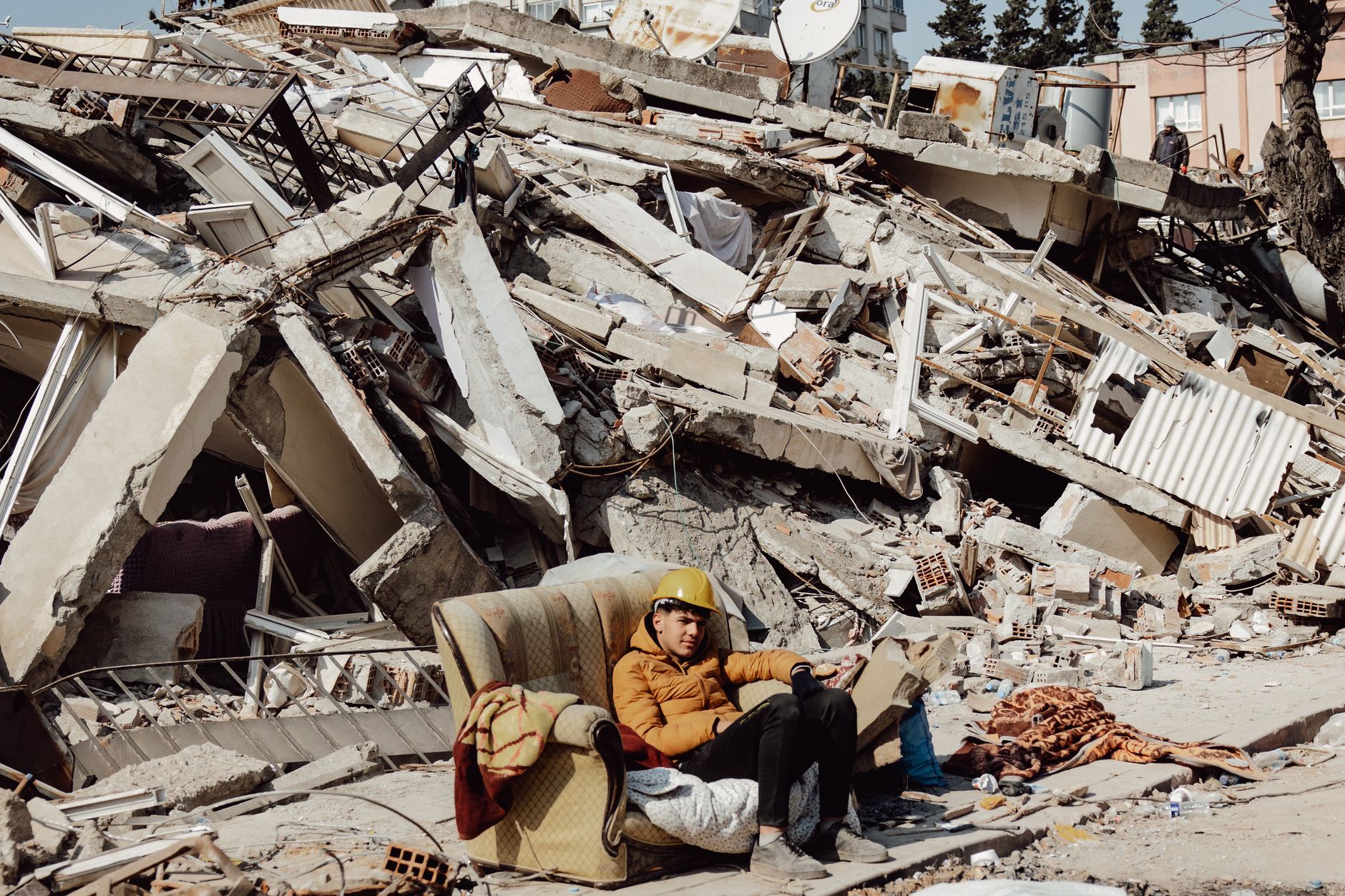
In the chilling silence that follows an earthquake's roar, the real struggle for life begins. Trapped beneath tonnes of concrete and steel, survival becomes a harrowing dance between hope and despair. The science of human survival under such conditions reveals not only the limits of physical endurance but also the remarkable resilience of the human spirit.
History is replete with tales of extraordinary survival. Take, for instance, the woman who miraculously lived for 17 days beneath earthquake debris, sustained only by the grim necessity of drinking her own urine. Such stories, though rare, underscore the astonishing capabilities of the human body to adapt and overcome in the direst of circumstances.
The Role of Psychology
While the physical challenges are immense, the psychological battle is equally daunting. Trapped individuals often cling to memories of loved ones or dreams of rescue. Experts suggest that maintaining a hopeful mindset can be as crucial as any physical survival strategy. The will to live, after all, can drive individuals to find ingenious solutions to seemingly insurmountable problems.
Dehydration and lack of food are immediate concerns, yet the human body can endure quite a bit. With proper hydration, people can survive without food for weeks. However, the mental toll of isolation and fear can erode hope, making psychological resilience a key factor in survival.
Understanding the Limits
Scientific studies indicate that most people trapped under rubble have a survival window of about a week, depending on injuries and environmental conditions. Yet, each disaster rewrites the rules as new tales of survival emerge, defying the odds and challenging our understanding of human potential.
For rescuers, these stories provide invaluable lessons. They offer insights into what sustains life in such extreme conditions and push the boundaries of search and rescue techniques. In the aftermath of disasters, these lessons are crucial, offering a glimmer of hope amidst the devastation.
Ultimately, the science of survival underpins a fundamental truth about human nature: our innate drive to survive against all odds. It is a testament to the resilience of the human spirit, a beacon of hope even when buried beneath the weight of the world.


