Hydrogen Train on Sonipat-Jind Route Heralds New Technological Era
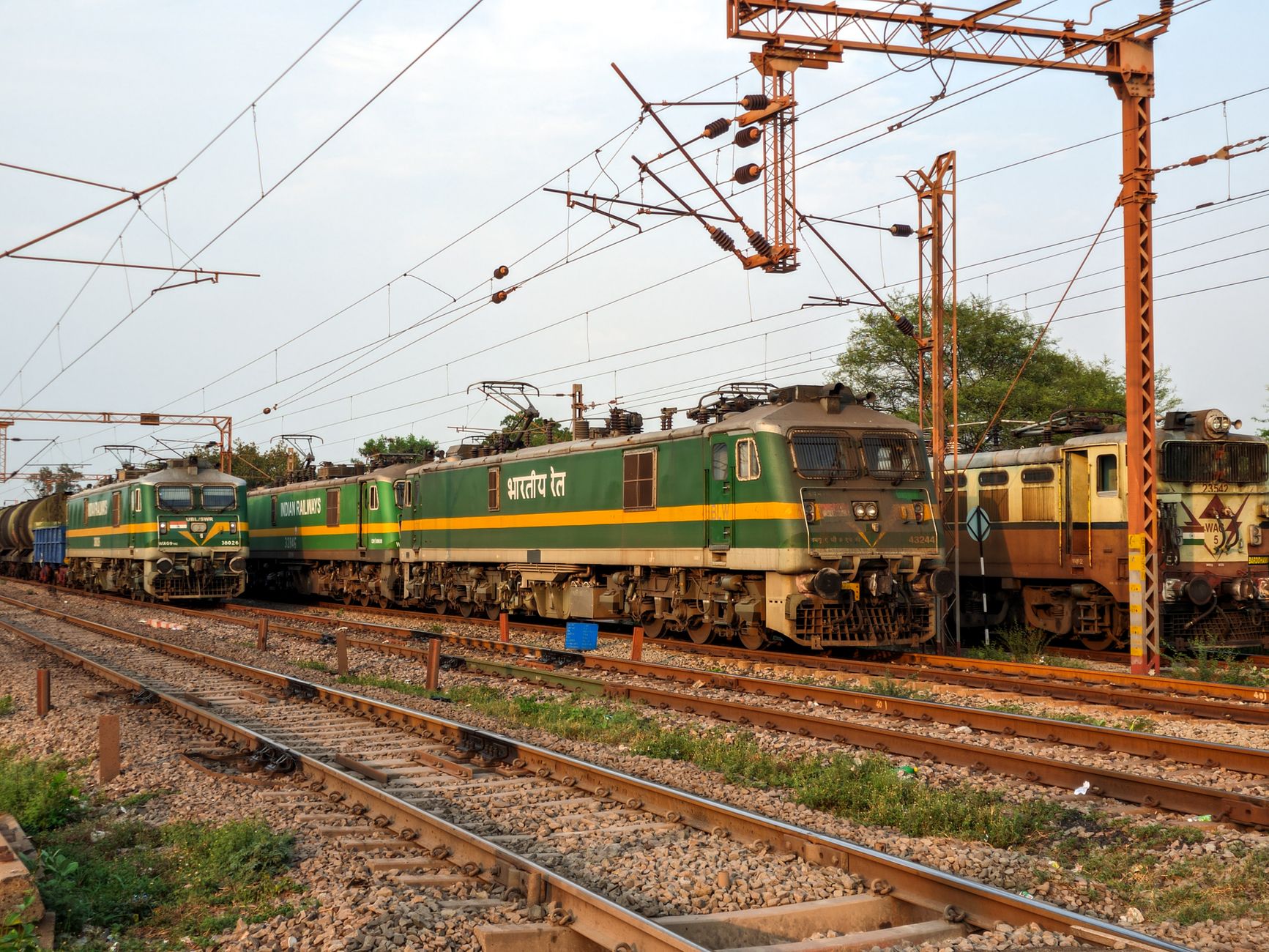
In the dusty plains of Haryana, a gleaming symbol of progress quietly hums along the tracks. The Sonipat-Jind hydrogen train, spanning an 89-kilometre route, is more than a mere transportation solution for thousands of daily commuters. It represents a bold step forward in the quest for sustainable rail travel.
Powered by hydrogen fuel cells, this train is a marvel of modern engineering. Hydrogen gas, stored in high-pressure tanks, combines with oxygen from the air to produce electricity, which in turn drives the train's motors. The process is clean, emitting only water vapour and heat, a stark contrast to the carbon-heavy emissions of traditional diesel engines.
A Global Pioneer
As the world's longest hydrogen-powered passenger train, the Sonipat-Jind service is a testament to India's growing prowess in green technology. With a capacity to carry 2,600 passengers across its ten coaches, this train is not just about length but also about impact. It challenges the conventional narrative of railway innovation, placing India alongside European nations that have pioneered hydrogen trains in recent years.
Running through the heartland of Haryana, the train also promises economic benefits. By reducing reliance on imported fossil fuels, it offers a glimpse into a future where India could potentially become a leader in hydrogen technology, with ripple effects across its industrial landscape.
Challenges and Opportunities
However, the journey is not without its challenges. Hydrogen infrastructure remains nascent in India, and the costs associated with producing and storing hydrogen are considerable. Yet, the Sonipat-Jind train could be the vanguard of a larger movement towards green energy solutions.
As nations worldwide grapple with climate change, India's hydrogen train is a reminder of the possibilities within reach. It signals a shift not just in transportation, but in how societies can adapt and innovate in the face of environmental imperatives.
In the future, the Sonipat-Jind hydrogen train may be remembered not for the 89 kilometres it covers, but for the technological journey it inspired, setting India on a path towards a more sustainable future.