Hydrogen Train Sparks New Era in Indian Rail Technology
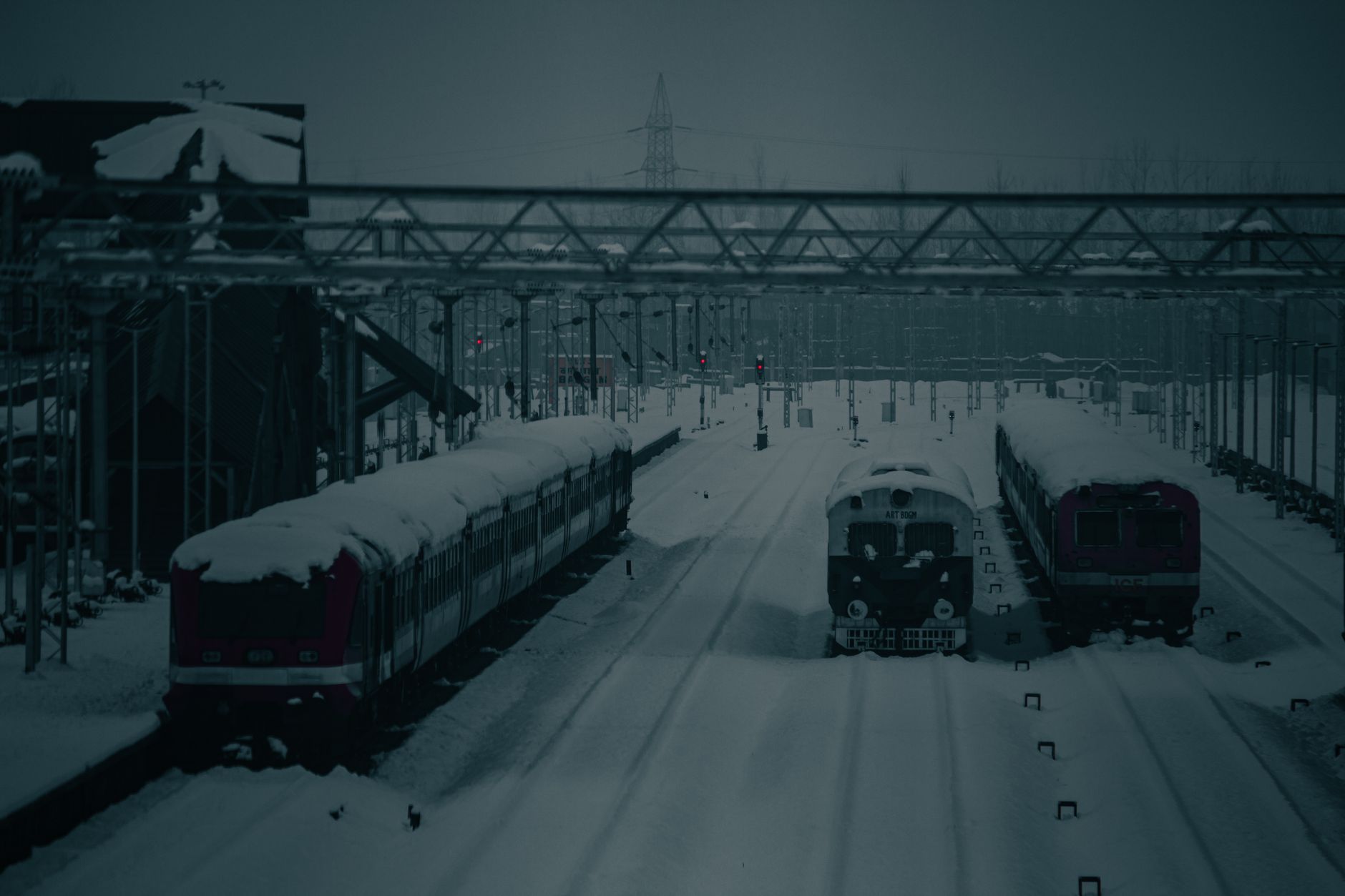
In the quiet hum of the Sonipat-Jind route, a train journey unfolds that might very well be remembered not for the mere 89 kilometres it traverses but for the technological odyssey it initiates. Inaugurated by Prime Minister Narendra Modi, India’s first hydrogen-powered train has already made significant strides, covering an impressive 900 kilometres in its initial days of operation.
This train, a marvel of engineering and environmental foresight, replaces traditional diesel engines with cutting-edge hydrogen-electric propulsion systems. As a result, it emits nothing more than water vapour, setting a new standard in zero-emission travel. It’s a significant step for a nation that has long grappled with air pollution and carbon emissions, positioning India among the few countries embracing hydrogen technology in rail transport.
A Technological Leap
While the route between Sonipat and Jind is modest in distance, the implications of this venture are anything but. The hydrogen train embodies a broader push towards sustainable and environmentally friendly transport solutions, a move that could redefine how India approaches its vast railway network, one of the largest in the world.
India's foray into hydrogen technology is not merely an attempt to keep pace with global trends but a strategic choice to lead in sustainable innovation. The utilisation of hydrogen fuel cells is a reflection of the country's commitment to reducing its carbon footprint and advancing toward cleaner energy sources.
Challenges and Opportunities
However, the path is not without its challenges. The technology, while promising, demands substantial investment and infrastructure development. Producing hydrogen in a cost-effective and environmentally friendly manner is a hurdle that remains. Yet, the potential benefits—reduced greenhouse gas emissions, decreased reliance on fossil fuels, and the creation of new industrial sectors—make it a challenge worth undertaking.
The Sonipat-Jind hydrogen train is, in essence, a microcosm of a larger journey. It's a testament to India's ambition to blend tradition with innovation, to honour its rich railway heritage while embracing the future. As the train glides along the tracks, it carries with it not just passengers, but the hopes of a greener, cleaner tomorrow.