Iceland Seeks Indian Partnership in Geothermal Innovations
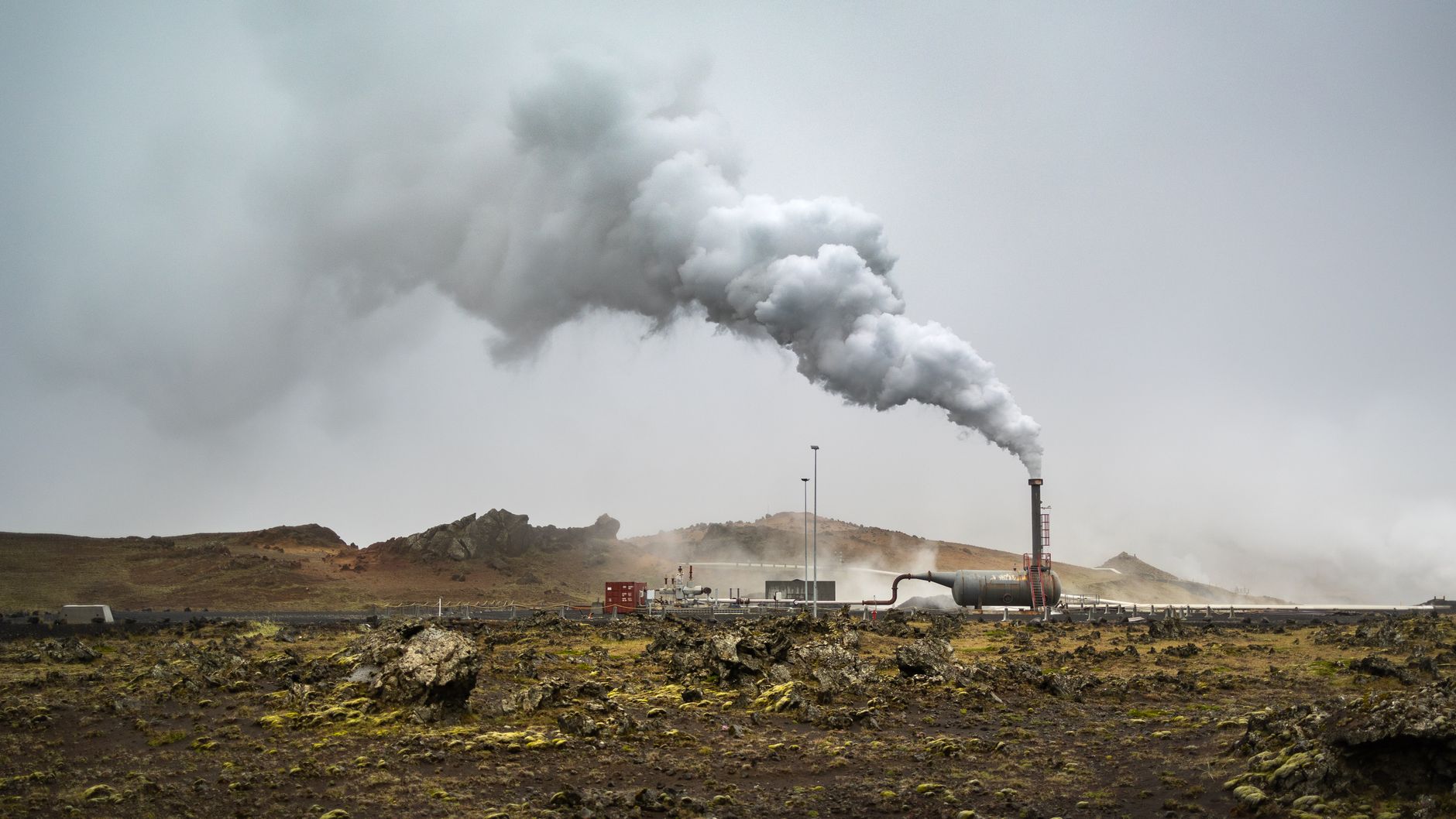
Iceland, a nation renowned for its geothermal energy resources, is making strategic overtures towards India, seeking collaboration on innovative energy solutions. Central to this pursuit is the 'carbon-to-stone' technology, a pioneering method of capturing and storing carbon dioxide by converting it into stone. This collaboration aims to address pressing global challenges such as climate change and energy sustainability.
Geothermal energy, a cornerstone of Iceland's energy strategy, offers a template for clean and sustainable power generation. With Iceland's expertise and India's burgeoning demand for energy, the partnership holds promise for both nations. By sharing technical know-how and resources, they hope to expand the scope of geothermal applications in India, which could significantly reduce carbon footprints.
Pioneering 'Carbon-to-Stone'
The 'carbon-to-stone' technique, developed by Icelandic company Carbfix, involves injecting CO2 into basalt rock formations where it mineralises, effectively turning into stone. This innovative approach not only promises to reduce atmospheric CO2 levels but also provides a scalable model for carbon storage worldwide.
India, grappling with high emissions from its fast-growing economy, stands to benefit immensely from such technology. By integrating this with its own carbon capture, utilisation, and storage (CCUS) efforts, India could make strides in meeting its climate commitments.
Regulatory and Technical Challenges
While the prospect of collaboration is enticing, both countries must navigate regulatory and technical hurdles. Iceland, with its robust regulatory framework for geothermal projects, brings valuable expertise to the table. However, adapting these frameworks to the Indian context will require careful negotiation and adjustment.
In the words of Katrín Ragnarsdóttir, a leading chemical engineer in Iceland, "The true challenge lies in tailoring geothermal solutions that suit India's unique geological and environmental conditions." Her sentiments underscore the complexity of transferring technology across diverse terrains and regulatory landscapes.
As these two nations converge on a shared path towards sustainable energy, the world watches with keen interest. Their success could set a precedent for international collaborations in renewable energy, offering a glimmer of hope in the fight against climate change.