IIT Roorkee's Political Advisory Sparks Debate, Followed by Clarification
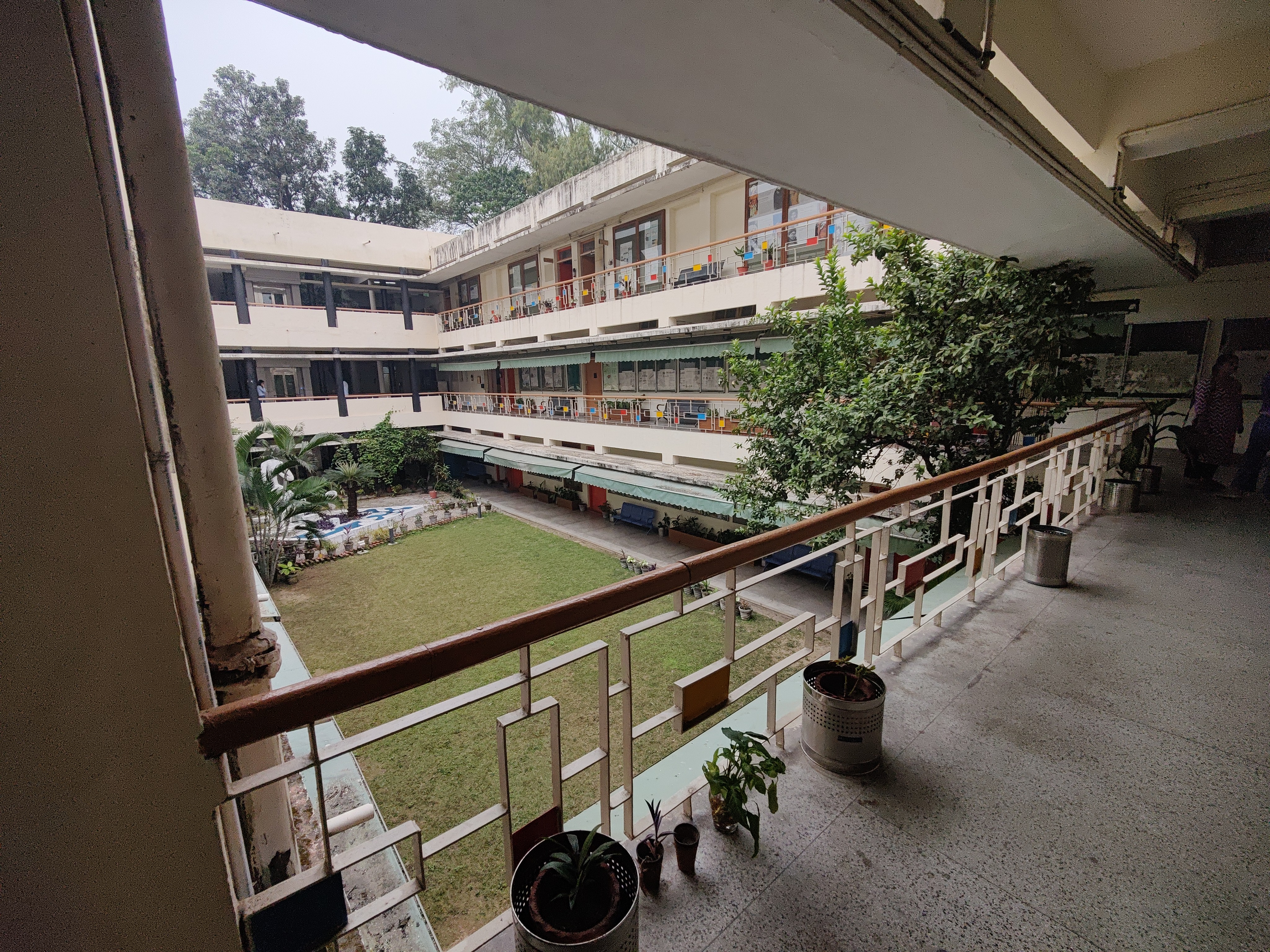
The Indian Institute of Technology Roorkee has found itself at the centre of a burgeoning debate following an advisory that cautioned students and staff against engaging in political activities without prior permission. The advisory, which is issued annually, aims to prevent public political statements that could potentially harm the institute's rapport with governmental bodies.
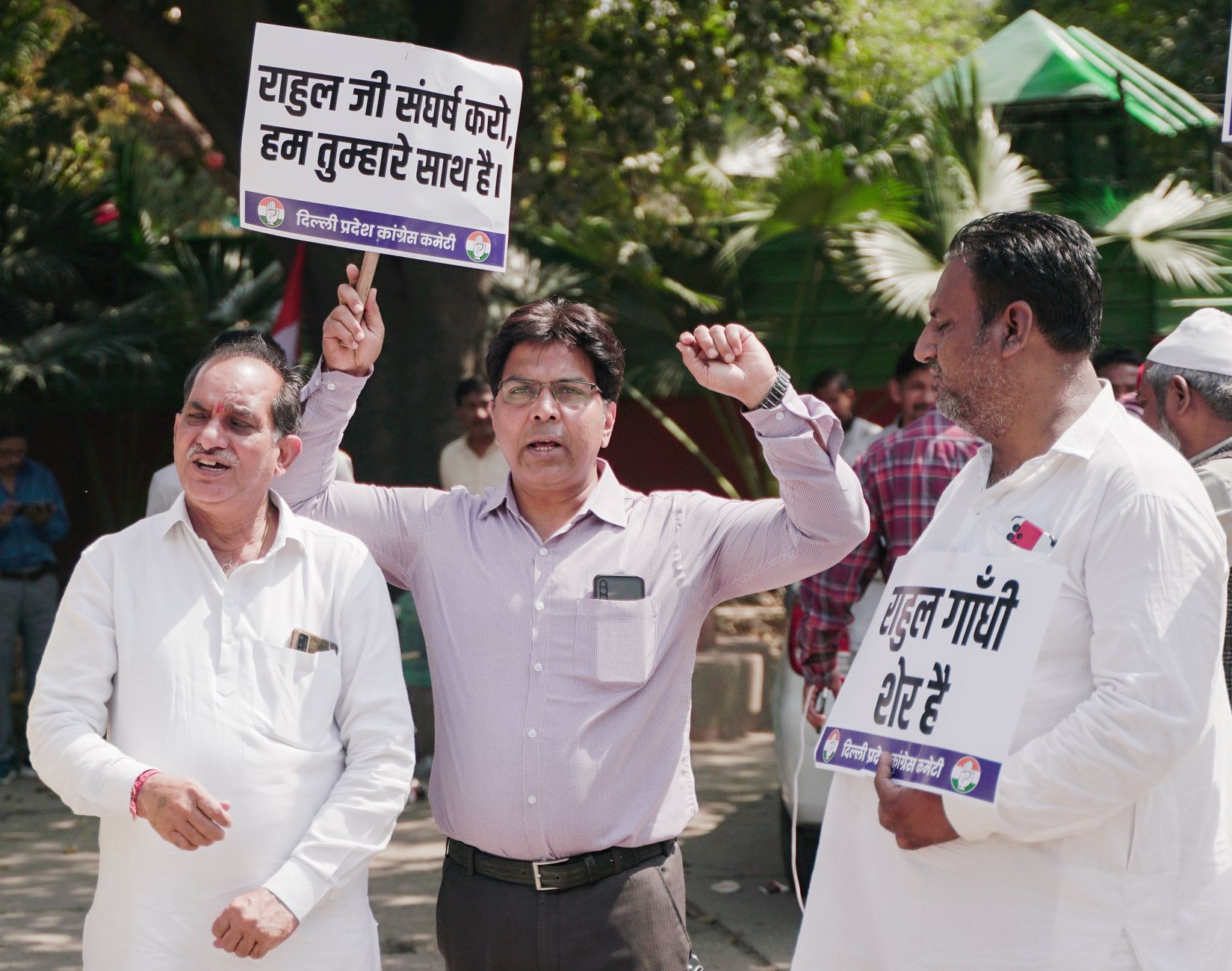
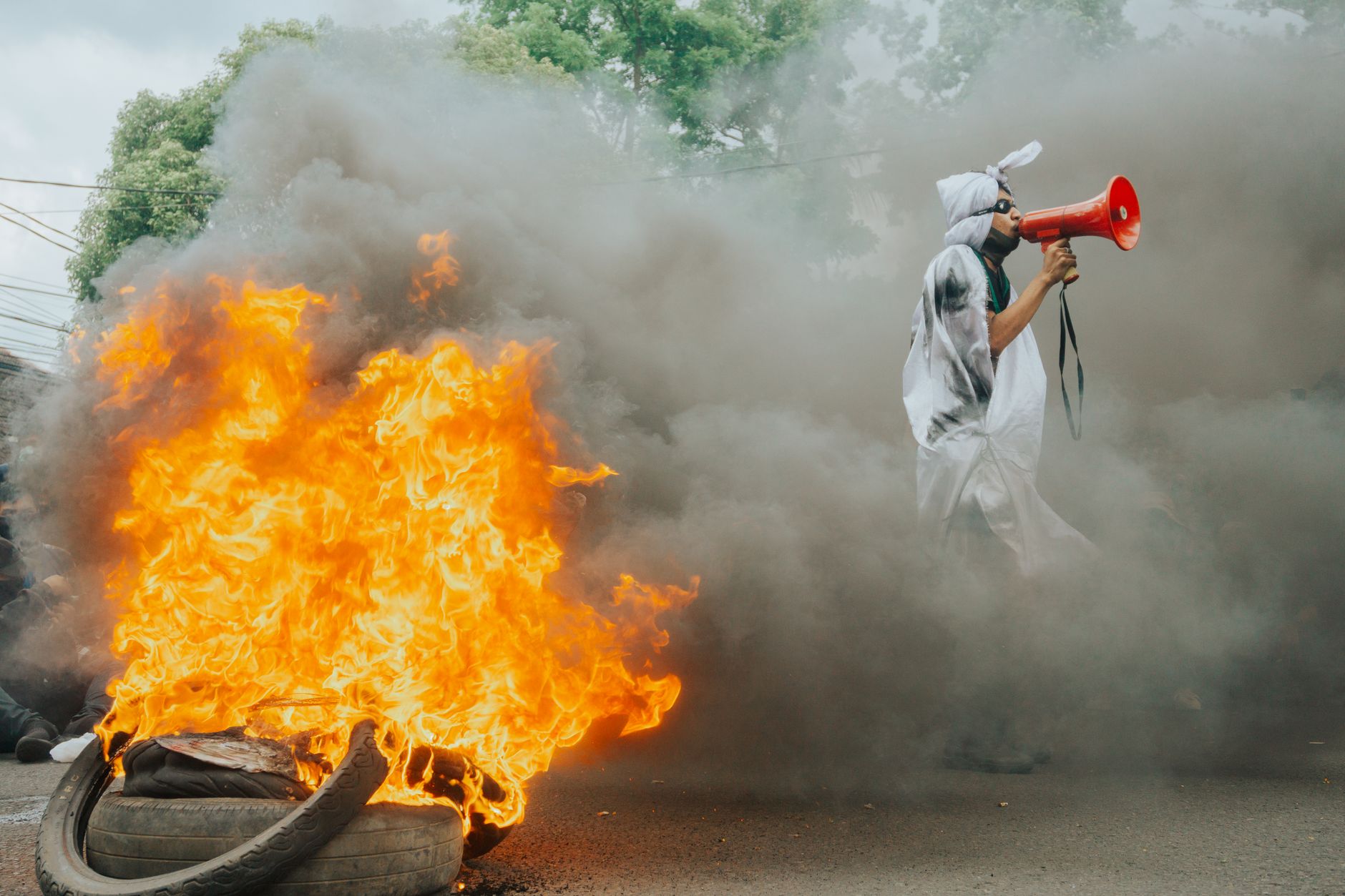
This year's advisory, however, struck a particularly sensitive chord, coinciding with a time of heightened political discourse across the nation. Social media platforms quickly lit up with discussions and criticisms, questioning the advisory's timing and implications.
The institute was swift to address the furore, issuing a clarification that the advisory was not a new policy but a reminder that has been part of the institute's protocol for years. A spokesperson emphasised that the intention was not to suppress political expression but to maintain a non-partisan environment conducive to academic pursuits.
A Tradition Misunderstood
For many students and faculty, the advisory seemed to echo a broader concern about academic freedom and the role of educational institutions in political discourse. "While I understand the need for neutrality, we also have a responsibility to engage with the world around us," remarked a postgraduate student who wished to remain anonymous.
Institutes like IIT Roorkee are often perceived as microcosms of larger societal trends, and any hint of curtailing free expression can be met with resistance. This incident underscores the delicate balance universities must maintain between fostering open dialogue and adhering to institutional policies.
The Road Ahead
As the dust begins to settle, the incident serves as a timely reminder of the complex interplay between education and politics. While IIT Roorkee reiterates its commitment to providing a neutral space for academic growth, it remains to be seen how such advisories will be perceived in the future.
Ultimately, the challenge lies in ensuring that while students are free to express themselves, they do so with an awareness of their responsibilities within the academic community. The institute's clarification may have quelled immediate concerns, but the conversation about academic freedom in politically charged times is far from over.