Illuminating the Mind: Nobel Prize in Medicine 2026
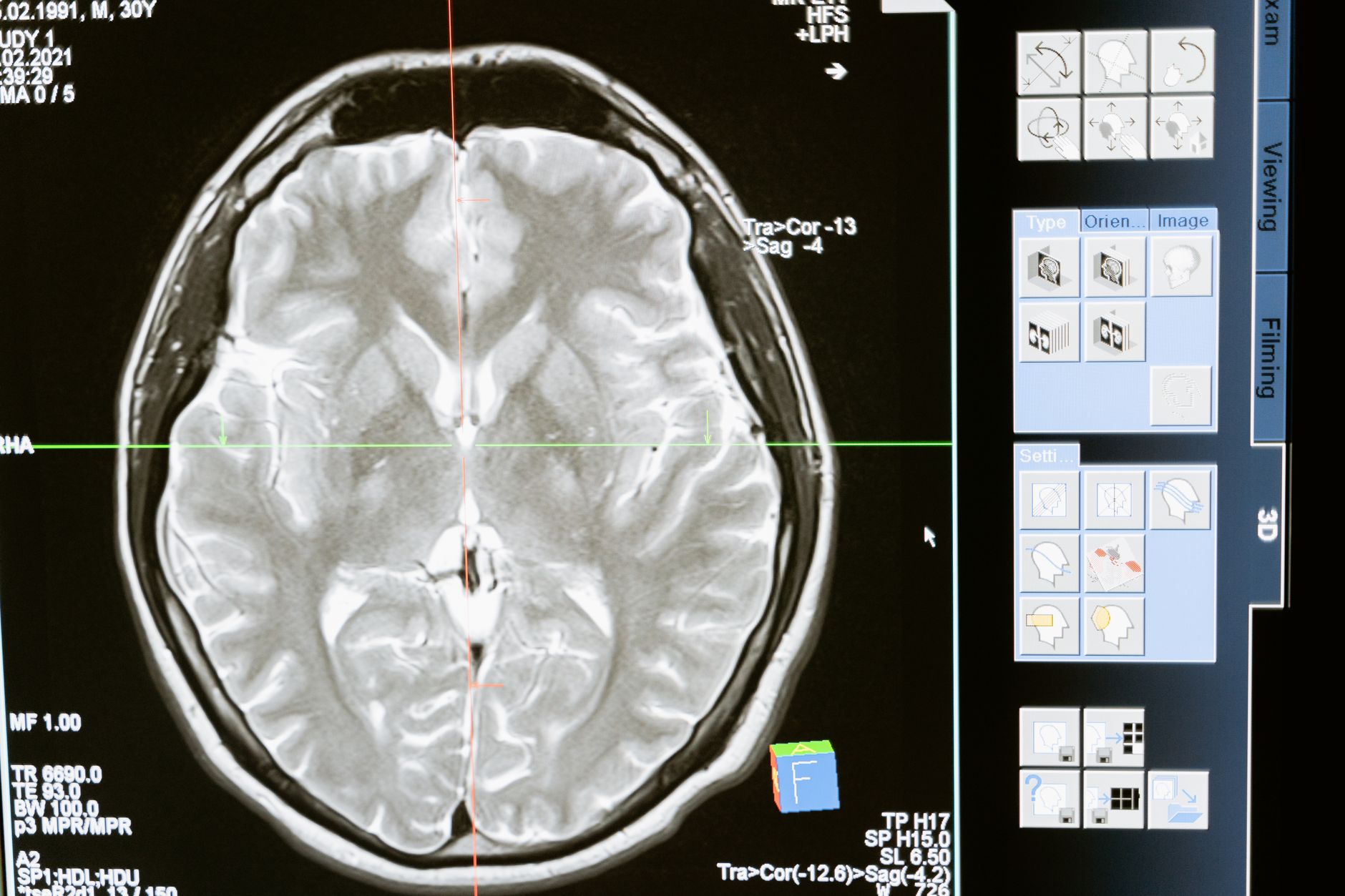
The 2026 Nobel Prize in Medicine has been awarded to three scientists whose research has cast a new light—quite literally—on the enigmatic workings of the human brain. Karl Deisseroth, Peter Hegemann, and Georg Nagel have been jointly honoured for their pioneering development of optogenetics, a technique that uses light to control and study brain cells.
Optogenetics, a term that might sound like science fiction, has become one of the most powerful tools in neuroscience. By inserting light-sensitive proteins into neurons, researchers can now activate or silence specific brain circuits with precision. This method, which has spread like wildfire through global laboratories, allows scientists to observe how different parts of the brain communicate, potentially leading to breakthroughs in understanding mental disorders, addiction, and more.
Revolutionary Discoveries
Deisseroth, an American neuroscientist at Stanford University, along with German colleagues Hegemann and Nagel, have fundamentally changed the way scientists examine neurological processes. Their work has enabled researchers to map the complex web of neuronal activity with a level of clarity that was previously unimaginable. This has opened doors to novel treatments for conditions that have long baffled the medical community.
As Professor Thomas Perlmann of the Nobel Assembly put it, "This method is now being used in laboratories around the world to reveal the brain's mysteries." The potential applications of optogenetics are vast, ranging from deciphering the neural basis of behaviour to developing targeted therapies for neurological conditions.
Implications for the Future
The implications of this award extend beyond the laureates' achievements. It underscores the importance of interdisciplinary research, blending biology, physics, and engineering to advance our understanding of the brain. In a world where mental health issues are increasingly prominent, these insights could not be more timely.
While the journey of understanding the brain is far from over, the work of Deisseroth, Hegemann, and Nagel marks a significant milestone. Their contributions not only illuminate the path forward but also inspire a new generation of scientists eager to unlock the secrets of the mind.