India and Saudi Arabia Forge Environmental Partnership
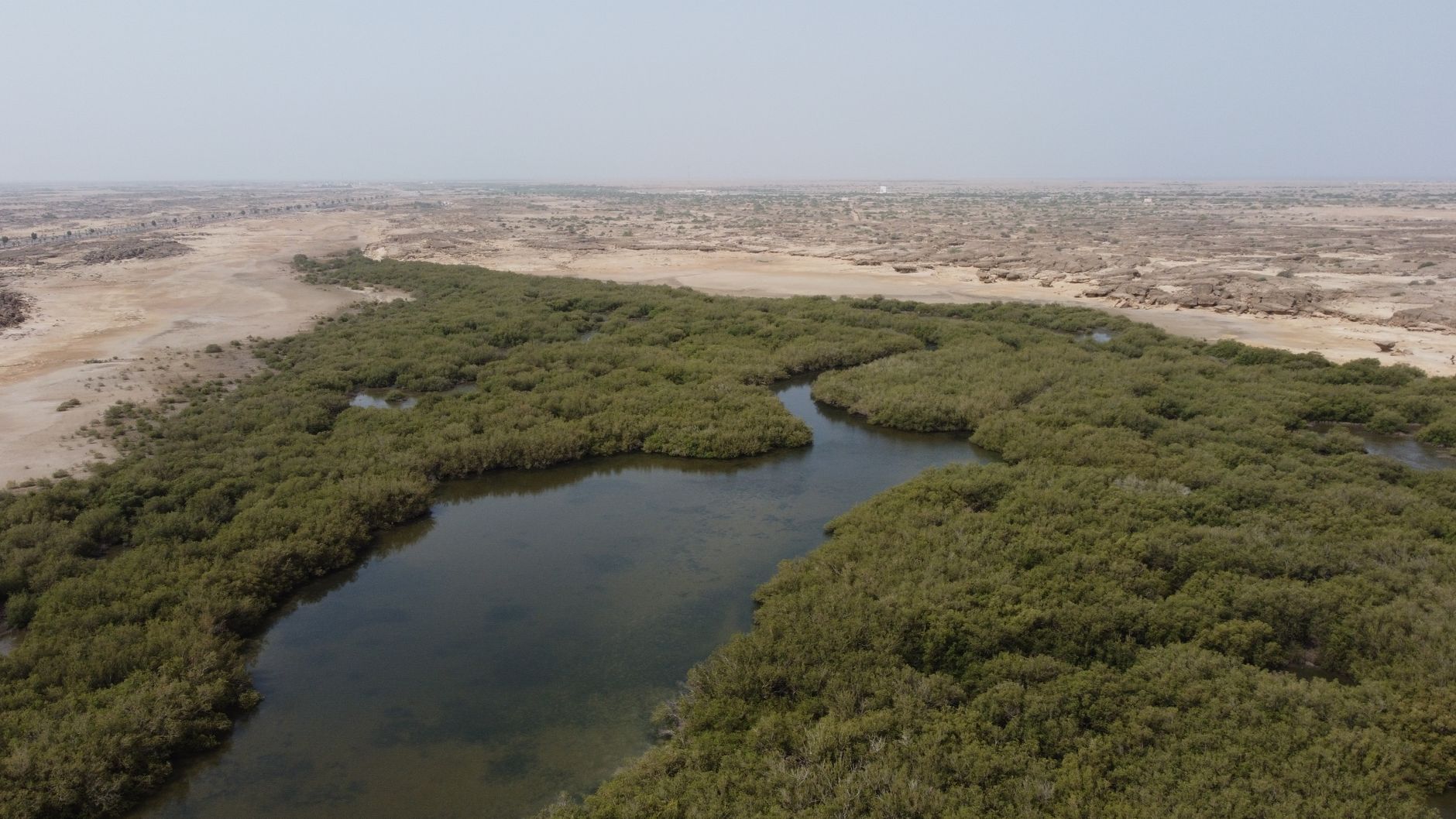
In the shimmering heat of Riyadh, where the modern skyline stands in stark contrast to ancient sands, a new chapter in international relations unfolded this week. India and Saudi Arabia have pledged to deepen their cooperation in tackling global environmental challenges. At the heart of these discussions was India's Minister of State for External Affairs & Environment, Forest and Climate Change, Kirti Vardhan Singh, whose visit signifies a burgeoning partnership between the two nations.
While diplomatic visits are often marked by ceremonial pomp, this encounter had a decidedly pragmatic focus. The conversations, held with Saudi officials, revolved around shared objectives in climate action—an area that requires urgent international collaboration. Singh, known for his proactive stance on environmental issues, emphasised the role of joint efforts in addressing climate change and fostering sustainability.
Saudi Arabia's own ambitions in environmental reform have been gaining momentum, particularly with its Vision 2030 programme, which aims to reduce the kingdom's reliance on oil. The discussions with India come at an opportune time, as both nations seek to transition to more sustainable energy sources and practices.
Shared Challenges, Shared Solutions
The dialogue between India's Singh and Saudi officials was not merely about policy exchange but a mutual recognition of the shared challenges posed by climate change. Both nations face the daunting task of balancing economic growth with environmental preservation. The arid landscapes of Saudi Arabia and India's diverse ecosystems each present unique challenges and opportunities for innovation in renewable energy and conservation strategies.
India's burgeoning technology sector and expertise in renewable energy offer potential avenues for collaboration. Meanwhile, Saudi Arabia's strategic location and energy resources could provide a complementary framework for joint initiatives. The ministers discussed several potential areas of cooperation, including technology transfer, capacity building, and joint research projects.
The Road Ahead
While the talks signal a promising start, the path to tangible outcomes requires sustained commitment. Both nations have expressed their willingness to engage in continuous dialogue and implement actionable steps to fulfil their environmental goals. The global climate crisis demands not only national efforts but also synergistic international partnerships like the one India and Saudi Arabia are now nurturing.
This partnership is a testament to the shifting dynamics of global diplomacy, where environmental stewardship is becoming a cornerstone of international relations. As the world watches, the outcomes of these discussions may well set a precedent for future bilateral engagements centred around the environment.