India Chooses Homegrown Tech for Mumbai-Ahmedabad Rail
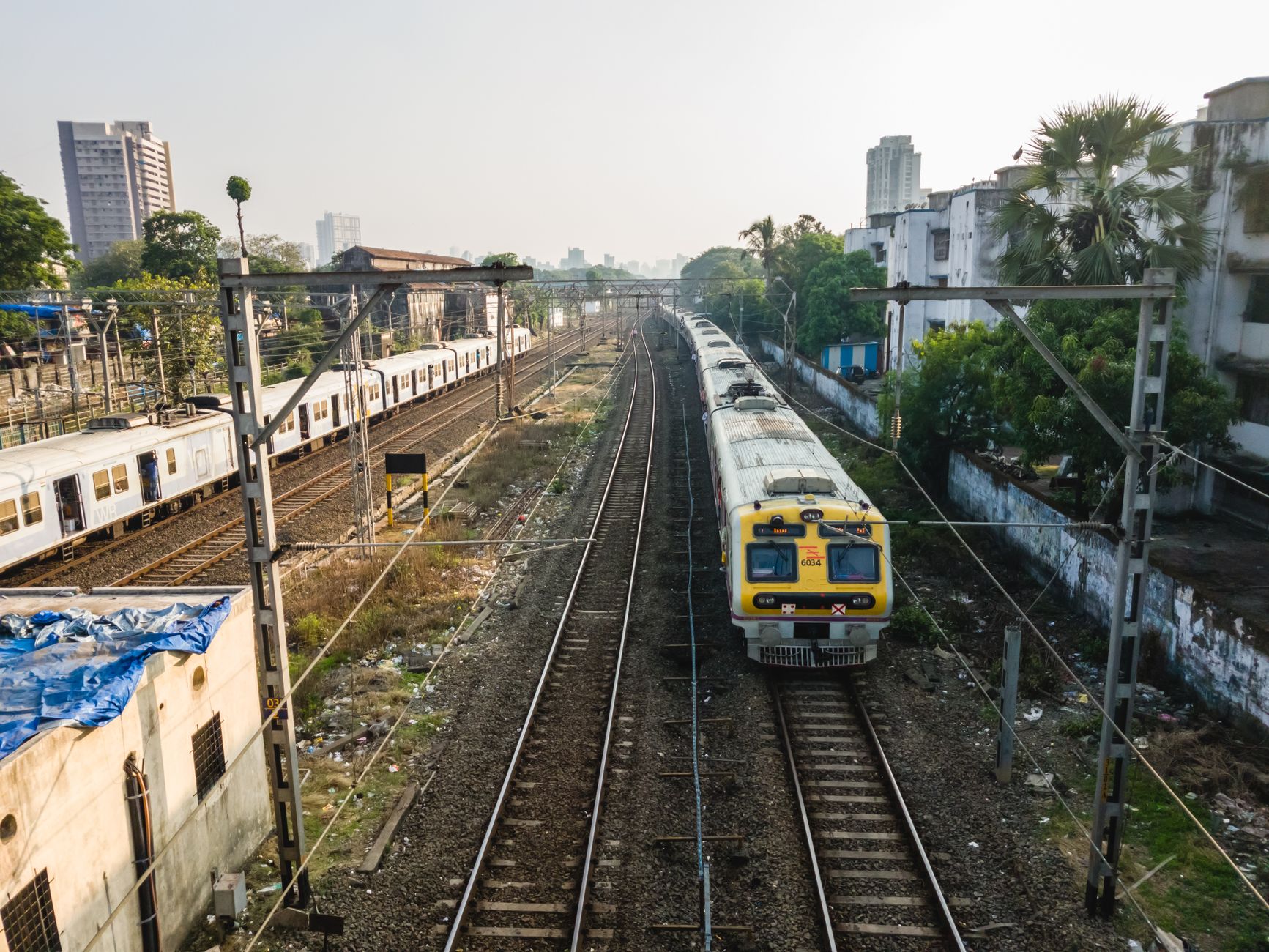
The din of the bustling city streets might soon be drowned by the whoosh of high-speed trains, but not with the help of Japan's famed Shinkansen technology. India has made a decisive pivot, opting to rely on homegrown technology for the Mumbai-Ahmedabad high-speed rail corridor, a move that marks a significant departure from earlier plans.
Sources close to the Indian government indicate that this decision not only underscores a drive for technological self-sufficiency but also signals a broader strategic shift. The corridor, stretching 508 kilometres and connecting two of India's most vibrant cities, was initially set to employ Japanese technology, including the E10 series of bullet trains, known for their speed and reliability.
However, the decision to favour indigenous solutions could have far-reaching implications. It reflects the Modi administration's 'Make in India' initiative, aimed at boosting local industries and reducing reliance on foreign technology. This strategic shift might also be viewed in the context of strengthening India’s domestic capabilities, potentially setting a precedent for future infrastructural endeavours.
Domestic Ambitions and Global Partnerships
India's choice to utilise its own high-speed trainsets and signalling technology is not purely inward-looking. By developing globally interoperable systems, India aims to position itself as a competitive player in the global rail technology market. This ambition aligns with the broader goals of economic self-reliance and innovation.
Though the decision might raise eyebrows, particularly in Japan, it is unlikely to strain the bilateral relationship significantly. The two nations have historically enjoyed robust ties, and this move could be seen as an opportunity to diversify and enhance technological collaborations.
Implications for the Future
The Mumbai-Ahmedabad project is not just a rail line; it is a testament to India's aspirations to transform its transportation infrastructure. With a focus on developing local technology, India is poised to emerge as a leader in high-speed rail innovation. As other nations watch closely, this project could set a benchmark for how emerging economies balance foreign assistance with domestic growth.
In the coming years, India's success in implementing this indigenous technology could redefine its railway landscape, offering lessons in self-reliance and innovation for other countries on similar paths.