India Embraces Local Technology for High-Speed Rail Ambitions
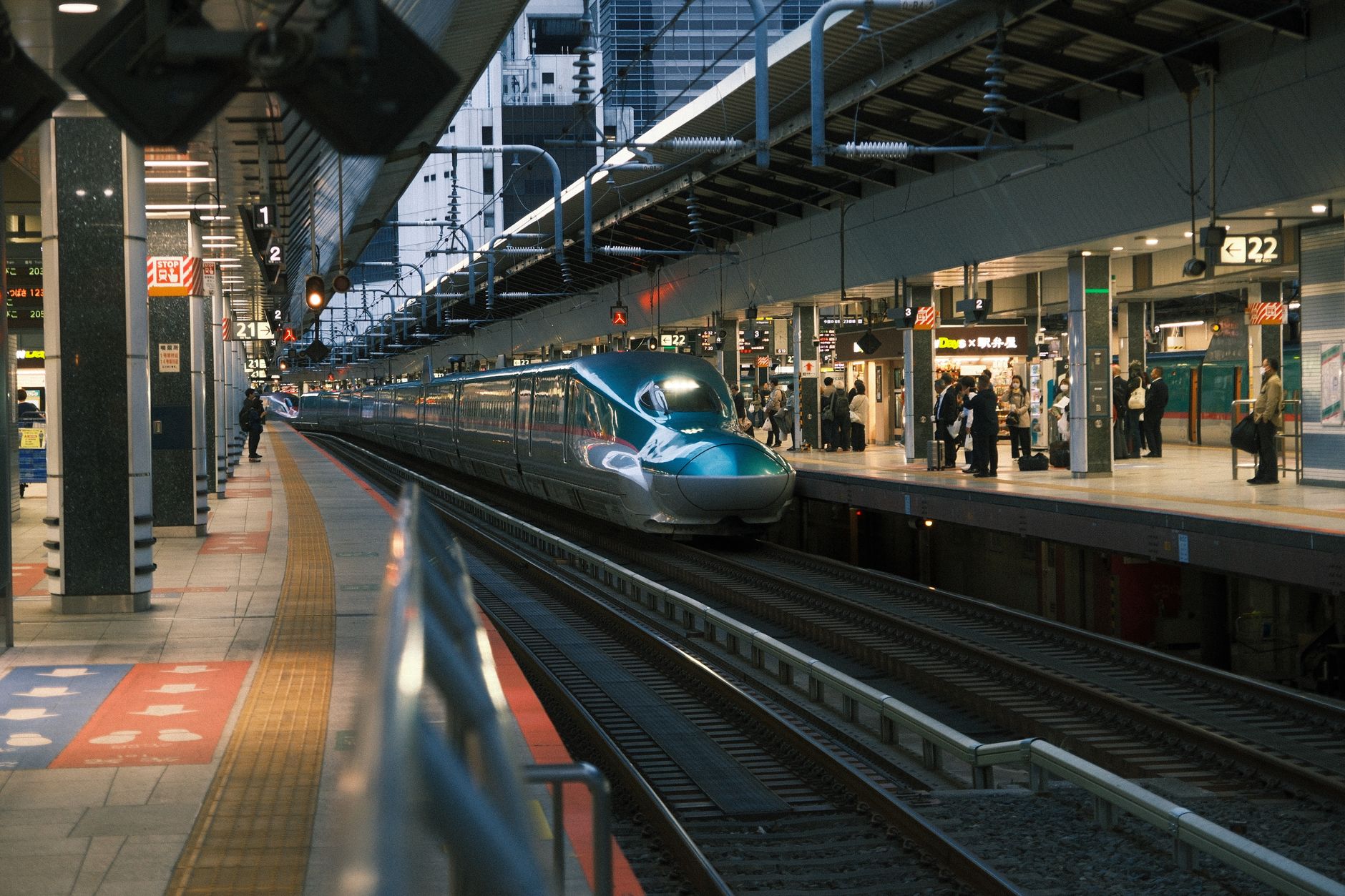
In a move that underscores India's growing commitment to technological self-reliance, the Mumbai-Ahmedabad high-speed rail project will heavily feature local technology. This decision dovetails with the 'Make in India' campaign, aiming to bolster domestic manufacturing capabilities while leveraging Japan's renowned Shinkansen technology.
The National High Speed Rail Corporation Limited (NHSRCL) has been spearheading this ambitious project, which seeks to revolutionise travel between two of India's major cities. With the first section from Surat to Bilimora scheduled to open by 15 August 2027, the full corridor is expected to be operational by 2029.
Local Innovations and Economic Impacts
The project's adoption of local high-speed technology is not merely a nod to nationalism but a strategic move to enhance economic growth. The technology transfer from Japan will empower Indian firms to manufacture cutting-edge components locally, reducing reliance on imports and fostering innovation.
Moreover, the implementation of the Full Span Launching Methodology (FSLM) technology signifies India's entry into a select group of countries with advanced construction capabilities. It is anticipated that this will lead to significant job creation and skill development in the engineering and technology sectors.
Challenges and Future Prospects
While the project has faced delays due to the COVID-19 pandemic, construction has been steadily progressing. The use of local technology and materials has mitigated some of the supply chain disruptions experienced globally. However, the scale and complexity of the project present ongoing challenges.
Upon completion, the Mumbai-Ahmedabad corridor will not only cut travel time drastically but also set a precedent for future high-speed rail projects in India. By investing in local technology, India is poised to not only enhance its infrastructure but also position itself as a leader in high-speed rail technology.