India Expands Access to Higher Education with PM Vidyalaxmi Scheme
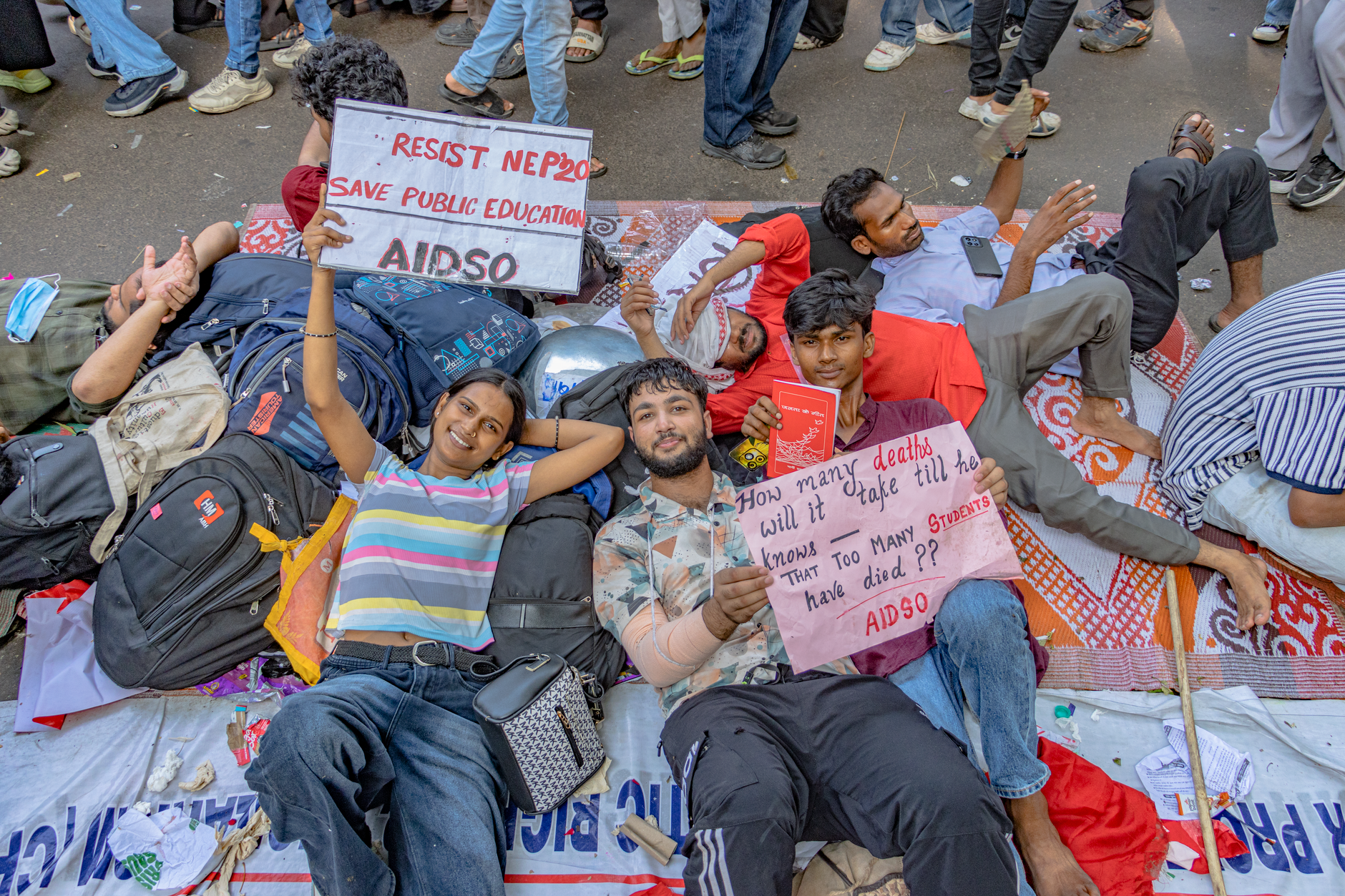
The Indian government's commitment to broadening the horizons of higher education took a significant step forward with the expansion of the Pradhan Mantri Vidyalaxmi Scheme. Initially launched in 2024, this initiative has been pivotal in providing financially constrained students the opportunity to pursue quality education without the burden of financial guarantees.
In a nation where education is often viewed as a passport to a better future, the scheme's expansion is a beacon of hope for many. By offering collateral-free and guarantor-free loans, it aims to dismantle the financial barriers that have long hindered students from underprivileged backgrounds. The scheme specifically caters to women, transgender students, and those from economically weaker sections (EWS), Scheduled Castes (SC), Scheduled Tribes (ST), Other Backward Classes (OBC), and Persons with Disabilities.
Aiming for Inclusivity
The PM Vidyalaxmi Scheme not only aligns with the National Education Policy (NEP) 2020 but also supports the United Nations' Sustainable Development Goal (SDG) 4, which advocates for inclusive and equitable quality education. The inclusion of marginalised groups in this initiative underscores the government's intent to create a more inclusive educational landscape.
Canara Bank, serving as the nodal bank, plays a crucial role in implementing this scheme. With its robust network, the bank ensures that the benefits reach right to the grassroots, thereby facilitating a wider reach.
Transforming Futures
The scheme is not merely about financial assistance; it represents a transformative potential for its beneficiaries. For many, it is a lifeline, enabling them to attend prestigious institutions that would otherwise be financially out of reach. This financial support is complemented by targeted interest subventions, further easing the burden on students.
As India continues to strive towards achieving educational equity, the PM Vidyalaxmi Scheme stands out as a landmark policy. By empowering students from diverse backgrounds, it not only addresses economic disparity but also catalyses social change, fostering a more educated and inclusive society.