Indian MP Challenges Surveillance at NEET Protests in Supreme Court
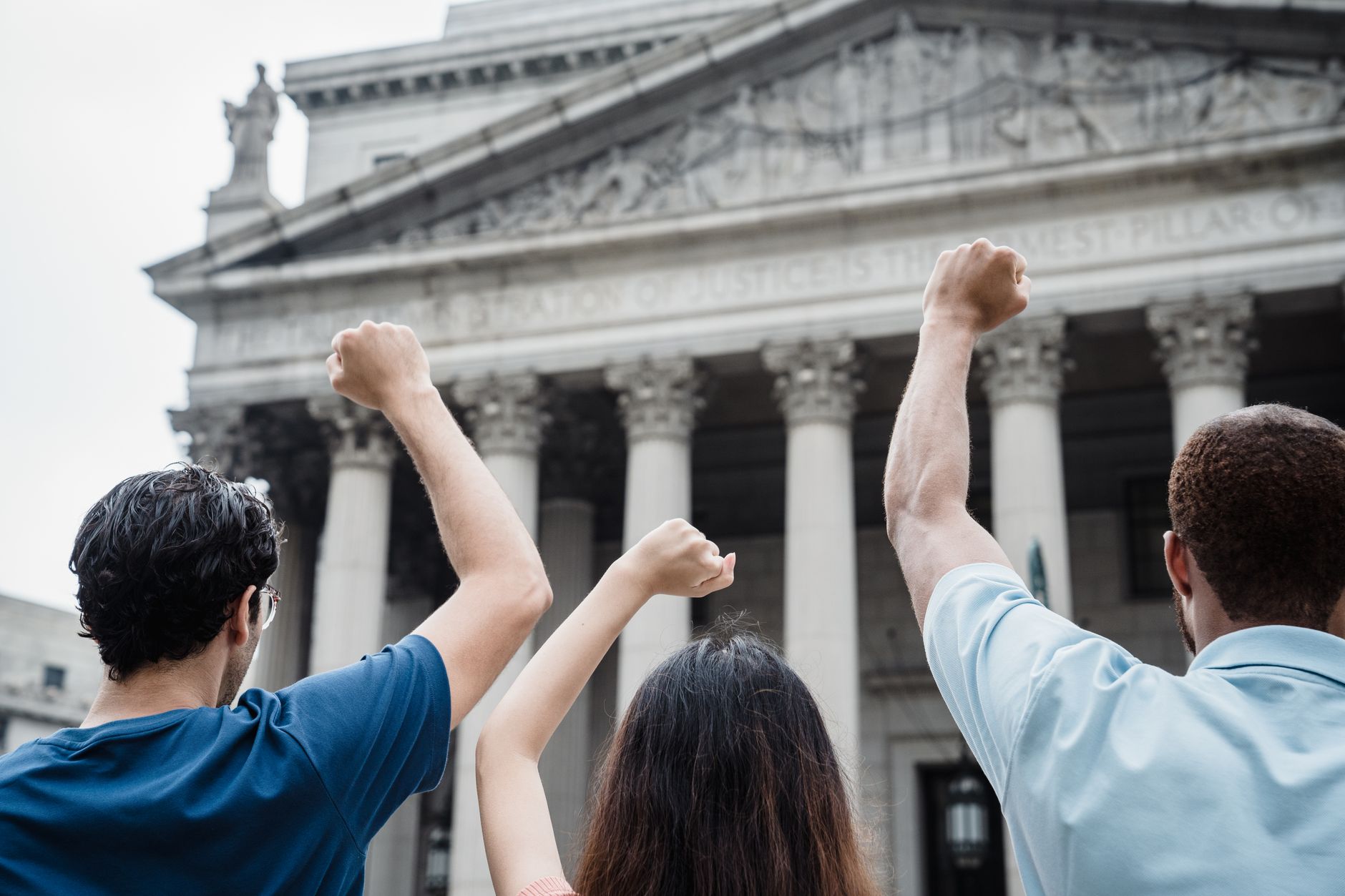
The bustling streets of New Delhi have once again become the backdrop for a legal drama that pits technological advancement against fundamental rights. On Tuesday, A.A. Rahim, a Member of Parliament from the Rajya Sabha, submitted a Public Interest Litigation (PIL) to the Supreme Court, challenging the Delhi Police's deployment of facial recognition technology (FRT) during NEET protests.
At the heart of Rahim's petition lies the assertion that such measures infringe upon the constitutional rights of privacy and freedom of expression. The use of FRT, he contends, constitutes an excessive form of surveillance that threatens to suffocate democratic dissent.
Constitutional Concerns
The petition, submitted under Article 32 of the Indian Constitution, argues that the use of FRT by law enforcement lacks a legal framework, thus posing a significant risk to civil liberties. Rahim, a member of the Communist Party of India (Marxist), is vocal about the dangers of unregulated surveillance and its chilling effect on public protest.
"The unchecked use of biometric surveillance not only violates individual privacy but also creates an environment where citizens are perpetually monitored," Rahim stated, emphasising the potential for abuse of such technology without stringent oversight.
A Broader Debate
This legal intervention is not merely about the NEET protests but part of a broader debate on digital privacy in India. As technology becomes more pervasive, the lines between security and surveillance blur, raising questions about the ethical implications of such tools. Critics argue that without clear regulations, technologies like FRT could become instruments of state control, stifling dissent and infringing on personal freedoms.
India, a nation of over 1.4 billion people, is at a crossroads in its digital journey. The balance between harnessing technology for progress and safeguarding individual rights is delicate, and the outcome of this case could set a precedent for how the country navigates this complex terrain.
As the Supreme Court prepares to deliberate on the matter, all eyes are on the judiciary to provide clarity on the permissible limits of technology in policing and protest. The decision could have far-reaching implications, not only for those directly involved in NEET protests but for the broader landscape of civil liberties in India.