Indian Youth Triumph as Exam Reforms Follow Minister's Exit
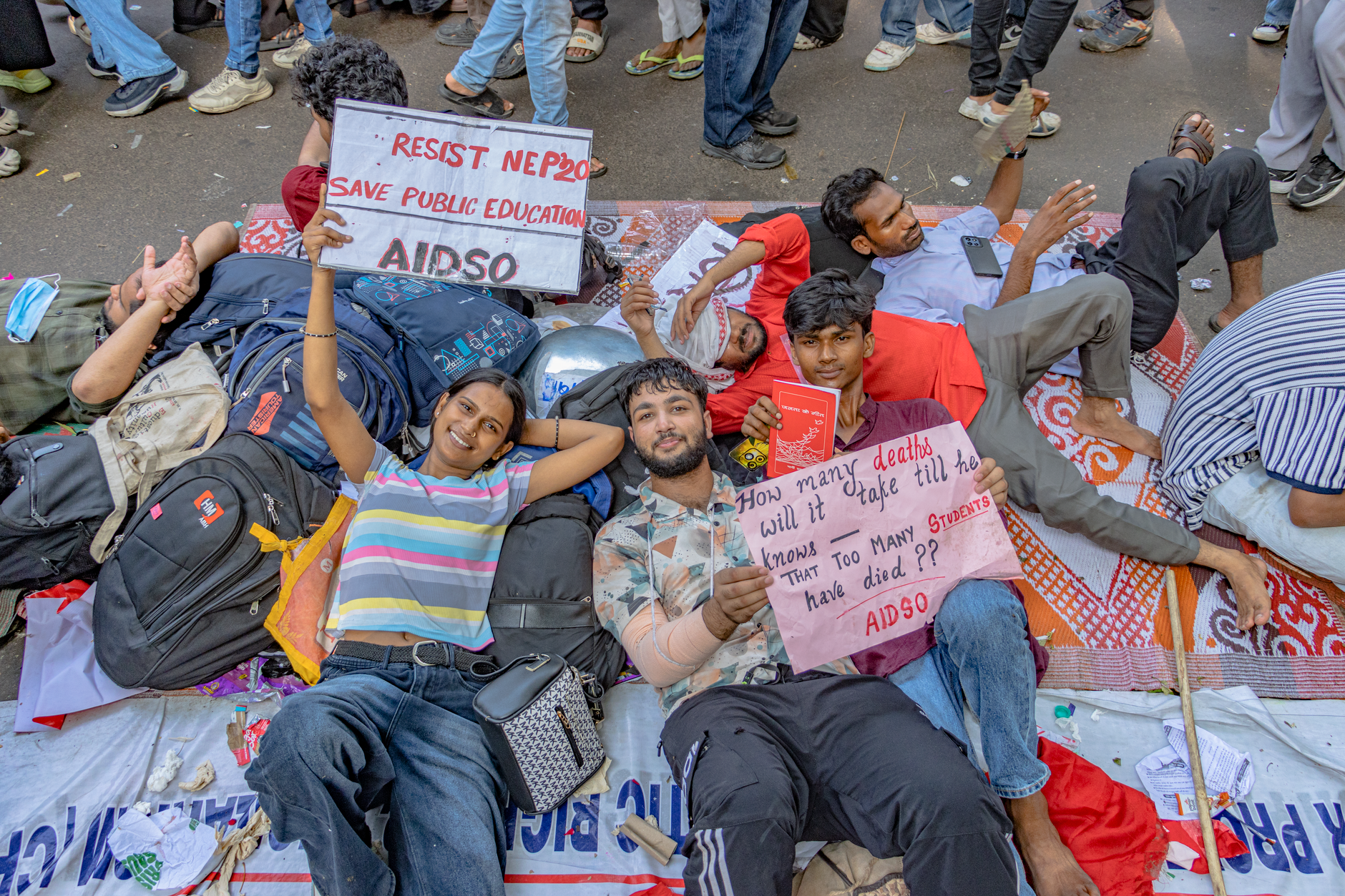
In a striking turn of events, India's youth have achieved a significant victory with their relentless protests prompting the resignation of the country's education minister and the introduction of a bill to reform public examination laws. Dubbed the 'Cockroach Movement', this grassroots campaign has captured national attention and forced policymakers to heed the demands of a younger, restless demographic.
The resignation of the education minister, who stepped down amid mounting pressure last Saturday, signals a rare concession from the government, which has generally maintained a firm stance against public dissent since taking power in 2014. The protests, which spread across major cities, were fuelled by grievances over exam inconsistencies, frequent leaks, and allegations of corruption within the educational system.
Youthful Persistence and Political Response
The bill introduced in Parliament aims to tighten security measures and improve transparency in the examination process. It reflects a growing acknowledgment of the systemic issues plaguing India’s educational infrastructure. For the government, this move is as much about appeasing the youth as it is about regaining control over a narrative that was quickly slipping away.
Many young Indians feel that their futures are precariously tied to the whims of an outdated and often unfair examination system. The 'Cockroach Movement'—named for its resilience—embodies their frustration and desire for change. As one protester put it, "We are not pests but fighters for our future."
A New Chapter for Education?
While the reforms have been welcomed, scepticism remains. Critics argue that legislative changes alone may not suffice without a cultural shift within educational institutions. The focus, they suggest, should be on holistic changes that also address issues like curriculum relevance and teacher accountability.
Nonetheless, this episode marks a significant moment for youth activism in India, demonstrating their power to influence national policy. It remains to be seen how these changes will impact the broader educational landscape, but one thing is clear: the voices of India's youth can no longer be ignored.