India's Automotive Revolution Faces MSME Hurdles
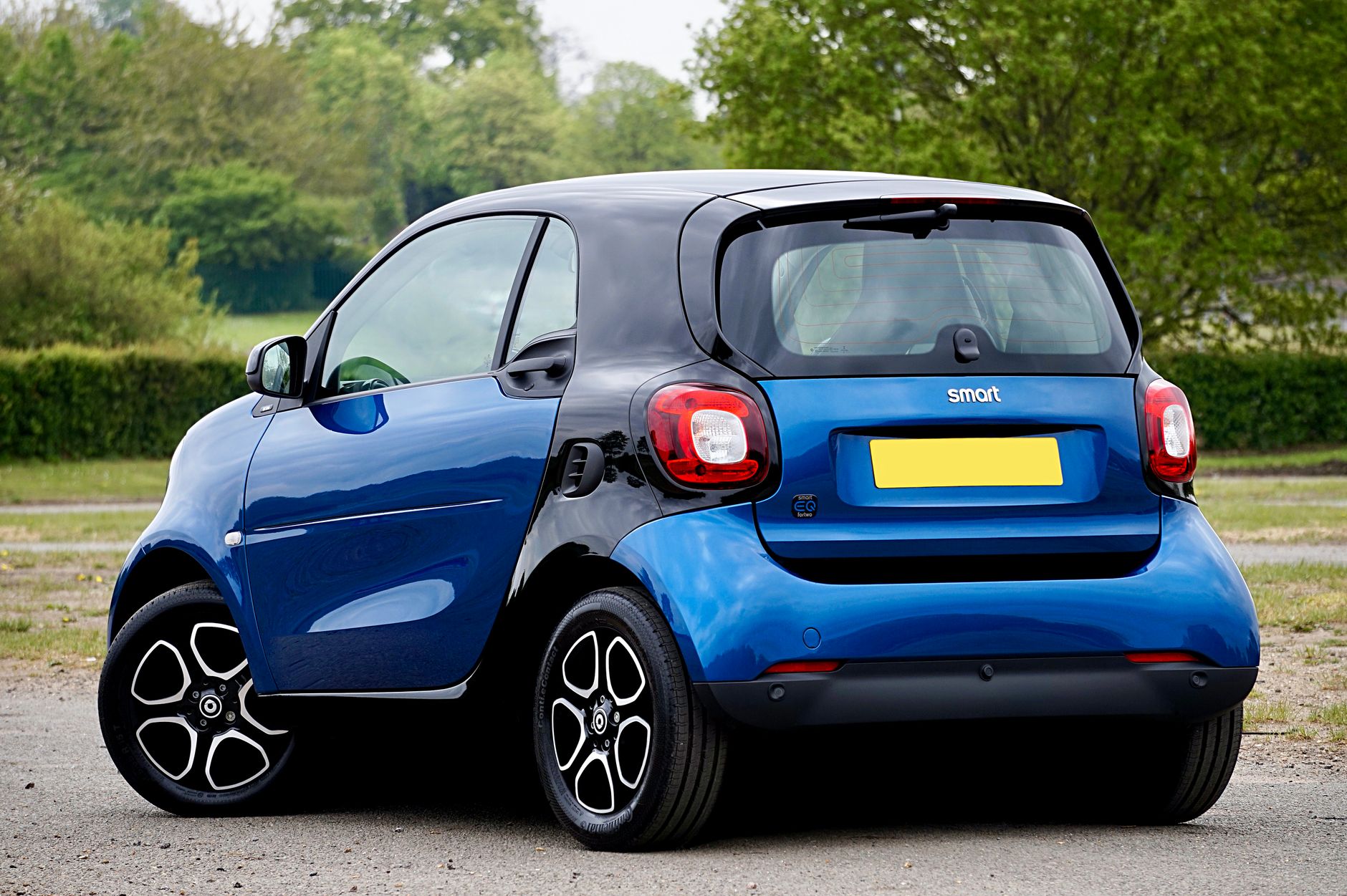
In the bustling lanes of India's industrial landscape, a quiet crisis is brewing. While the world gears up for a low-carbon future, a recent study has indicated that India's micro, small, and medium enterprises (MSMEs) might not be ready for the technological demands of the automotive sector's impending shift.
The study highlights a worrying capability gap among these MSME suppliers, which are crucial cogs in the machinery of India’s economic engine. As the global automotive industry pivots towards electric and hybrid vehicles, the need for advanced technology becomes paramount. However, many MSMEs are struggling to keep pace with these rapid advancements.
This capability gap is not just a technical challenge but a broader economic concern. MSMEs contribute significantly to employment and GDP, and any lag in their technological evolution could have ripple effects across the economy. The Ministry of Micro, Small and Medium Enterprises has been instrumental in supporting these enterprises, yet the pace of innovation remains a concern.
Challenges and Opportunities
India’s automotive sector is at a crossroads. The drive towards low-carbon vehicles presents both a challenge and an opportunity. For MSMEs, this transition could mean the need for substantial investments in new technologies and skills. Yet, the very nature of these enterprises — often operating on tight margins and limited resources — poses a significant hurdle.
Moreover, the role of women in this transition cannot be overstated. As the sector evolves, there is a golden opportunity to empower women through targeted skill development programmes and equitable career pathways. Such initiatives could address both gender disparity and the technological gap simultaneously.
The Path Forward
To ensure that MSMEs remain integral to the automotive sector's future, a concerted effort is required. Policy support, financial incentives, and robust training programmes could bridge the existing gaps. Furthermore, collaboration between the government, industry leaders, and MSMEs will be essential to align goals and resources effectively.
As India aims to position itself as a leader in the global automotive market, addressing these challenges head-on will not only secure the future of its MSMEs but also pave the way for a more sustainable and inclusive economic model.