India's Concrete Jungle: An Overlooked Climate Culprit
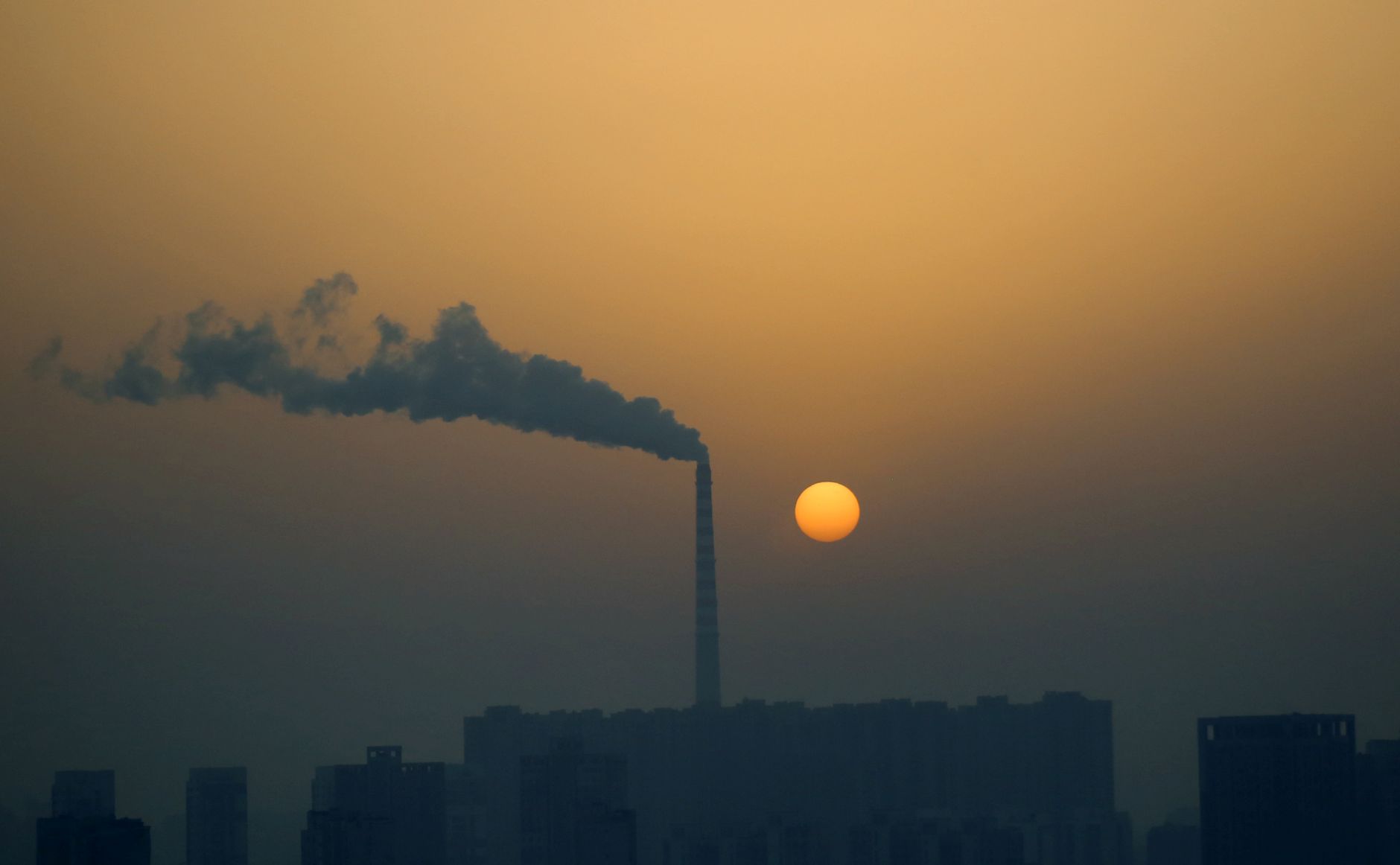
As the sun sets over India's sprawling cities, the silhouettes of concrete high-rises punctuate the horizon. These modern marvels stand as a testament to the nation's rapid urbanisation, yet they also serve as a stark reminder of an inconvenient truth: concrete is a voracious contributor to carbon emissions.
Concrete, the backbone of urban development, is responsible for significant carbon dioxide emissions. The process of cement production alone accounts for approximately 8% of global CO2 emissions. In India, a nation where construction is booming, this figure looms large over its environmental commitments.
The Global Carbon Project's 2024 report projects a 4.6% increase in India's carbon emissions, underscoring the urgency of addressing this often-overlooked sector. While the power, transport, and food sectors are frequently cited in climate discussions, construction's impact is frequently sidelined.
Building the Future
The demand for housing and infrastructure in India shows no signs of abating. As millions migrate to cities in search of better opportunities, the need for high-rise buildings and extensive infrastructure grows exponentially. This urban sprawl, while economically beneficial, presents a formidable environmental challenge.
India's construction industry must navigate a delicate balance between meeting developmental needs and reducing its carbon footprint. Innovations in sustainable building materials and practices are crucial, yet adoption remains sluggish.
A Path Forward
To mitigate the environmental impact, India must prioritise the development and use of low-carbon alternatives. Policies encouraging green construction, coupled with incentives for sustainable practices, could steer the industry towards a more environmentally friendly future.
As the world grapples with climate change, India's concrete jungle must not remain a blindspot. Addressing the emissions from this sector is not merely an option but an imperative for sustainable growth.