India's Defence Industry to Benefit from DRDO Tech Transfer
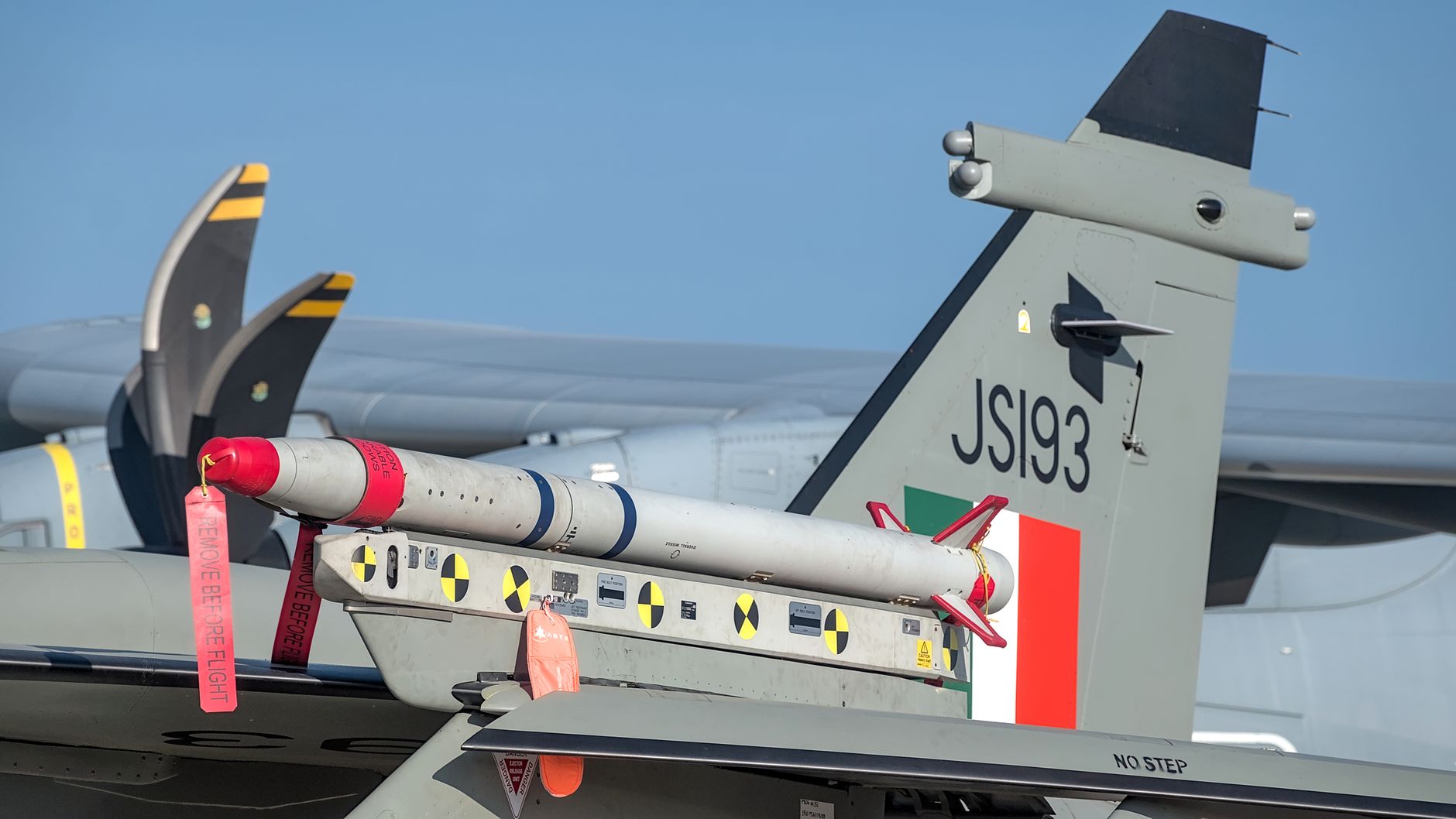
In a noteworthy development for India's defence sector, the government has taken a decisive step to empower domestic manufacturers with cutting-edge missile technologies. Defence Minister Rajnath Singh's recent approval allows Indian companies, including micro, small and medium enterprises (MSMEs), to access and produce conventional missile systems originally developed by the Defence Research and Development Organisation (DRDO). The implications of this move are vast and multifaceted.
Traditionally, India's defence production has been heavily reliant on public sector units and imports, a dependency that often left gaps in strategic autonomy. By opening the door to DRDO's technological advancements, the government aims to invigorate the domestic defence industry, enabling it to scale up production and innovate from within. This initiative not only promises to enhance India's self-reliance in defence manufacturing but also aligns with the broader 'Make in India' campaign, which seeks to transform the nation into a global manufacturing hub.
Empowering the Private Sector
The transfer of technology is poised to energise the private sector, particularly the burgeoning MSME segment, which often struggles with limited access to advanced technologies. With the government's backing, these enterprises can now potentially compete in a market previously dominated by larger public sector entities. The ripple effect of such empowerment could lead to increased job creation, skill development, and a robust supply chain that supports the broader economy.
However, the transition will not be without its challenges. Companies must navigate a labyrinth of qualifications, certifications, and regulatory requirements to fully capitalise on this opportunity. The government's commitment to streamline these processes will be crucial in ensuring that the initiative's potential is fully realised.
Strategic Implications
This policy shift also carries significant strategic implications. By fostering a strong domestic defence manufacturing base, India aims to reduce its dependence on foreign suppliers, thus enhancing its strategic autonomy. In the increasingly complex geopolitical landscape, having control over critical military technologies is paramount.
In conclusion, the transfer of DRDO's missile technologies to private firms marks a pivotal moment for India's defence sector. It embodies a strategic vision that not only seeks to bolster national security but also catalyses economic growth and technological innovation. As these companies rise to the challenge, the coming years will be crucial in determining how effectively India can leverage this opportunity to rewrite its defence narrative.