India's Education Boom: Colleges Abound, Access Lags in Key States
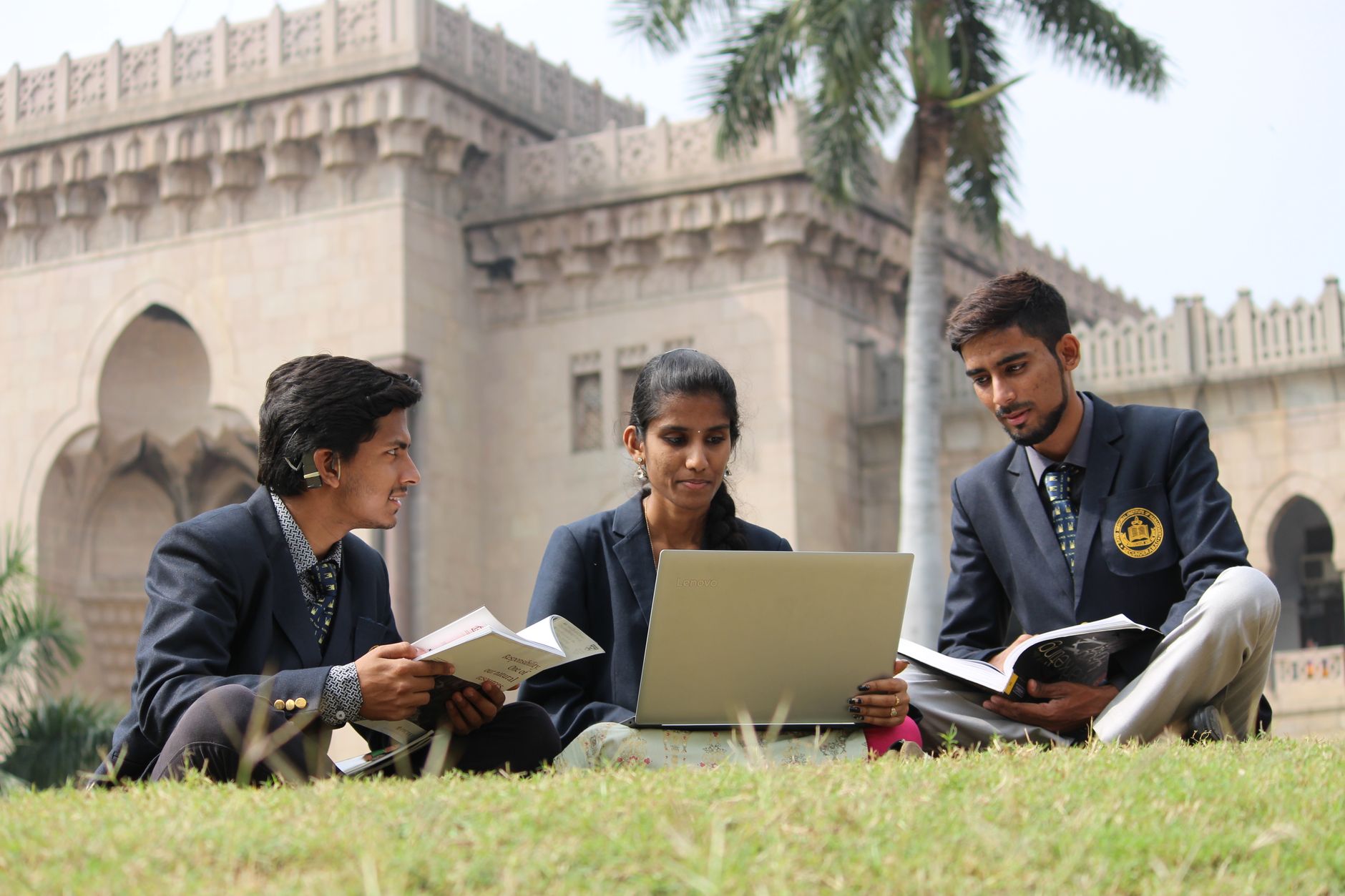
As the sun rises over India, the landscape is dotted with thousands of new colleges, a testament to the nation's dedication to expanding higher education. In the past two decades, India has added a staggering 34,840 higher education institutions. This monumental expansion paints a picture of progress but also reveals a stark reality: many states with burgeoning youth populations still grapple with significant gaps in access.
Consider the states of Uttar Pradesh and Bihar, where the youth demographic is swelling at an unprecedented rate. Despite the proliferation of new colleges, these states continue to lag behind in terms of educational infrastructure. The disparity raises questions about the equitable distribution of resources and the quality of education provided to the next generation.
While on paper, the numbers might suggest a success story, the ground reality tells a different tale. The mere presence of colleges does not equate to access. Many institutions are located in urban centres, leaving rural and semi-urban areas underserved. Moreover, issues such as outdated curricula, insufficient faculty, and inadequate facilities hinder the educational experience.
The Quality Conundrum
Quality remains a significant concern. While elite institutions like the Indian Institutes of Technology and the Indian Institutes of Management continue to make headlines in global rankings, a vast number of colleges struggle with basic quality benchmarks. The Times Higher Education World University Rankings of 2027 highlights this divide, placing only a handful of Indian institutions among the top globally.
Addressing these challenges requires a multi-faceted approach. Policymakers must focus on improving infrastructure, training faculty, and updating curricula to reflect contemporary needs. Additionally, increasing investment in rural education can bridge the gap, ensuring that students in less developed regions have equal opportunities.
The Road Ahead
India's education sector stands at a crossroads. The focus must shift from mere quantity to quality and accessibility. As the government continues its push towards becoming a knowledge superpower, it must address these gaps to ensure that all students, regardless of their location, have access to quality higher education. Only then can the true potential of India's youth be unlocked.