India's Environmental Ranking Sparks Methodology Debate

India's dismal performance in the latest Environmental Performance Index (EPI), where it ranked second lowest globally, has sparked a fierce debate over the methodology used to compile the rankings. This news has not only raised alarm bells among policymakers but also ignited a broader conversation about the very framework that underpins such global assessments.
The EPI, developed by Yale University, aims to quantify the environmental performance of countries worldwide. India’s position, perched precariously near the bottom, is being seen as a wake-up call for a nation grappling with severe pollution and biodiversity challenges. However, the methodology employed by the EPI has come under scrutiny. Critics argue that the index overly emphasises certain metrics that may not adequately reflect the complex environmental realities faced by developing countries.
Methodology Under the Microscope
At the heart of the criticism lies the methodology's perceived bias towards wealthier nations. The correlation between EPI scores and GDP per capita has led some to question whether the index fairly accounts for the efforts made by less affluent nations like India. While wealthier nations may have more resources to commit to environmental initiatives, developing countries often face the dual challenge of fostering economic growth while managing environmental sustainability.
Experts point out that India's unique challenges, such as its reliance on agriculture, burgeoning population, and rapid urbanisation, require a more nuanced approach. They argue that a one-size-fits-all methodology does not adequately capture the efforts of nations that are striving to balance growth with ecological preservation.
A Call to Action
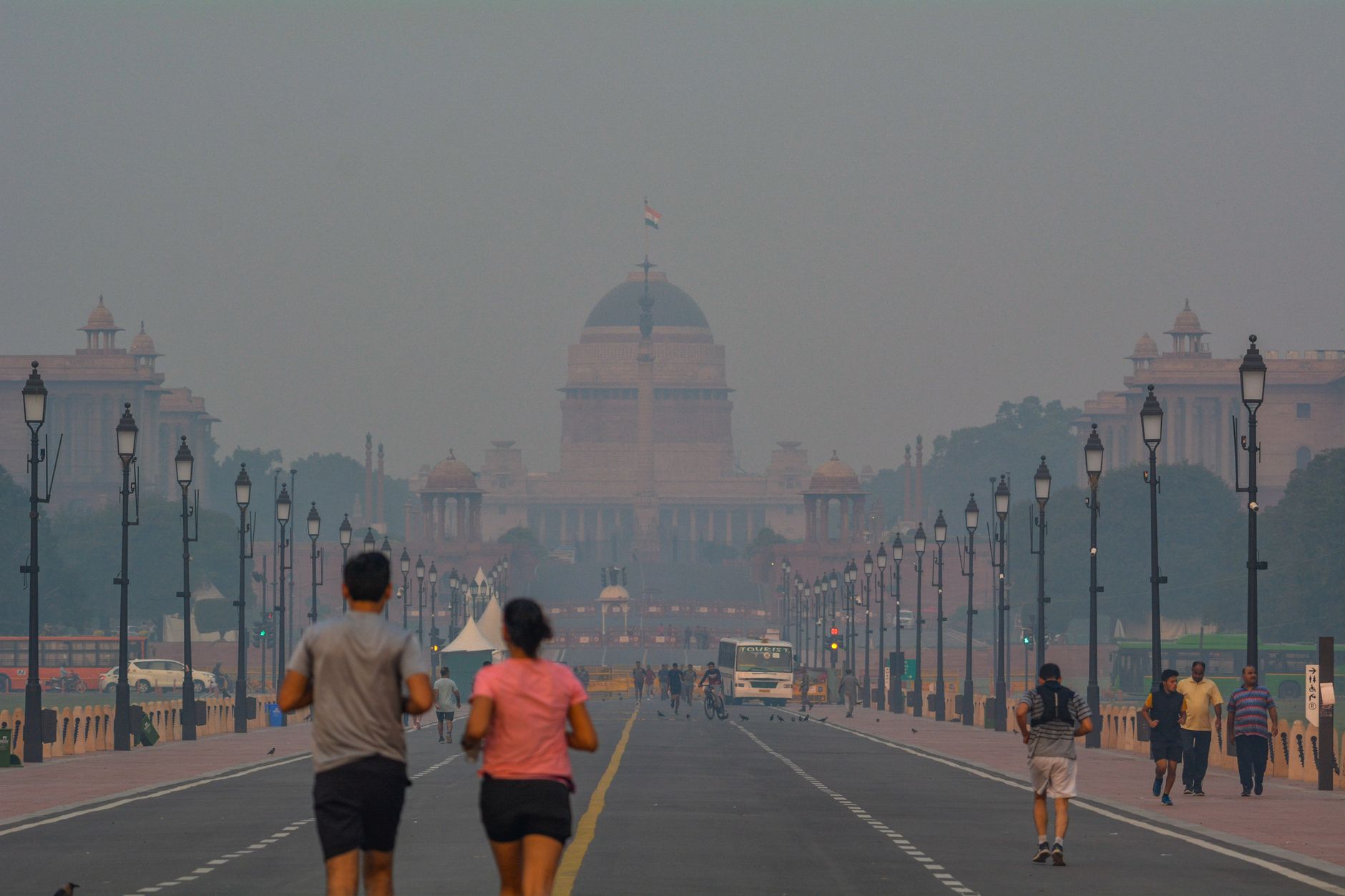
Despite the methodological concerns, the report serves as a stark reminder of the urgent need for environmental reform in India. With air quality in cities like Delhi reaching hazardous levels and biodiversity under threat, experts and policymakers alike emphasise the necessity of a more comprehensive and locally tailored approach to environmental policy.
While India contemplates these findings, the broader debate over how global environmental indices are constructed is likely to continue. As nations around the world face the mounting pressures of climate change, the need for fair, accurate, and constructive assessments becomes ever more critical. Only then can such indices serve not merely as a scorecard but as a genuine catalyst for global environmental progress.