India's Gen Alpha Challenges Education Norms Seeking Major Reforms
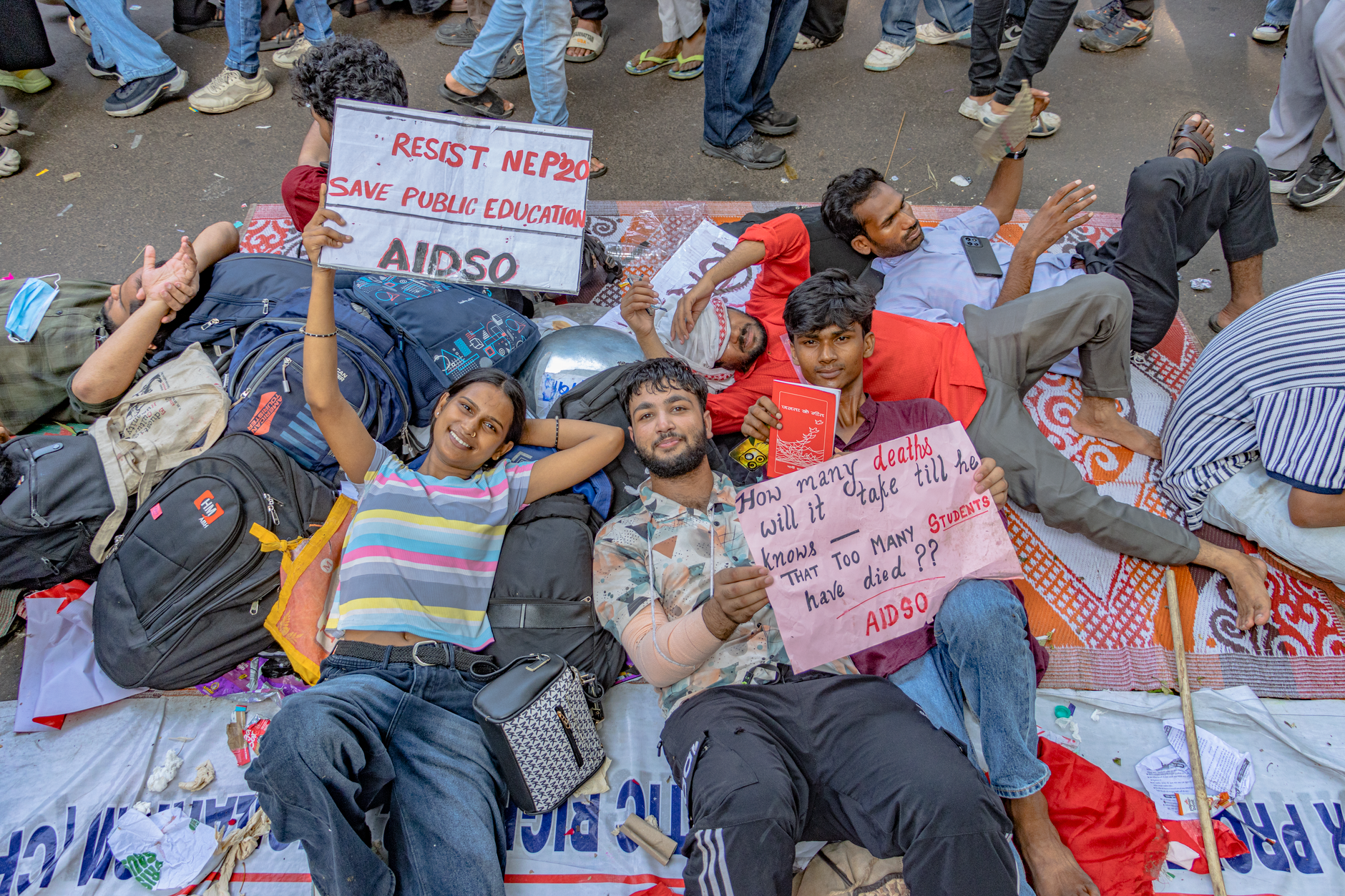
On a sweltering August day, while India marked its Independence Day with traditional fanfare, a new generation quietly signalled their intent to reshape the country's educational fabric. Gen Alpha, the children born from the mid-2010s onwards, are beginning to cast a long shadow, demanding reforms that have eluded their predecessors.
While their age might suggest innocence, their concerns are anything but naive. Backed by the older Gen Z, who have already shown their mettle in various protests, Gen Alpha is championing causes such as the 'School Thik Karo' initiative. Launched by the Citizens for Justice and Peace (CJP), this grassroots movement aims to address systemic failures in the education sector.
Gen Z's own protests, notably against contentious policies like the National Education Policy 2020, have set a precedent. Their digital savvy and adept use of humour in protests have made significant waves. The call for the resignation of Union Education Minister, Dharmendra Pradhan, for his perceived failures, echoes the broader sentiment of disillusionment with current educational governance.
Supported by Experience, Driven by Youth
Gen Alpha's demands are not without merit. With the backing of the Students’ Federation of India (SFI), their efforts to disband the National Testing Agency and push for a more equitable education system are gaining traction. The SFI's involvement underscores the continuity of student activism in India, which has historically been a potent force for change.
These young activists argue that the current system is outdated, overly reliant on rote learning, and fails to equip students for the challenges of the 21st century. They are advocating for a paradigm shift towards a more holistic and inclusive educational framework.
A New Dawn or More of the Same?
Yet, the path to reform is fraught with challenges. The Indian education system is a sprawling bureaucracy, resistant to swift changes. However, the growing momentum behind these demands suggests that ignoring them could be perilous for policymakers.
As Gen Alpha rises, inspired by the resilience of Gen Z, India's educational landscape stands on the brink of potential transformation. Whether this leads to concrete change or fades into another unheeded call remains to be seen, but one thing is certain: the youth are no longer content to be silent bystanders in their educational destiny.