India's Gen Alpha: The New Vanguard in Education Reform
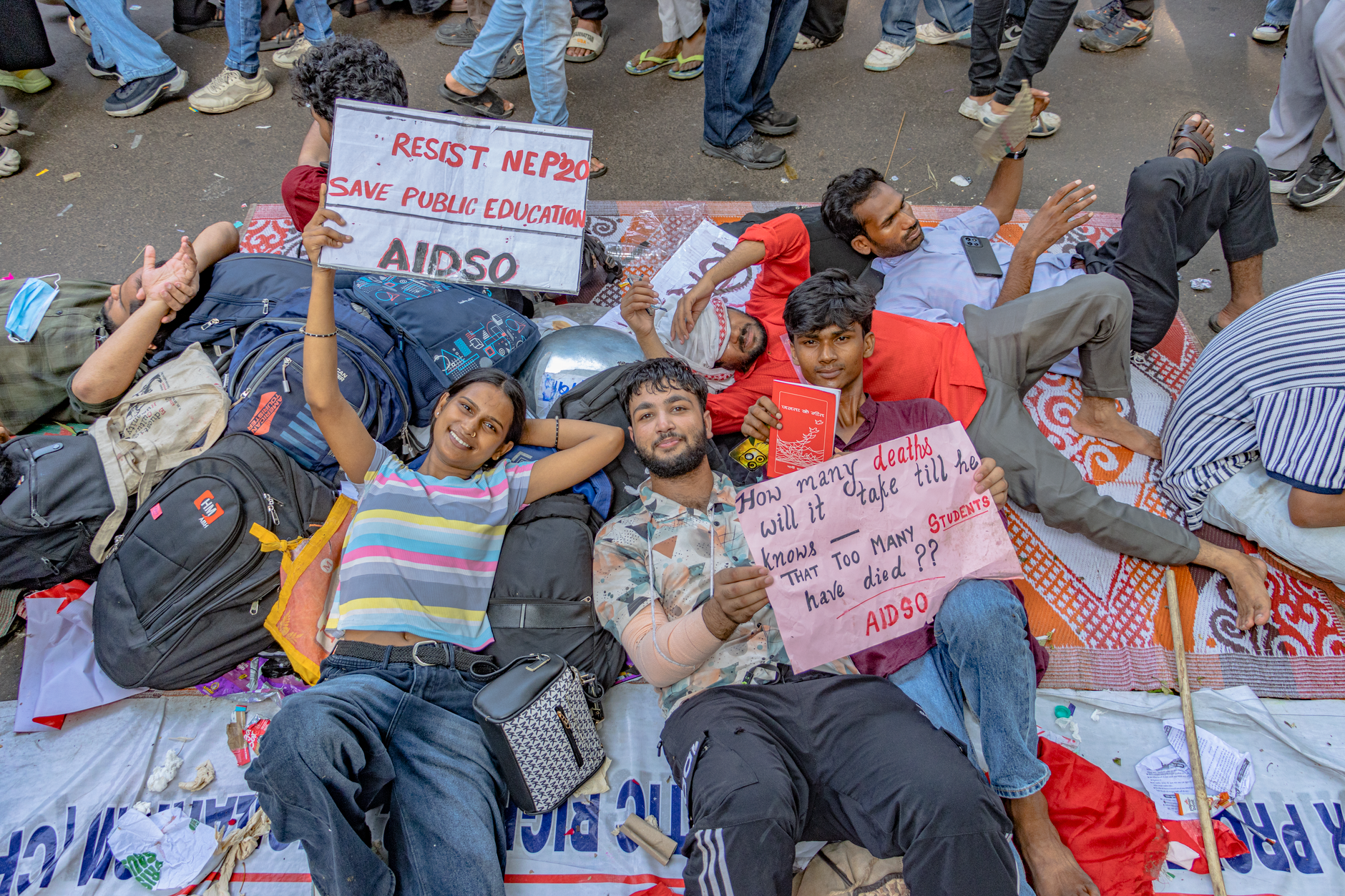
In the cacophony of New Delhi's Jantar Mantar, where voices often rise in unison, a new chorus has emerged. Not from seasoned activists or political veterans, but from the youngest cohort yet — Gen Alpha. These students, born between 2010 and 2024, have taken to the streets with a singular demand: transform India's education system.
Their grievances are not mere echoes of their predecessors, Gen Z, who have also been vocal about societal changes. Gen Alpha's focus is profoundly local, zeroing in on the nitty-gritty of daily school life. From functional toilets to reliable ceiling fans, they seek improvements that impact their immediate learning environments.
A New Wave of Activism
The movement has gained momentum with striking speed. In recent months, throngs of students have marched through cities across India, their placards demanding a curriculum that prepares them for the future, not the past. It’s a call for an educational reform that acknowledges the rapidly evolving world, integrating technology and critical thinking into classrooms.
One cannot help but admire the audacity. Here are children who, instead of waiting for adults to act, have taken the initiative. Their demands are simple yet profound: better teachers, safer classrooms, and basic amenities that should be a given in any modern education system. It’s a reminder of how the youngest voices can often bring the most clarity.
Implications Beyond the Classroom
This newfound activism is not without its implications. It challenges policymakers to rethink education not just as a means to an end but as a cornerstone of a progressive society. As these young advocates continue to make headlines, the pressure mounts on state and central governments to respond with tangible reforms.
In the broader context, Gen Alpha's activism reflects a shift in youth-led movements. No longer content with broad slogans, they demand specific, actionable changes. Their efforts may well set a precedent for future generations, proving that age is no barrier to advocacy.
The question remains: will the powers that be listen? If history is any guide, they might do well to heed the call. For Gen Alpha is not just asking for change; they are insisting upon it, and in doing so, they are reshaping the narrative of youth activism in India.